
Approach to design
What does it even mean?
delightful
seamless
pleasing
inspiring
crisp
engaging
intuitive
crafted
satisfying
I apply these approaches in design
Usable by everyone
Accessibility solves real-world usability problems everyone faces - small screens, glare, forgotten glasses - not just specific user groups.
Helps you even if it's not a goal
Business needs may lead, but there’s always room to make life easier for users.
Self-explaining
If you can predict users’ questions about what will happen, you have to design the answers. They are trying to solve their task, not a design puzzle.
Invisible
Remember how you pay attention when a kitchen knife or supermarket cart had flaws? But you probably didn't pause to admire a good-designed checkout process in online shop. So: when nothing trips you up, you simply don’t see it.
Quick to navigate
The main goal of almost any product is to take users from point A (task arises) to point B (task solved). If they can do, go, open, create, or send in 2 clicks/seconds, don’t make it 10.
Based on real-life experience
Imagine going to the post office, filling out a long form, bringing it to the counter, and then someone yells at you that you did something wrong: ‘What’s wrong? - Check it yourself!’ So why should you like a dozen red error fields in your reporting tool or a disabled button with no explanation?
Processes
Speaking of the design process, it follows a largely classic approach, with several adaptations for B2B and enterprise contexts.
Show design process
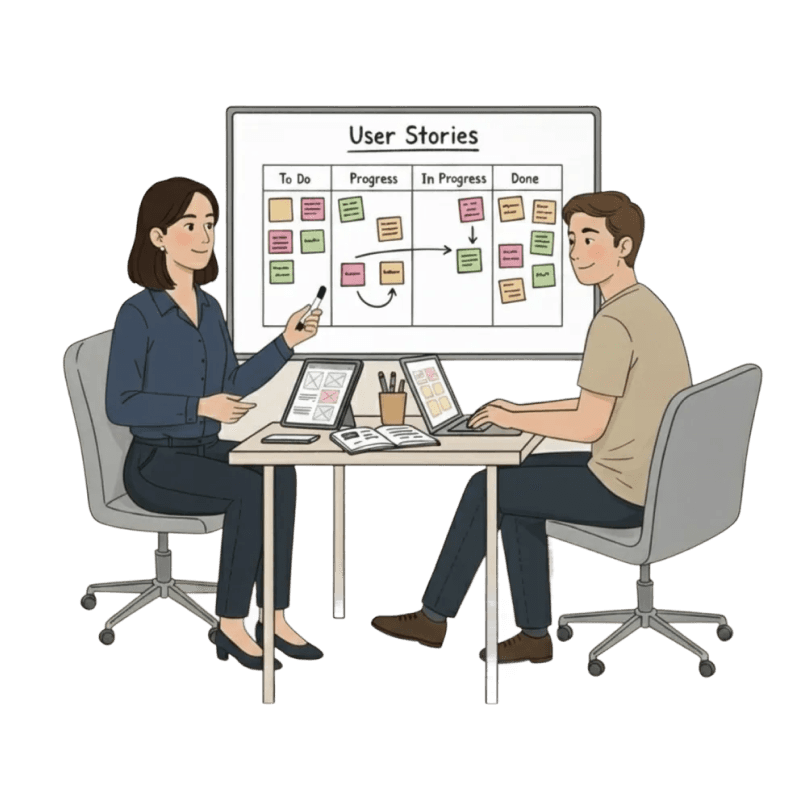
Task
It can come from:
Client
Big conceptual undefined requests.
Product Owner
User stories that need analysis, targeted on business needs.
Myself
Features and tunings to improve UX of final users.
Tasks can be:
Simple
You just do it. All the other team knows exactly how to do it.
Complex
Nobody knows what the result will be, me included. These 30% of tasks - fuel for number of ideation workshops, analysis, iteration, user research and hours of discussions.
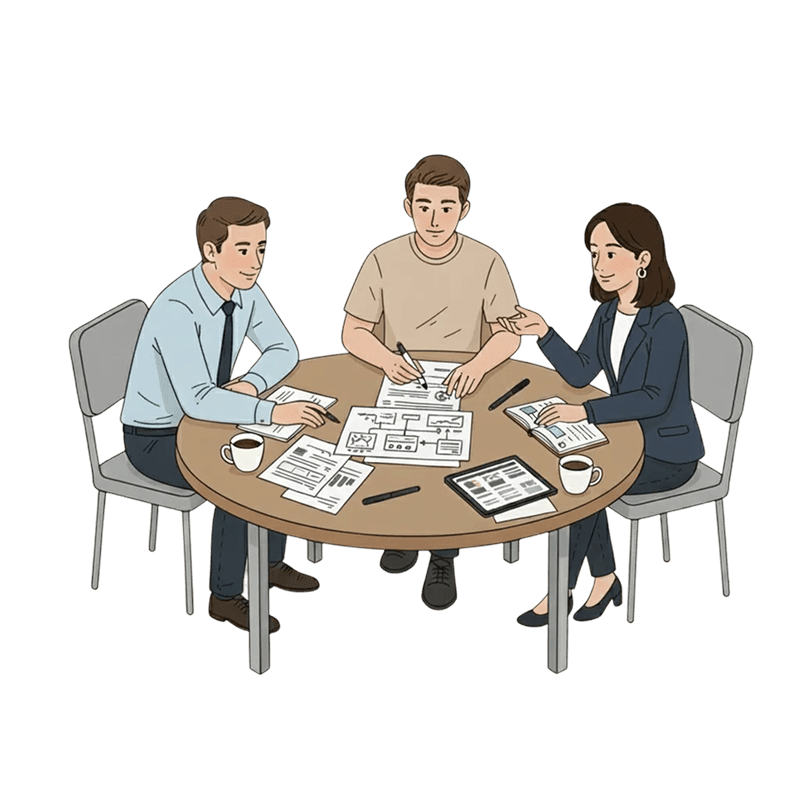
Draft & users
If task is "simple", I have two checks of wireframes:
With Product Owner
If design answered business requirements.
With developers
If we can simplify design (without losing in UX) to speed up time to market.
If task is "complex", plus to those two I also have:
Brainstorm session with client
Sometimes it about them reinventing the whole business process. Sometimes it me to guide them into the right direction.
User interviews
30-minutes calls with users where they perform some tasks on clickable prototype. Depends on my hypothesis proven or rejected, the Draft stage can have another iteration.
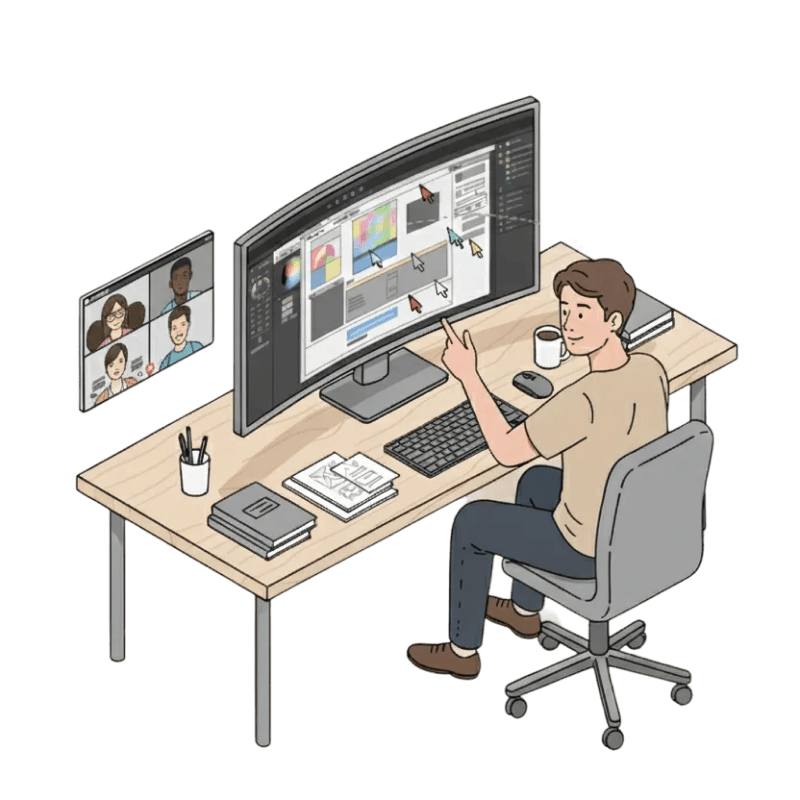
UI & hand-off
90% of time
I work with predefined design systems. So I build the entire UI from its components.
10% of time -
some unique solutions where discussion with developers is needed.
After we discussed the final design with the team, I prepare mockups (flows, comments, documentation if needed).
When someone starts to work on this task in sprint they invite me on the tasks kick-off, where we check everything we need to do.
After the task is ready, I have a design review during the task demo or myself on the dev stage.
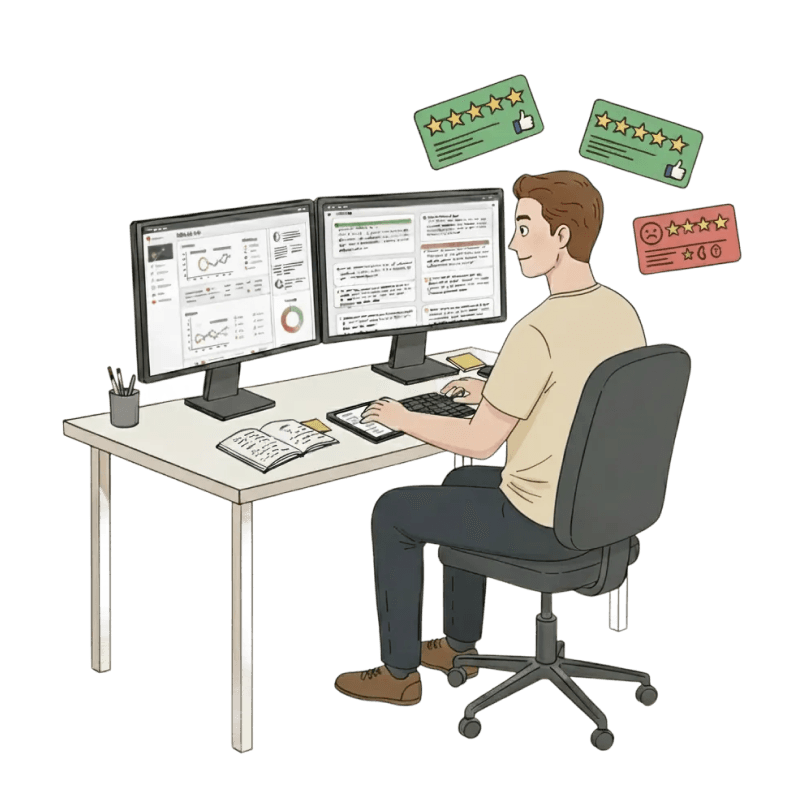
Release
As I work in-house, I have control on what happens after the release.
If feedback is negative and prioritized, I analys it it and go on the next iteration of design.
If feedback is positive, I can propose that new feature/pattern/flow for another product in our ecosystem. Yes, I test design innovations on selected products before the whole-ecosystem implementation.
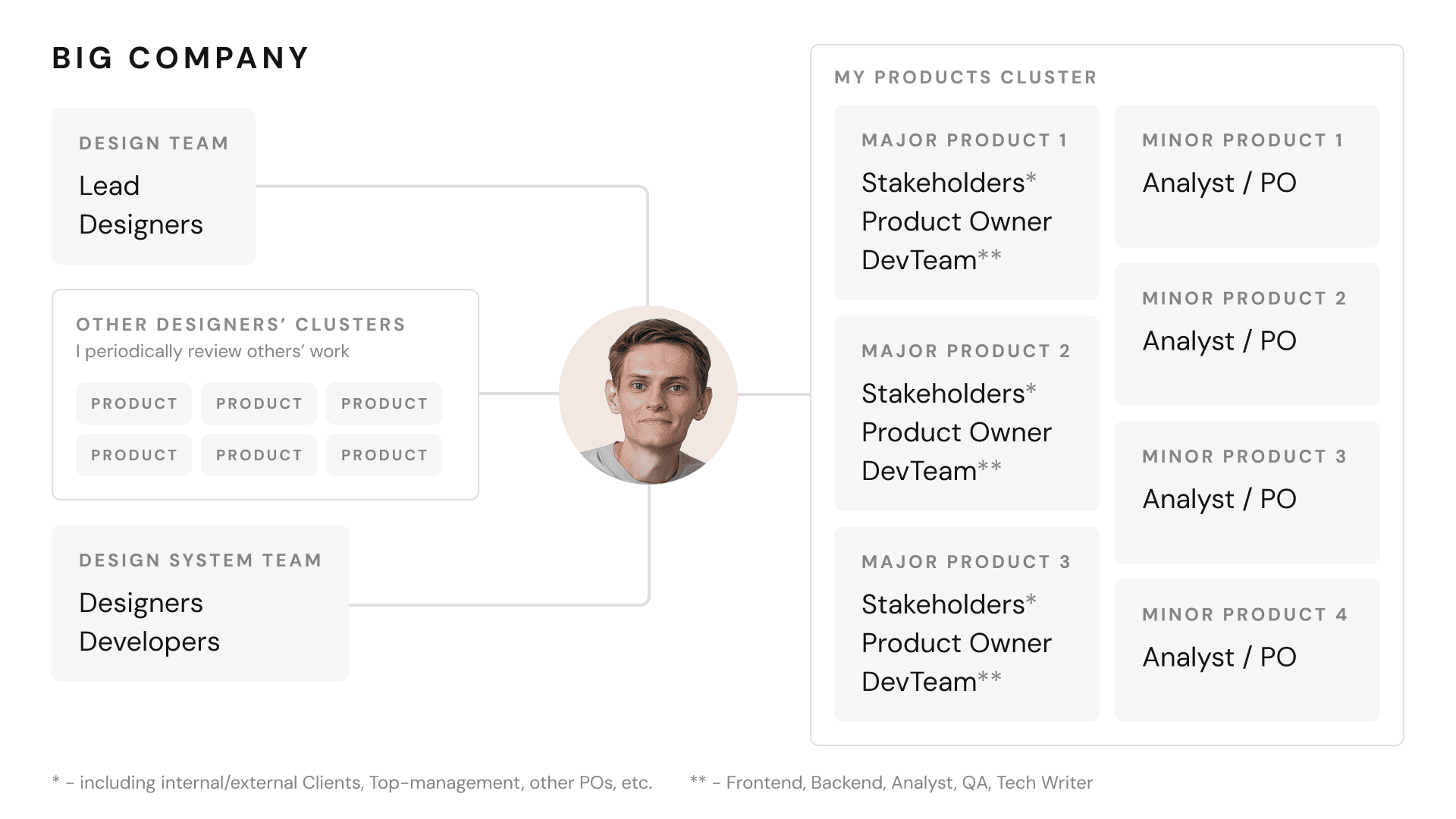
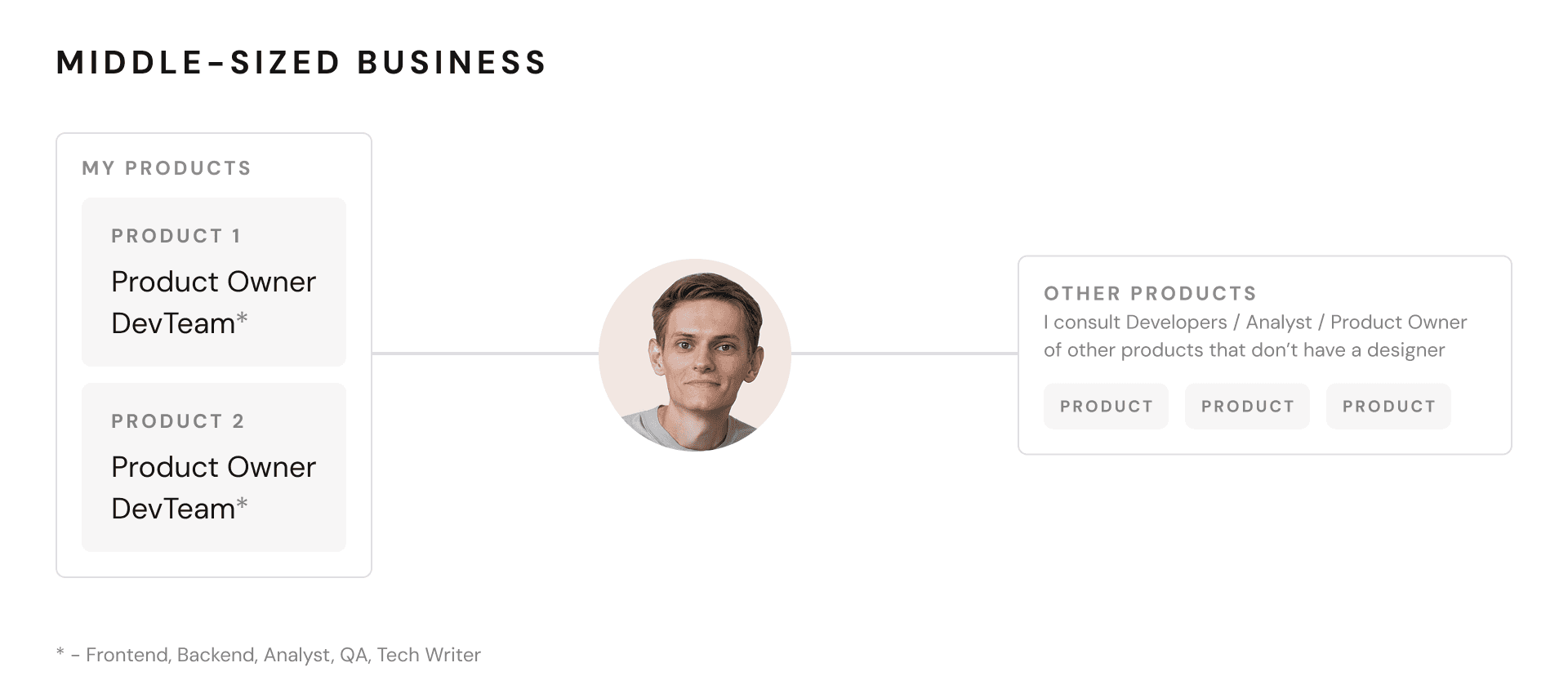
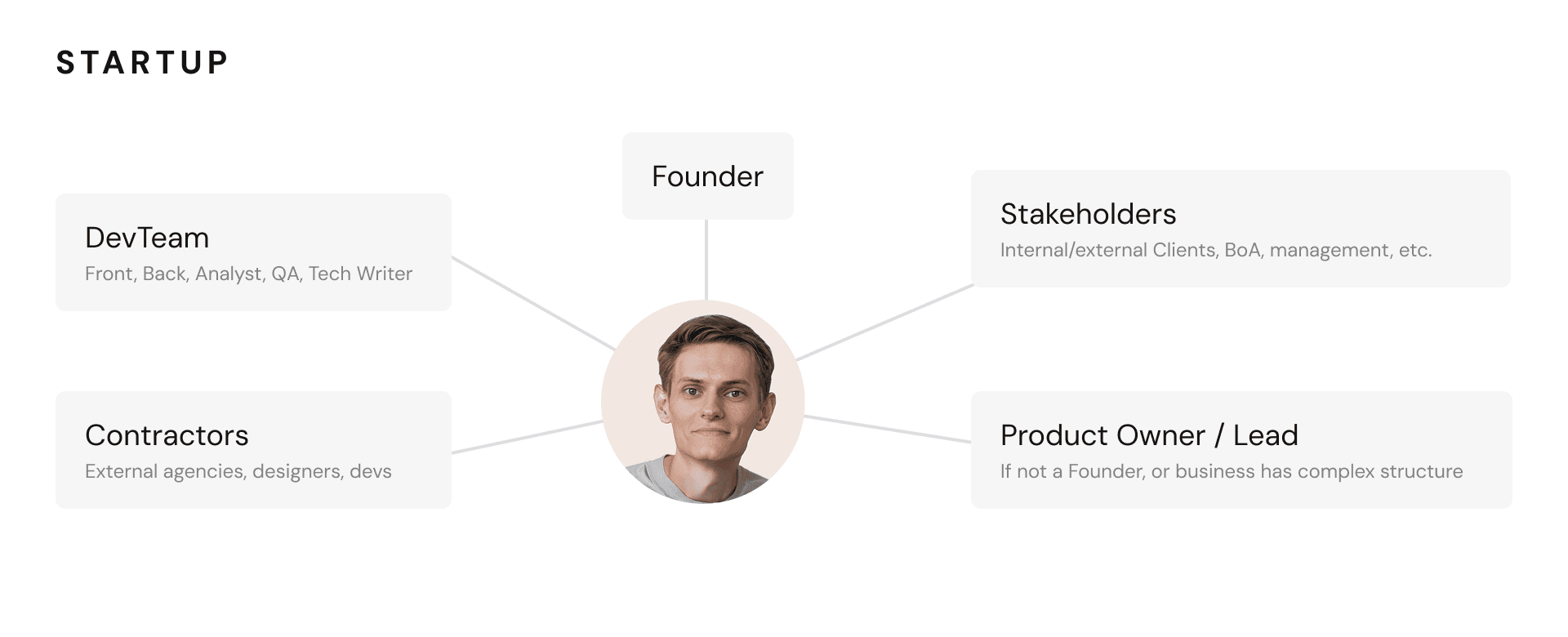
I’ve worked across a wide range of setups: onsite and remote; large organizations with established design teams; mid-sized companies where I was the sole designer; and startups where wearing multiple hats was required. I’ve operated in Agile environments using Scrum as well as customized processes. Below are examples of how work-process communication looked in my previous and current roles.
Impact on business
Data is based on managers’ reports, tracked user actions, and team/user feedback
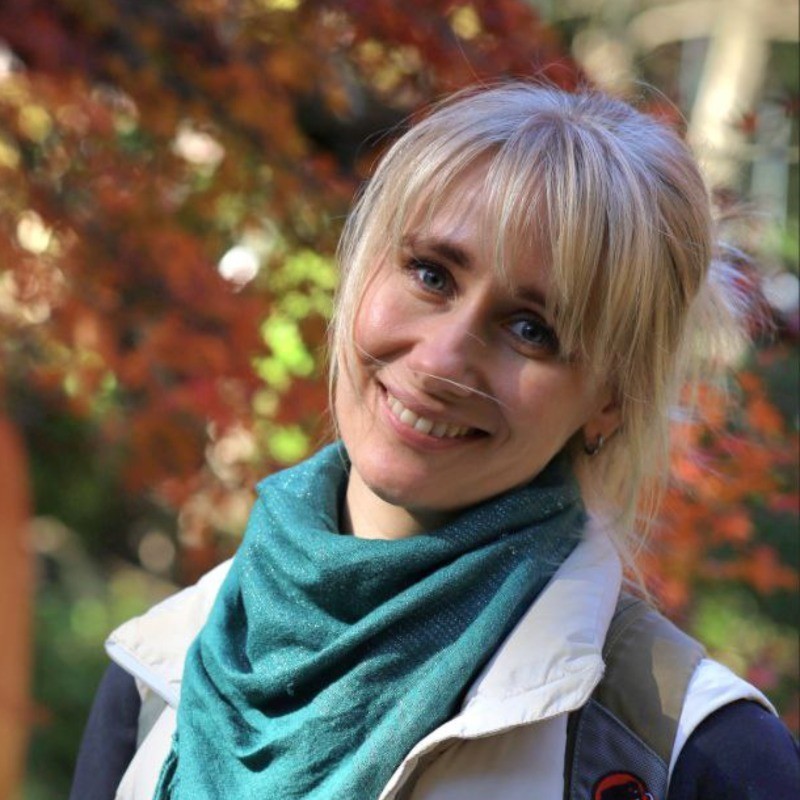
Feedback from colleagues
Click the LinkedIn icon to see the full feedback from the person


More
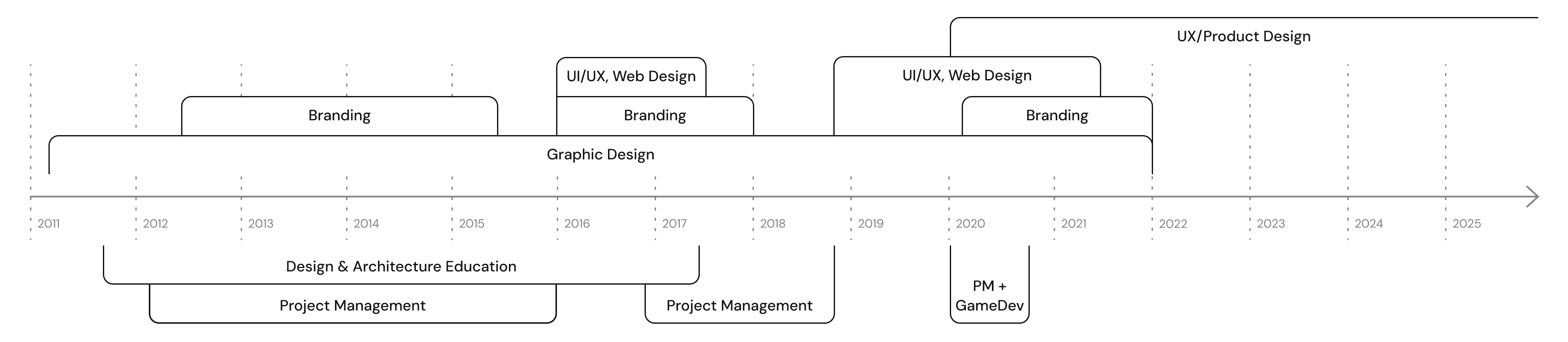
My professional development way: I believe designer can't have isolated experience in their domain. You achieve more when bring more to the table.
'UI/UX' here means thins you can print it on paper and it still will be working its purpose: static websites, landing pages.
'Product Design' here means it won't work if you print it (like, good luck clicking calculator or dashboard on paper).
Through ADPList and the Women in Tech program, I support junior and mid-level designers, offering guidance to accelerate their professional growth and avoid common mistakes.
I'm certified as a Professional Scrum Product Owner — a useful additional skill for someone who works with multiple Scrum teams and POs.

NSUADA architecture graduate with 6+ years of education in engineering, human-centered design, and fine arts. The University is ranked #9 in Europe and #112 worldwide for architecture and design by Inspireli Ranking 2023/24.

I'm an AIESEC alumnus. Spent 4,5 years as a team member, Vice President, President, coach, and conference speaker delivering leadership development and project management programs to youth. Hey, AIESEC!

I published a fiction book and have several other novels in development, awaiting their release.

Meet Lapland, my Sheltie. A natural sheepdog, he thinks we and our friends are his herd to look after — and we don’t mind :)