Goals

Create a streamlined process for employee idea submission and business review.

- Enhance the existing system's flow through UI/UX improvements,
- Integrate additional features for resource planning and analysis,
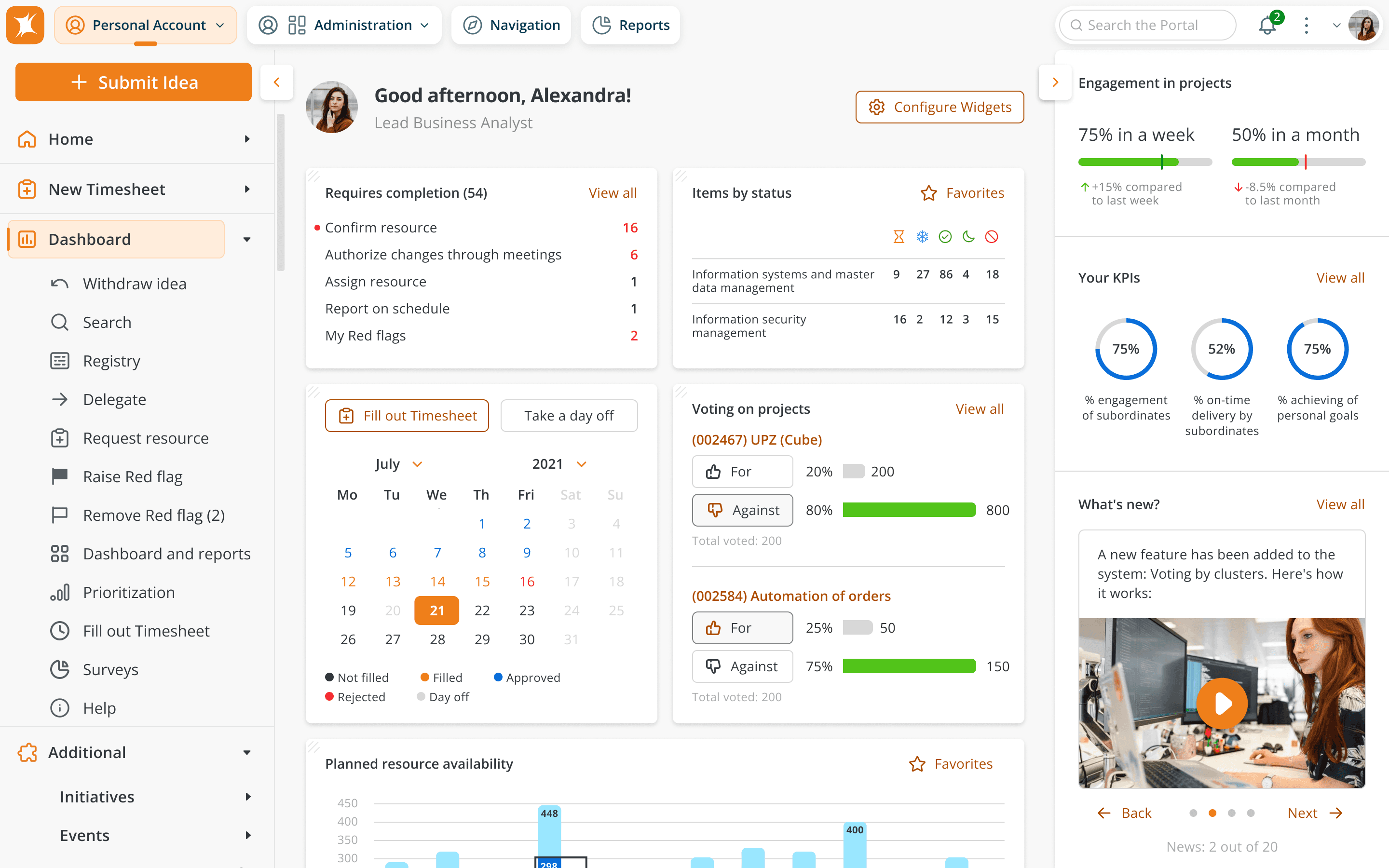
- Develop personalized dashboards tailored to each role,
- Accelerate idea analysis speed.

My role

- UI/UX/Product design
- User research
- Wireframes / Prototypes
- Design hand-off
- Presentations
- Facilitating workshops
- UI kit development
- Team consultancy

Team

- Product Owner
- 3 Analysts
- UX/Product Designer
- 3 Developers
- QA
- 15 stakeholders
Result

Implemented over 20 features and enhanced existing ones, boosting idea analysis speed by 30%. Additionally, introduced a design system, reducing new system development time by 20-30%.

Users

- Contributors: employees from all roles and levels suggesting improvements,
- Reviewers: a relatively small group of business people, but the main beneficiaries.

Challenges

In a large company, adherence to rules and standards was imperative, even if processes weren't always clear. Thus, the central question was: How to ensure speed, clarity, and accuracy in all operations?

Duration

>1 years

Tools

Figma, Miro, Jira

Show design process

Task

It can come from:

Client
Big conceptual undefined requests.

Product Owner
User stories that need analysis, targeted on business needs.

Myself
Features and tunings to improve UX of final users.

Tasks can be:

Simple
You just do it. All the other team knows exactly how to do it.

Complex
Nobody knows what the result will be, me included. These 30% of tasks - fuel for number of ideation workshops, analysis, iteration, user research and hours of discussions.

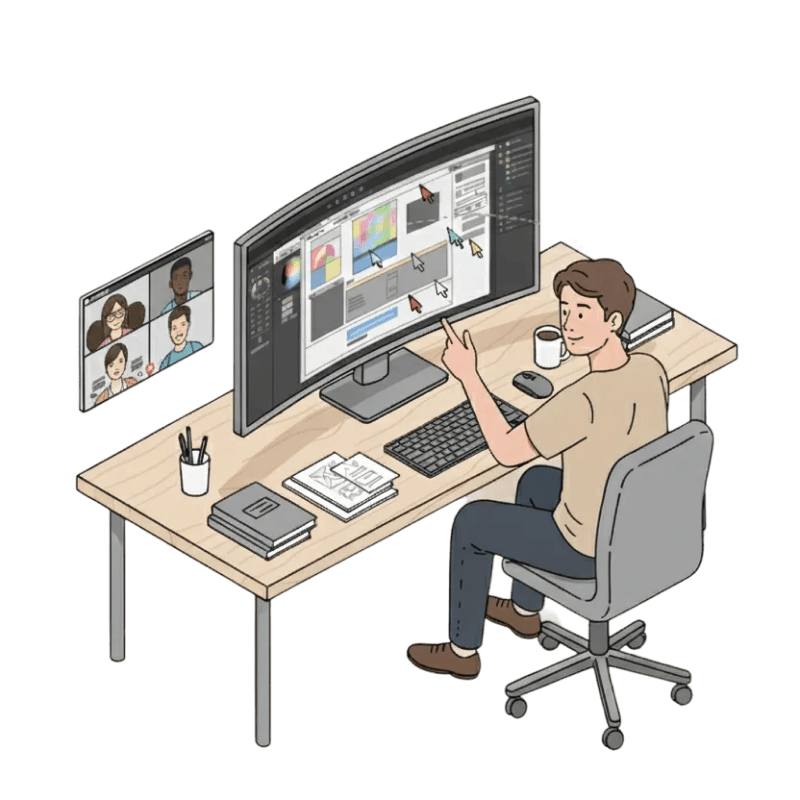
Draft & users

If task is "simple", I have two checks of wireframes:

With Product Owner
If design answered business requirements.

With developers
If we can simplify design (without losing in UX) to speed up time to market.

If task is "complex", plus to those two I also have:

Brainstorm session with client
Sometimes it about them reinventing the whole business process. Sometimes it me to guide them into the right direction.

User interviews
30-minutes calls with users where they perform some tasks on clickable prototype. Depends on my hypothesis proven or rejected, the Draft stage can have another iteration.

UI & hand-off

90% of time
I work with predefined design systems. So I build the entire UI from its components.

10% of time -
some unique solutions where discussion with developers is needed.

After we discussed the final design with the team, I prepare mockups (flows, comments, documentation if needed).

When someone starts to work on this task in sprint they invite me on the tasks kick-off, where we check everything we need to do.

After the task is ready, I have a design review during the task demo or myself on the dev stage.

Release

As I work in-house, I have control on what happens after the release.

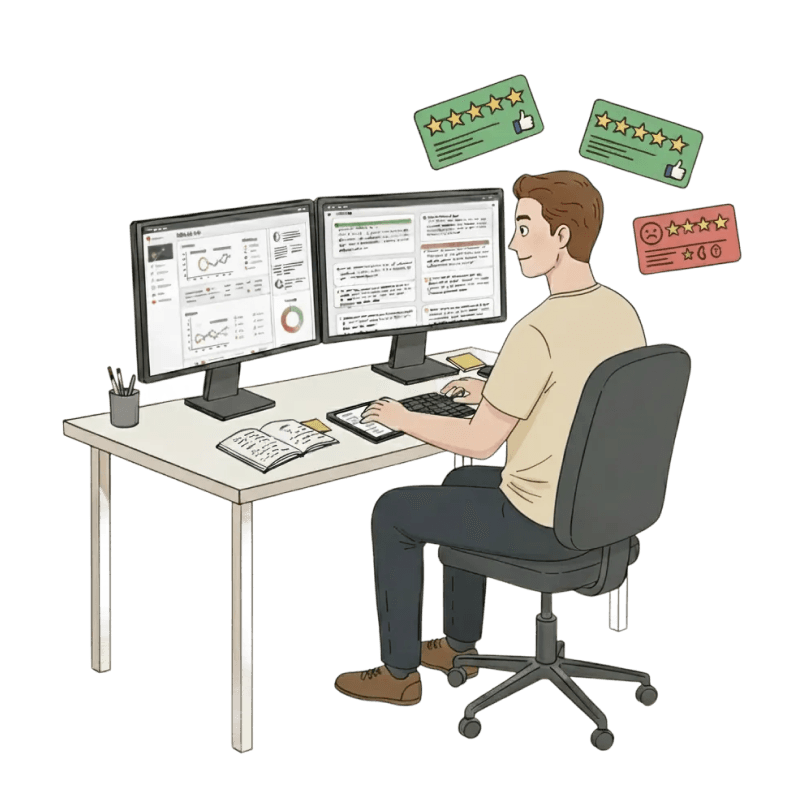
If feedback is negative and prioritized, I analys it it and go on the next iteration of design.

If feedback is positive, I can propose that new feature/pattern/flow for another product in our ecosystem. Yes, I test design innovations on selected products before the whole-ecosystem implementation.

Task

It can come from:

Client
Big conceptual undefined requests.

Product Owner
User stories that need analysis, targeted on business needs.

Myself
Features and tunings to improve UX of final users.

Tasks can be:

Simple
You just do it. All the other team knows exactly how to do it.

Complex
Nobody knows what the result will be, me included. These 30% of tasks - fuel for number of ideation workshops, analysis, iteration, user research and hours of discussions.

Draft & users

If task is "simple", I have two checks of wireframes:

With Product Owner
If design answered business requirements.

With developers
If we can simplify design (without losing in UX) to speed up time to market.

If task is "complex", plus to those two I also have:

Brainstorm session with client
Sometimes it about them reinventing the whole business process. Sometimes it me to guide them into the right direction.

User interviews
30-minutes calls with users where they perform some tasks on clickable prototype. Depends on my hypothesis proven or rejected, the Draft stage can have another iteration.

UI & hand-off

90% of time
I work with predefined design systems. So I build the entire UI from its components.

10% of time -
some unique solutions where discussion with developers is needed.

After we discussed the final design with the team, I prepare mockups (flows, comments, documentation if needed).

When someone starts to work on this task in sprint they invite me on the tasks kick-off, where we check everything we need to do.

After the task is ready, I have a design review during the task demo or myself on the dev stage.

Release

As I work in-house, I have control on what happens after the release.

If feedback is negative and prioritized, I analys it it and go on the next iteration of design.

If feedback is positive, I can propose that new feature/pattern/flow for another product in our ecosystem. Yes, I test design innovations on selected products before the whole-ecosystem implementation.

Show design process

Imagine suggesting something new while brainstorming with your team: you write ideas on stickers and then your teammates "+" what they like.

In large companies, you have almost the same thing, but the process is just a few steps longer. So for these additional steps, you need an entire Idea Management System (IMS) to make sure everything goes according to the multi-branch flows.

30%

boost in idea analysis speed

35%

reduction in new system development by implementing a design system

30%

boost in idea analysis speed

35%

reduction in new system development by implementing a design system

30%

boost in idea analysis speed

35%

reduction in new system development by implementing a design system

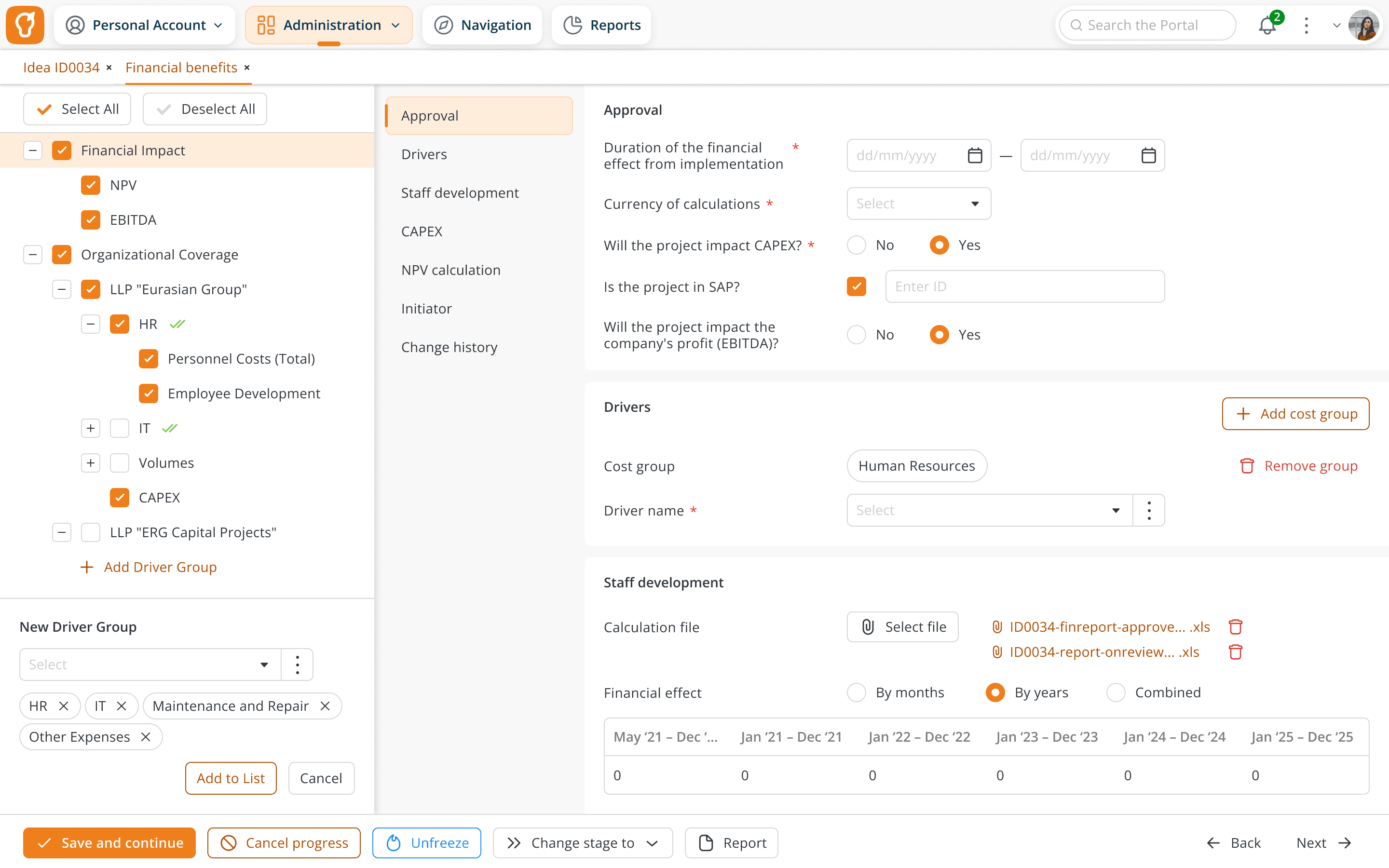
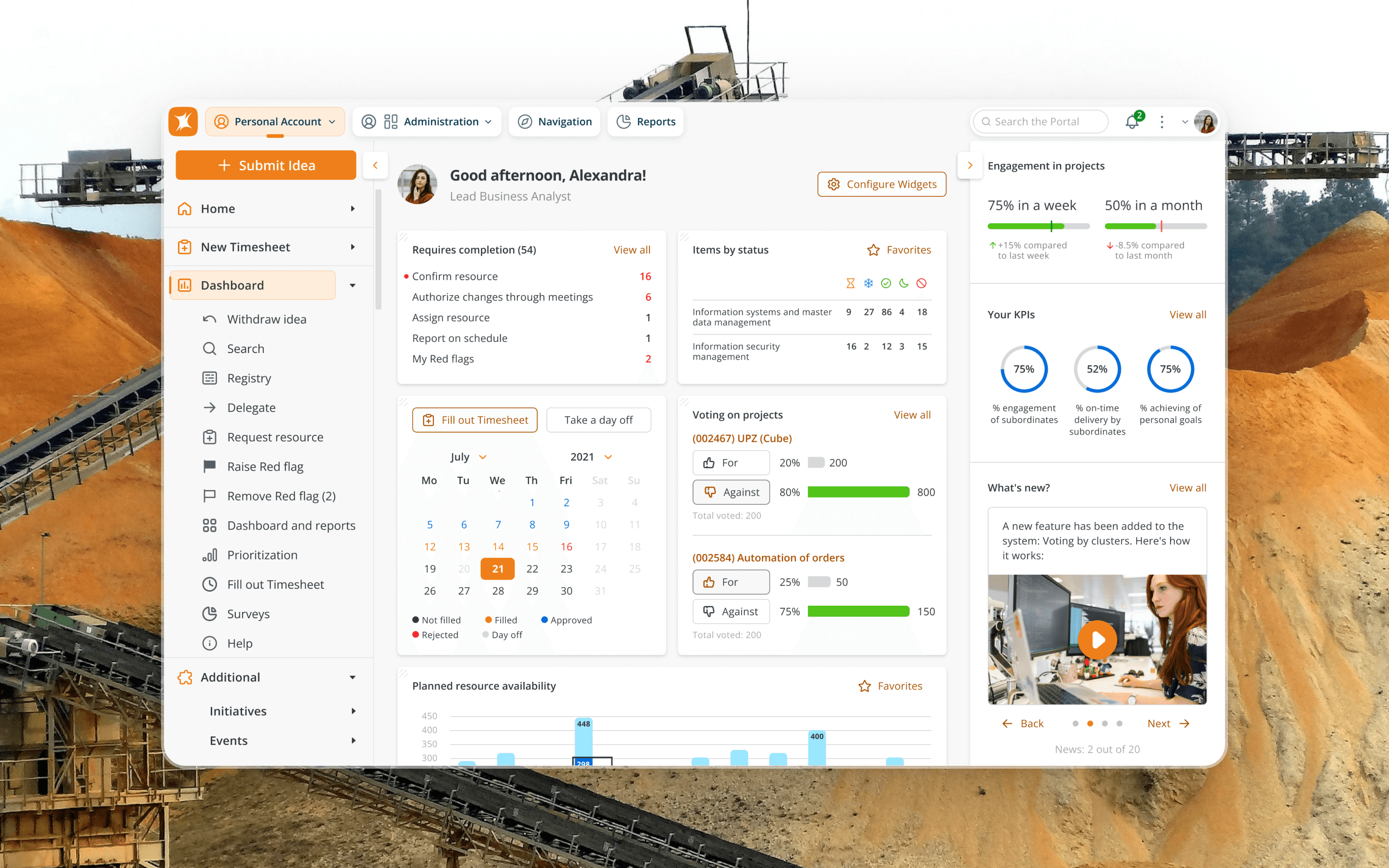
Also, in our system, I designed not only the "idea title" and "idea description" fields, but the entire framework for description and approval. It even has its own idea backlog!

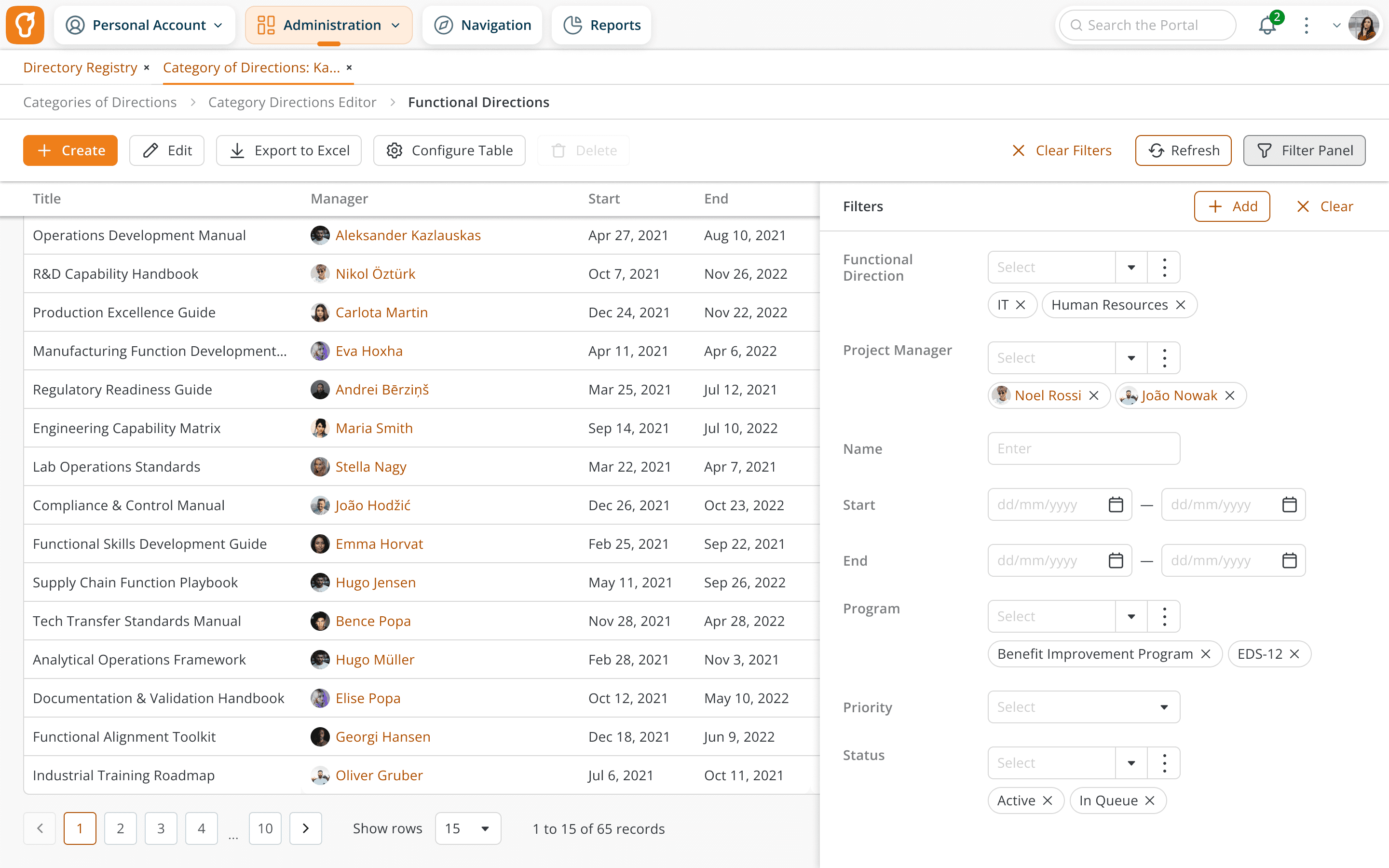
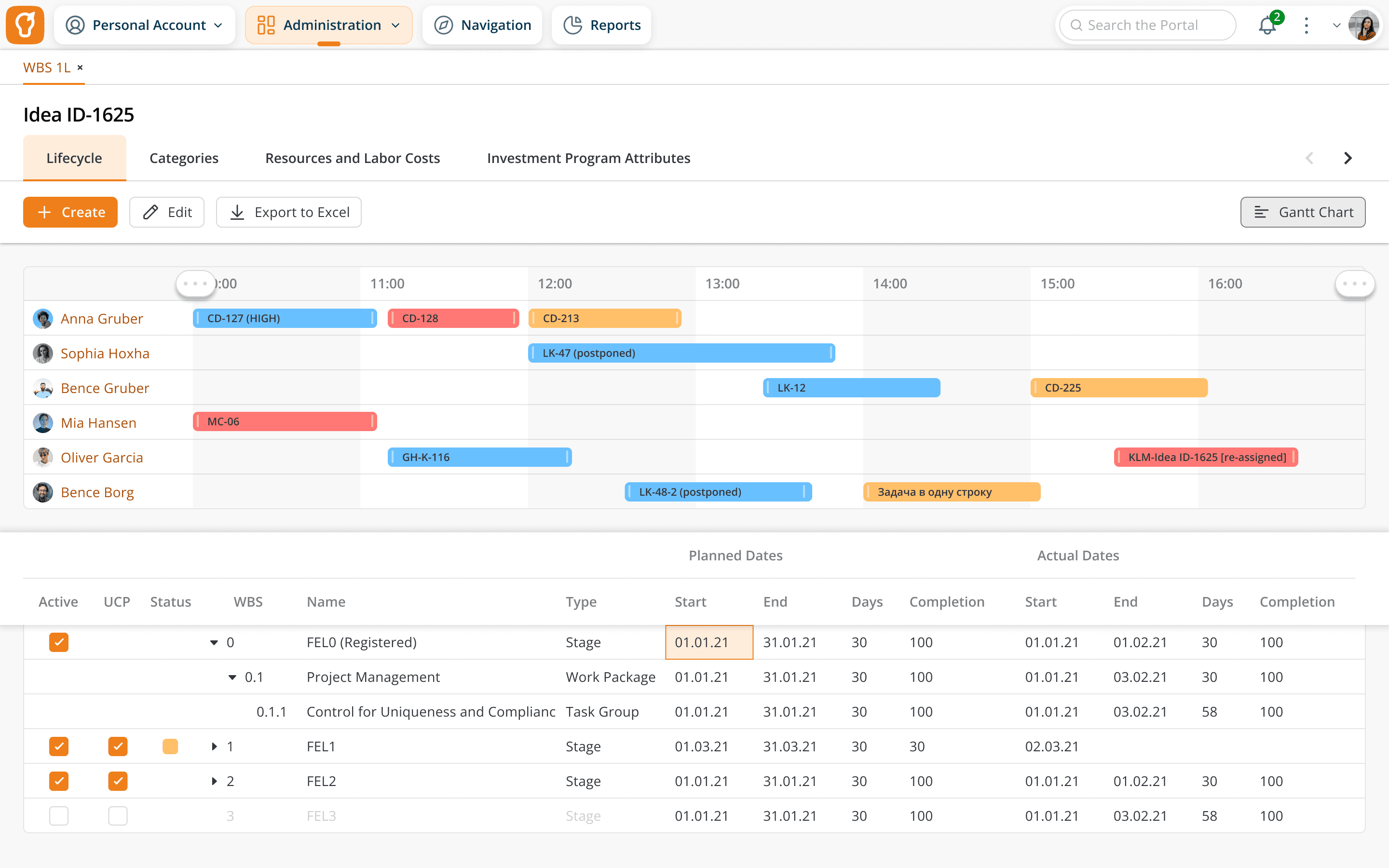
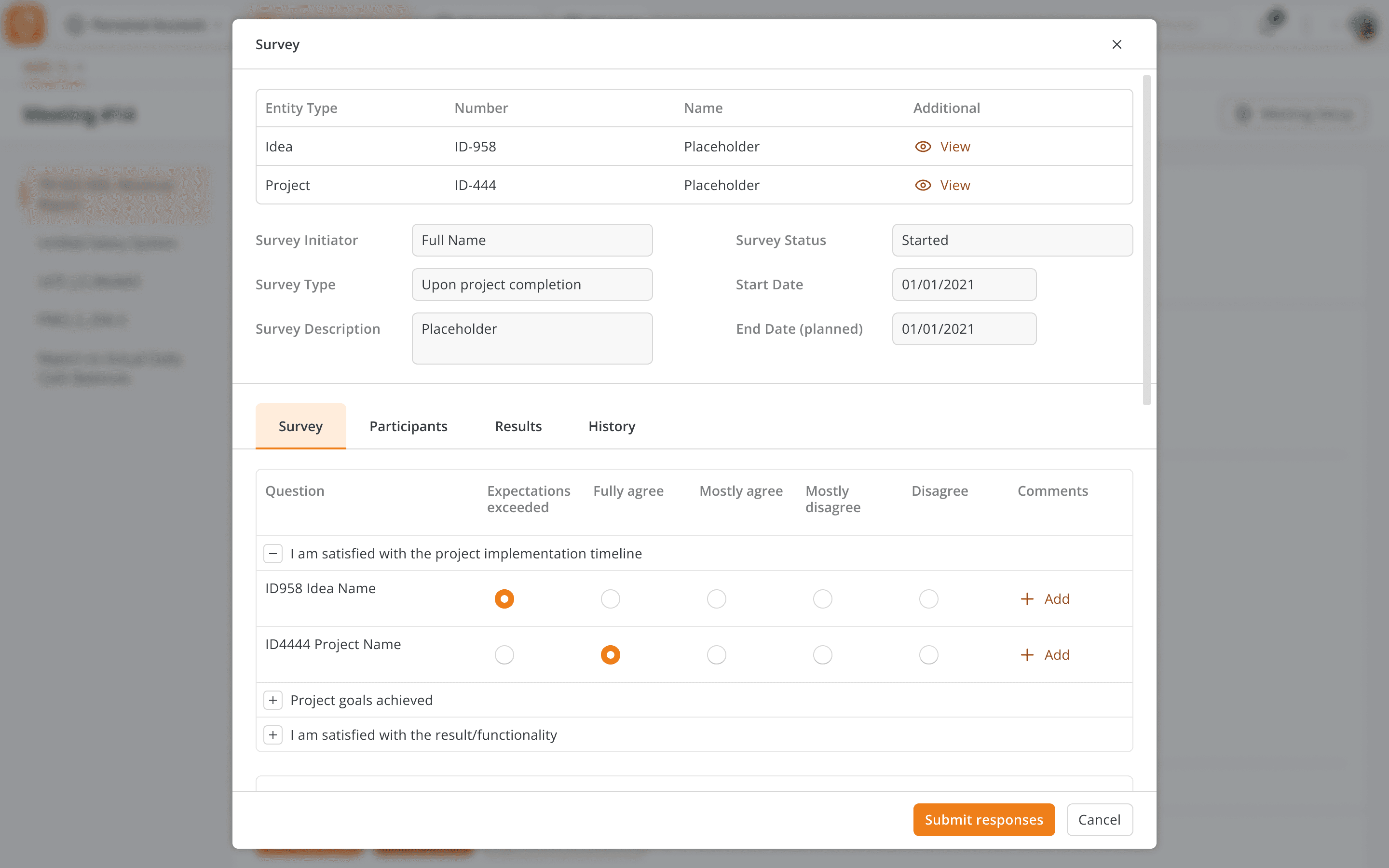
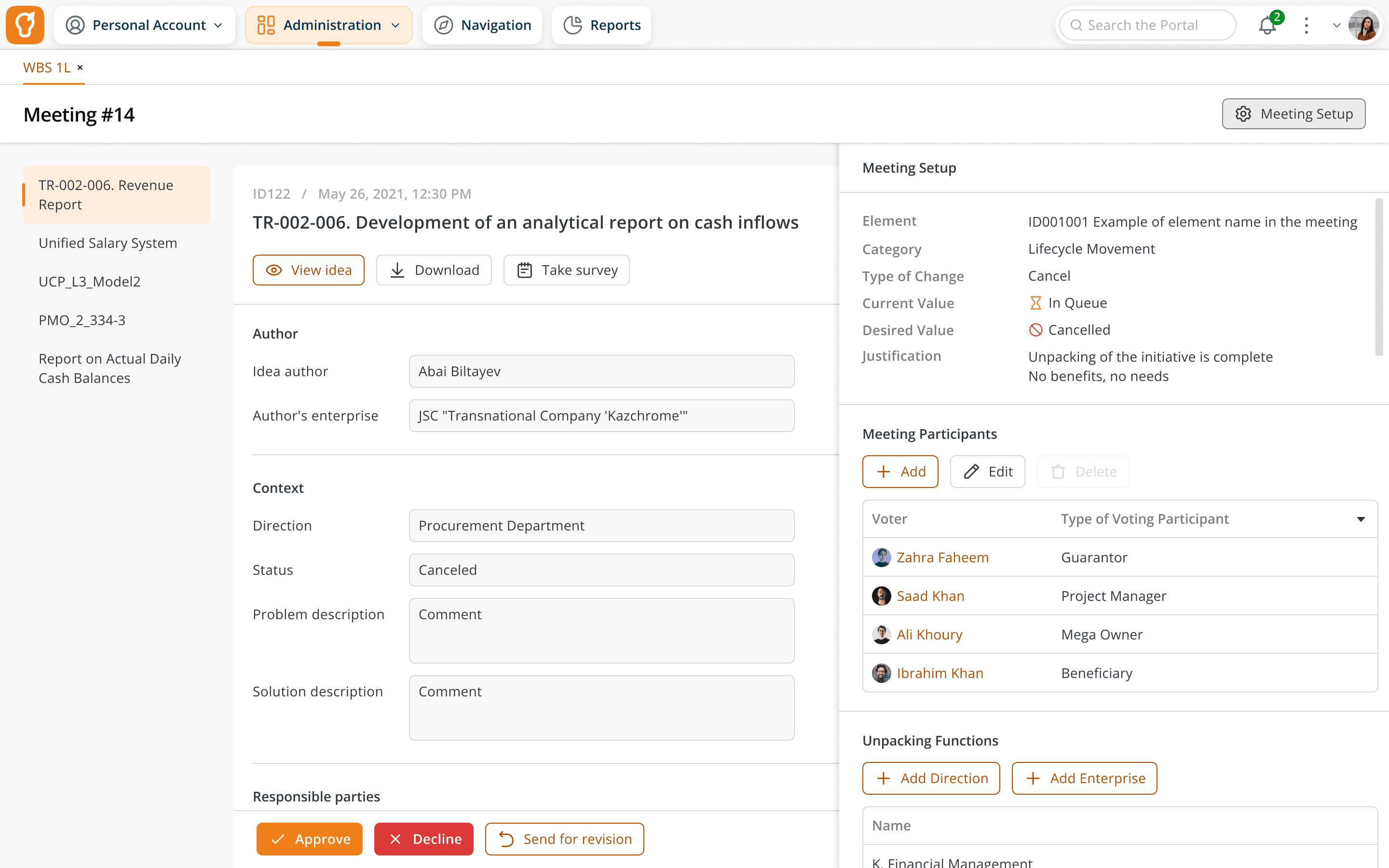
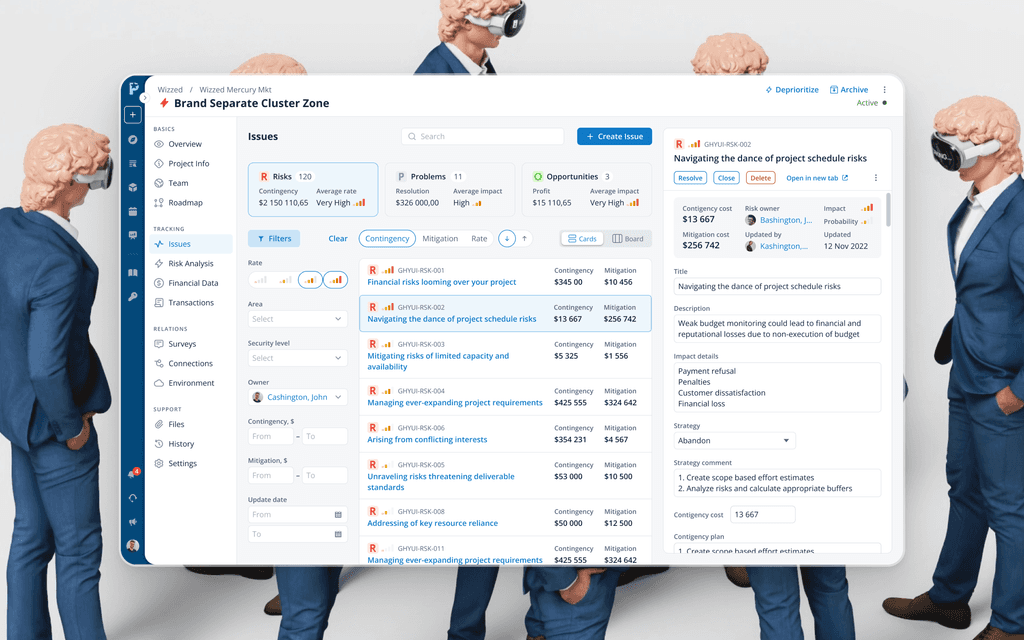
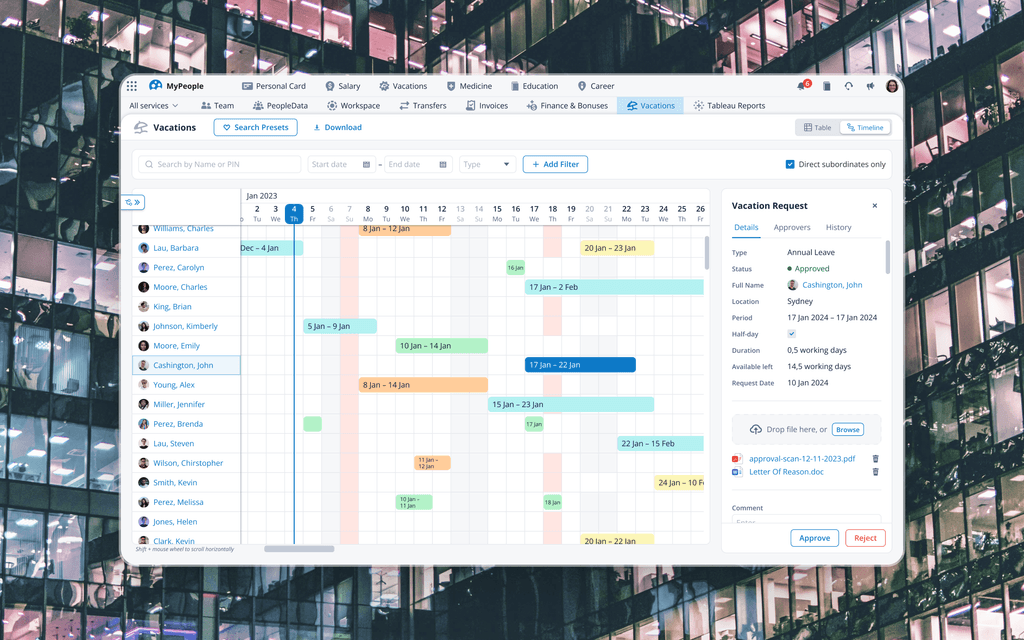
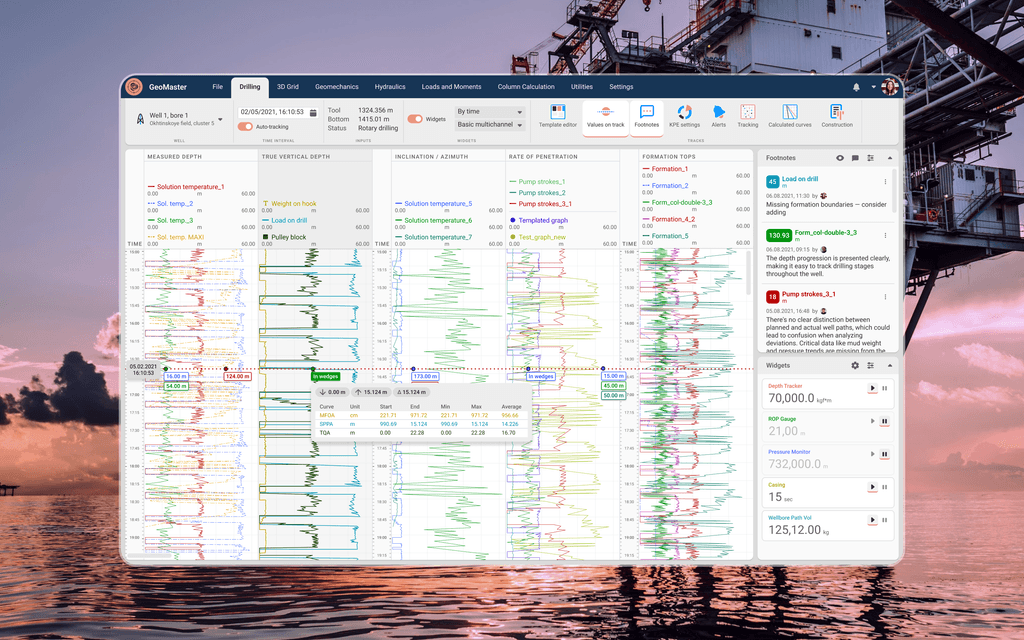
It's interesting how you can borrow everything for idea management. Simple tables? Yes, simple tables. And not simple. Calendars? Sure. Gantt chart? Of course! We also had a ton of widgets and approver questionnaires. Because all ideas are different. And their flows are different too.

NDA disclaimer: The images shown on this page are drafts, concepts or high-fidelity wireframes and do not reflect the final product. All names, numbers, titles, charts, and other data are fictitious.

NDA disclaimer: The images shown on this page are drafts, concepts or high-fidelity wireframes and do not reflect the final product. All names, numbers, titles, charts, and other data are fictitious.

NDA disclaimer: The images shown on this page are drafts, concepts or high-fidelity wireframes and do not reflect the final product. All names, numbers, titles, charts, and other data are fictitious.