Goals

Develop corporate website that functionate as a website builder tool.

- Transition from Microsoft SharePoint to an in-house platform,
- Redesign the corporate portal,
- Increase portal administration speed and functionality.

My role

- UI/UX/Product design
- Wireframes / Prototypes
- Design hand-off
- Presentations
- Feature proposals
- UI kit implementation

Team

- Product Owner
- 3 Analysts
- UX/Product Designer
- 4 Developers
- QA
- >10 stakeholders

Duration

8 month

Tools

Figma, Miro, Jira, Confluence

Result

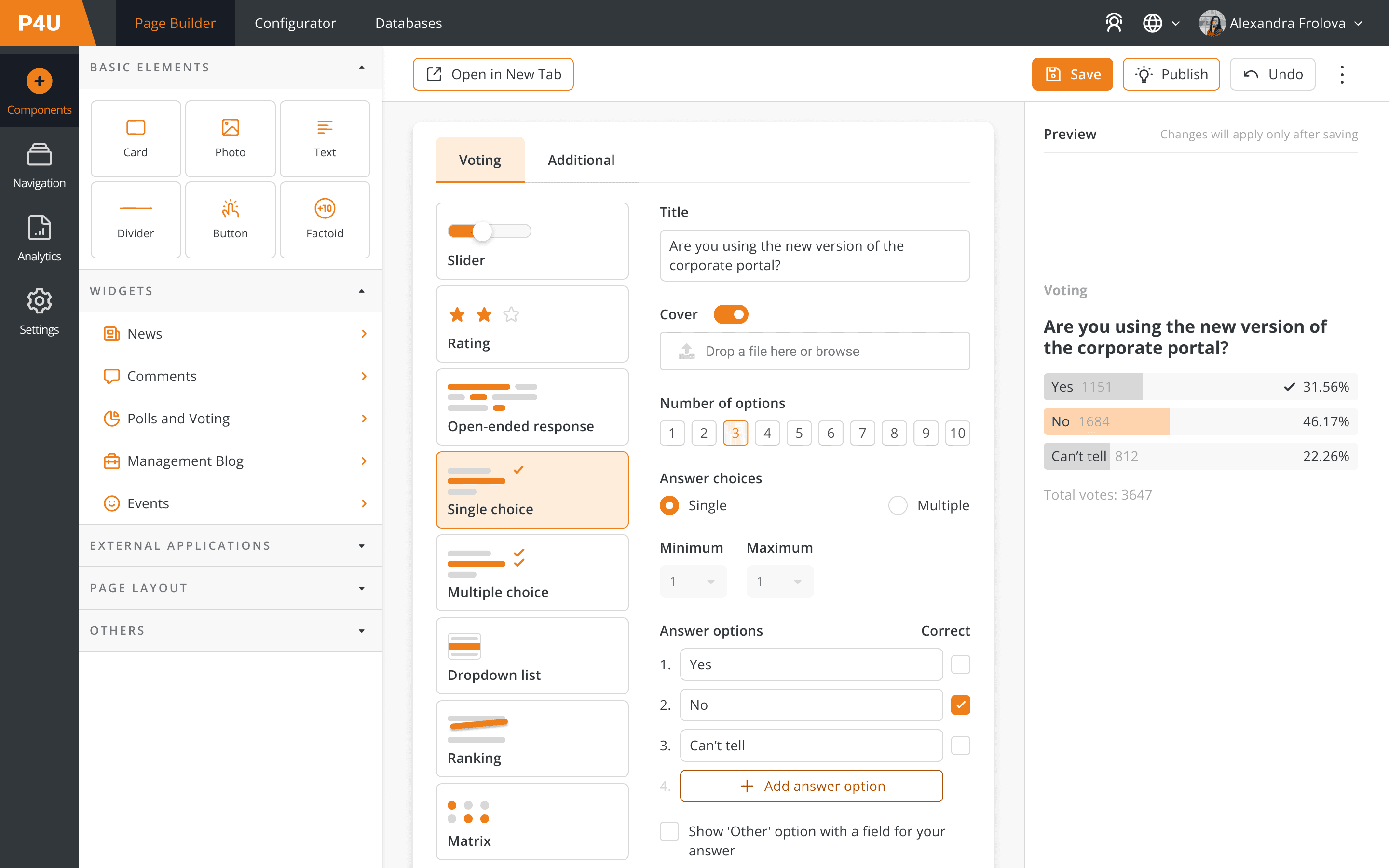
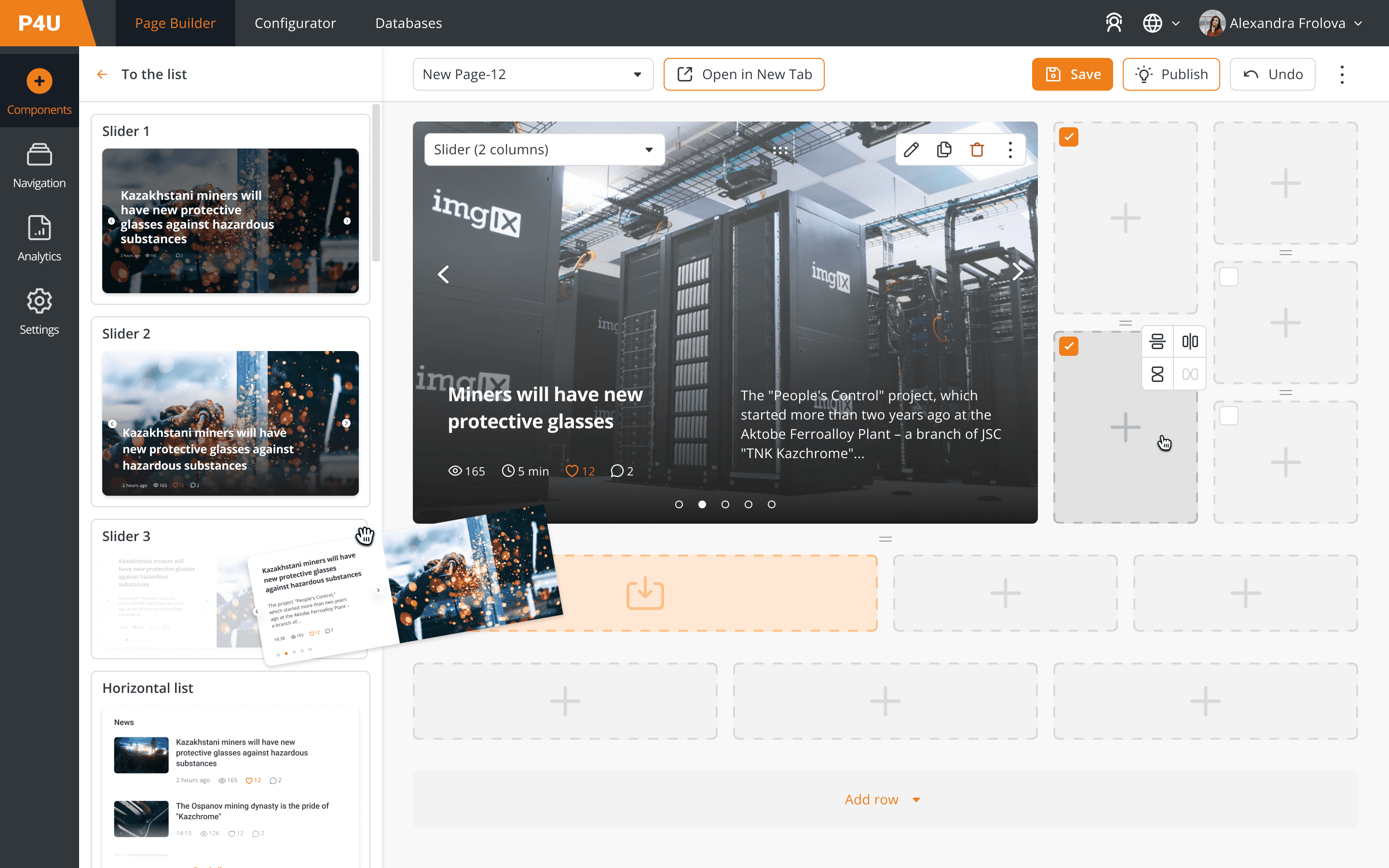
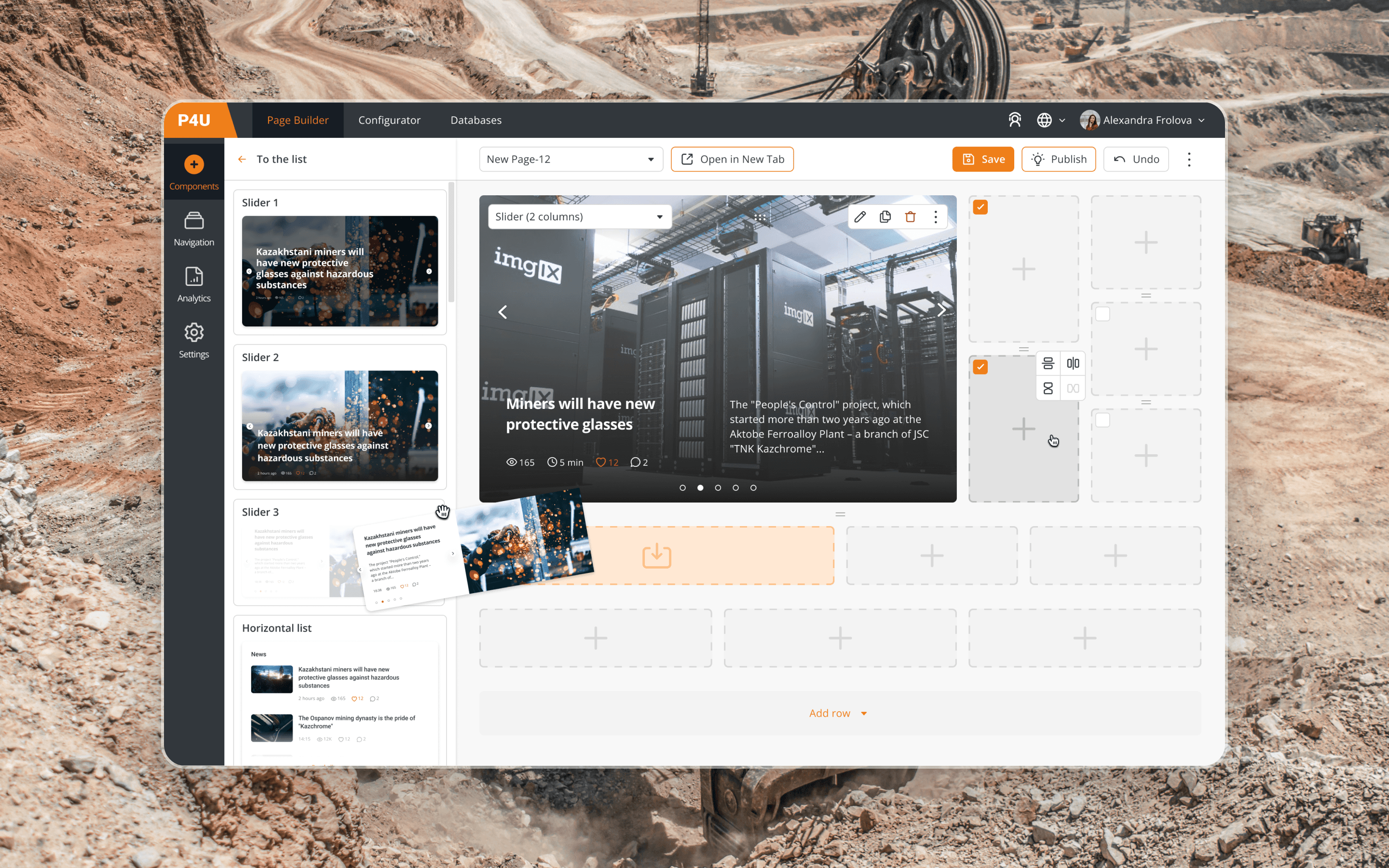
I formulated the core concepts and outlined the functionality of the "website builder" aspect. Additionally, I crafted over 80 customizable blocks intended to accelerate administration by 90%.

Users

1. Admins: Configure the portal environment and customize its architecture,
2. Editors: Populate the portal with content and moderate it daily,
3. Viewers: Users who observe the portal's content.

This meant creation of a three-tiered interface.

Challenges

There were no technological constraints because it was our own in-house development with almost no rush and no deadlines. And this became the main challenge: such a setup opened access to a large amount of ideas that needed to be discussed and filtered on many levels.
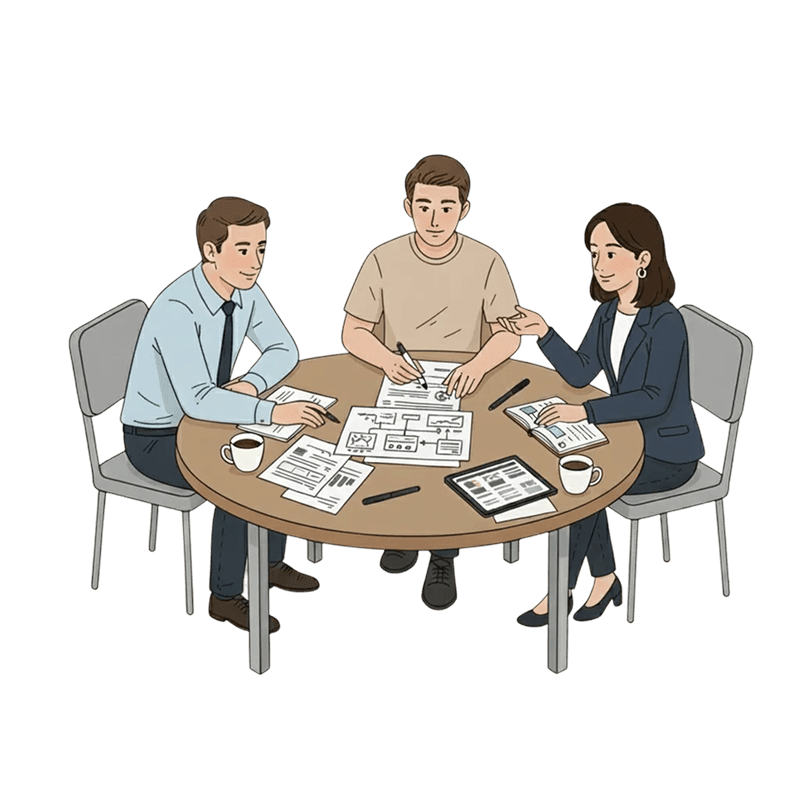
Show design process

Task

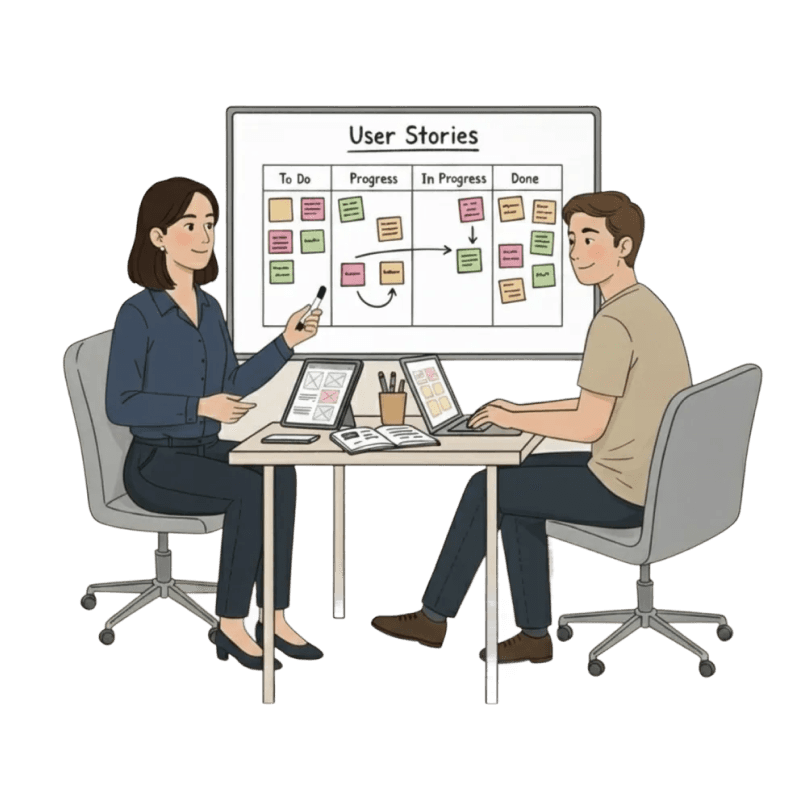
It can come from:

Client
Big conceptual undefined requests.

Product Owner
User stories that need analysis, targeted on business needs.

Myself
Features and tunings to improve UX of final users.

Tasks can be:

Simple
You just do it. All the other team knows exactly how to do it.

Complex
Nobody knows what the result will be, me included. These 30% of tasks - fuel for number of ideation workshops, analysis, iteration, user research and hours of discussions.

Draft & users

If task is "simple", I have two checks of wireframes:

With Product Owner
If design answered business requirements.

With developers
If we can simplify design (without losing in UX) to speed up time to market.

If task is "complex", plus to those two I also have:

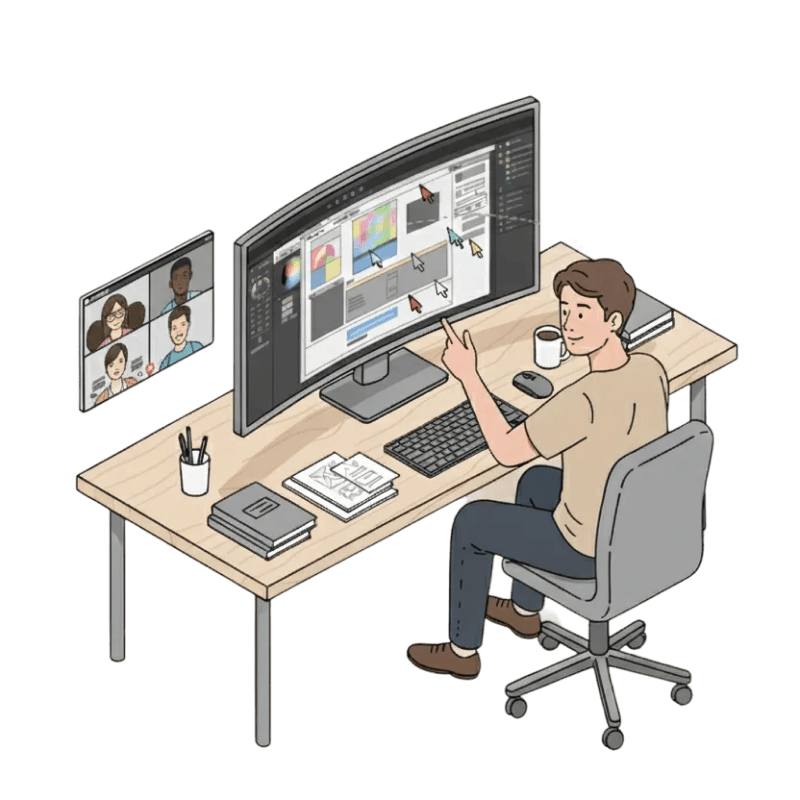
Brainstorm session with client
Sometimes it about them reinventing the whole business process. Sometimes it me to guide them into the right direction.

User interviews
30-minutes calls with users where they perform some tasks on clickable prototype. Depends on my hypothesis proven or rejected, the Draft stage can have another iteration.

UI & hand-off

90% of time
I work with predefined design systems. So I build the entire UI from its components.

10% of time -
some unique solutions where discussion with developers is needed.

After we discussed the final design with the team, I prepare mockups (flows, comments, documentation if needed).

When someone starts to work on this task in sprint they invite me on the tasks kick-off, where we check everything we need to do.

After the task is ready, I have a design review during the task demo or myself on the dev stage.

Release

As I work in-house, I have control on what happens after the release.

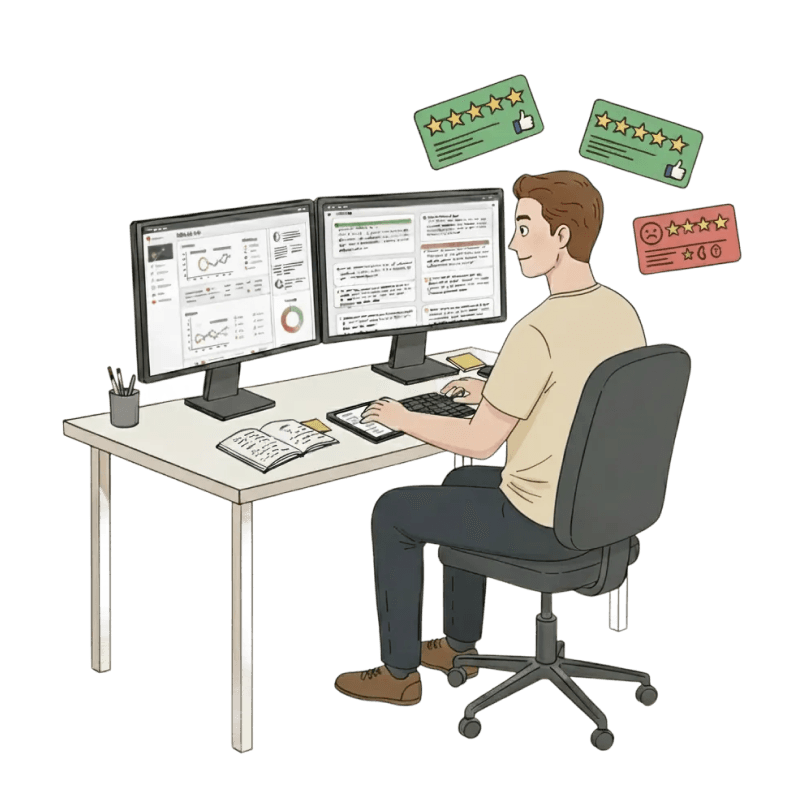
If feedback is negative and prioritized, I analys it it and go on the next iteration of design.

If feedback is positive, I can propose that new feature/pattern/flow for another product in our ecosystem. Yes, I test design innovations on selected products before the whole-ecosystem implementation.

Task

It can come from:

Client
Big conceptual undefined requests.

Product Owner
User stories that need analysis, targeted on business needs.

Myself
Features and tunings to improve UX of final users.

Tasks can be:

Simple
You just do it. All the other team knows exactly how to do it.

Complex
Nobody knows what the result will be, me included. These 30% of tasks - fuel for number of ideation workshops, analysis, iteration, user research and hours of discussions.

Draft & users

If task is "simple", I have two checks of wireframes:

With Product Owner
If design answered business requirements.

With developers
If we can simplify design (without losing in UX) to speed up time to market.

If task is "complex", plus to those two I also have:

Brainstorm session with client
Sometimes it about them reinventing the whole business process. Sometimes it me to guide them into the right direction.

User interviews
30-minutes calls with users where they perform some tasks on clickable prototype. Depends on my hypothesis proven or rejected, the Draft stage can have another iteration.

UI & hand-off

90% of time
I work with predefined design systems. So I build the entire UI from its components.

10% of time -
some unique solutions where discussion with developers is needed.

After we discussed the final design with the team, I prepare mockups (flows, comments, documentation if needed).

When someone starts to work on this task in sprint they invite me on the tasks kick-off, where we check everything we need to do.

After the task is ready, I have a design review during the task demo or myself on the dev stage.

Release

As I work in-house, I have control on what happens after the release.

If feedback is negative and prioritized, I analys it it and go on the next iteration of design.

If feedback is positive, I can propose that new feature/pattern/flow for another product in our ecosystem. Yes, I test design innovations on selected products before the whole-ecosystem implementation.

Show design process

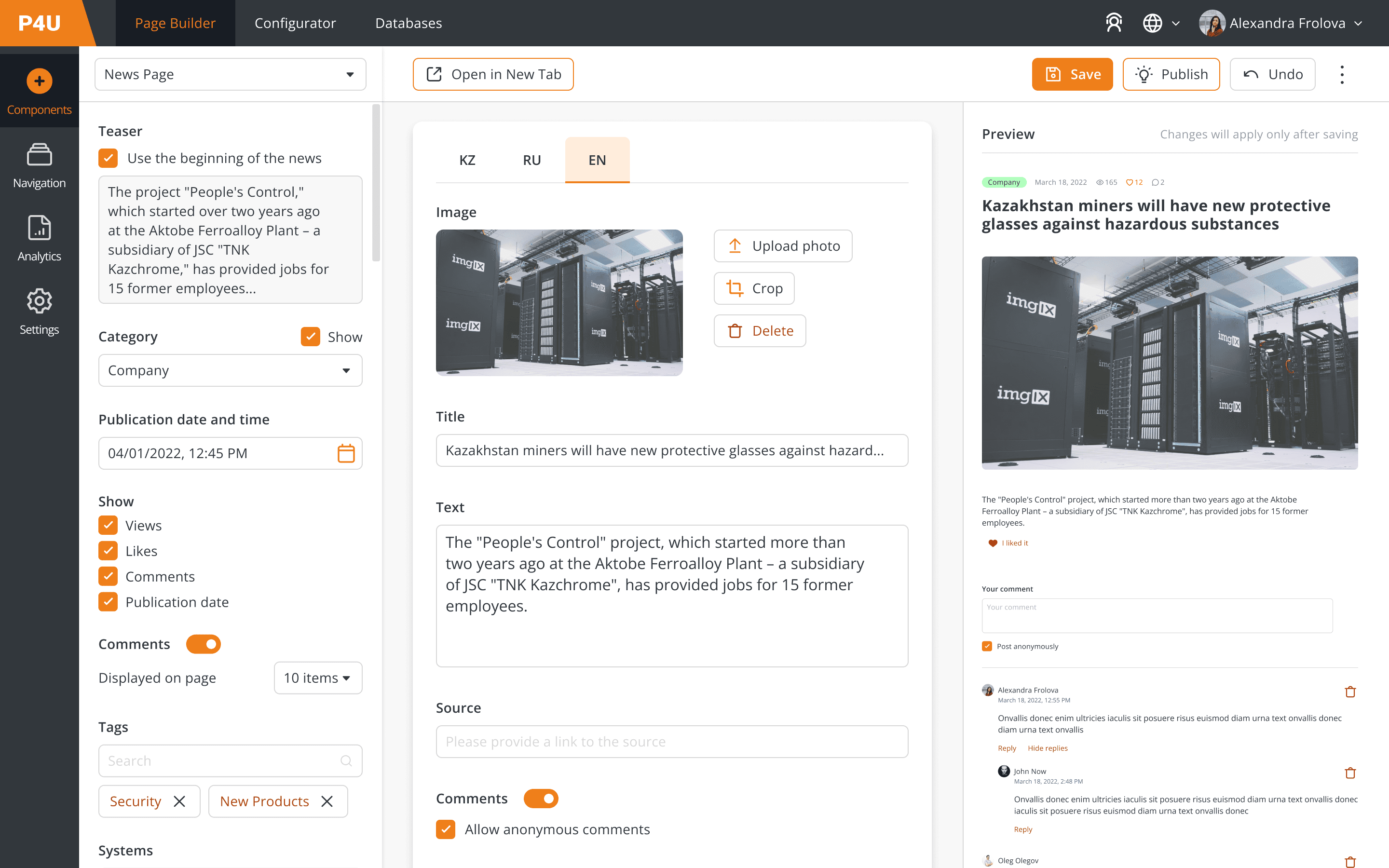
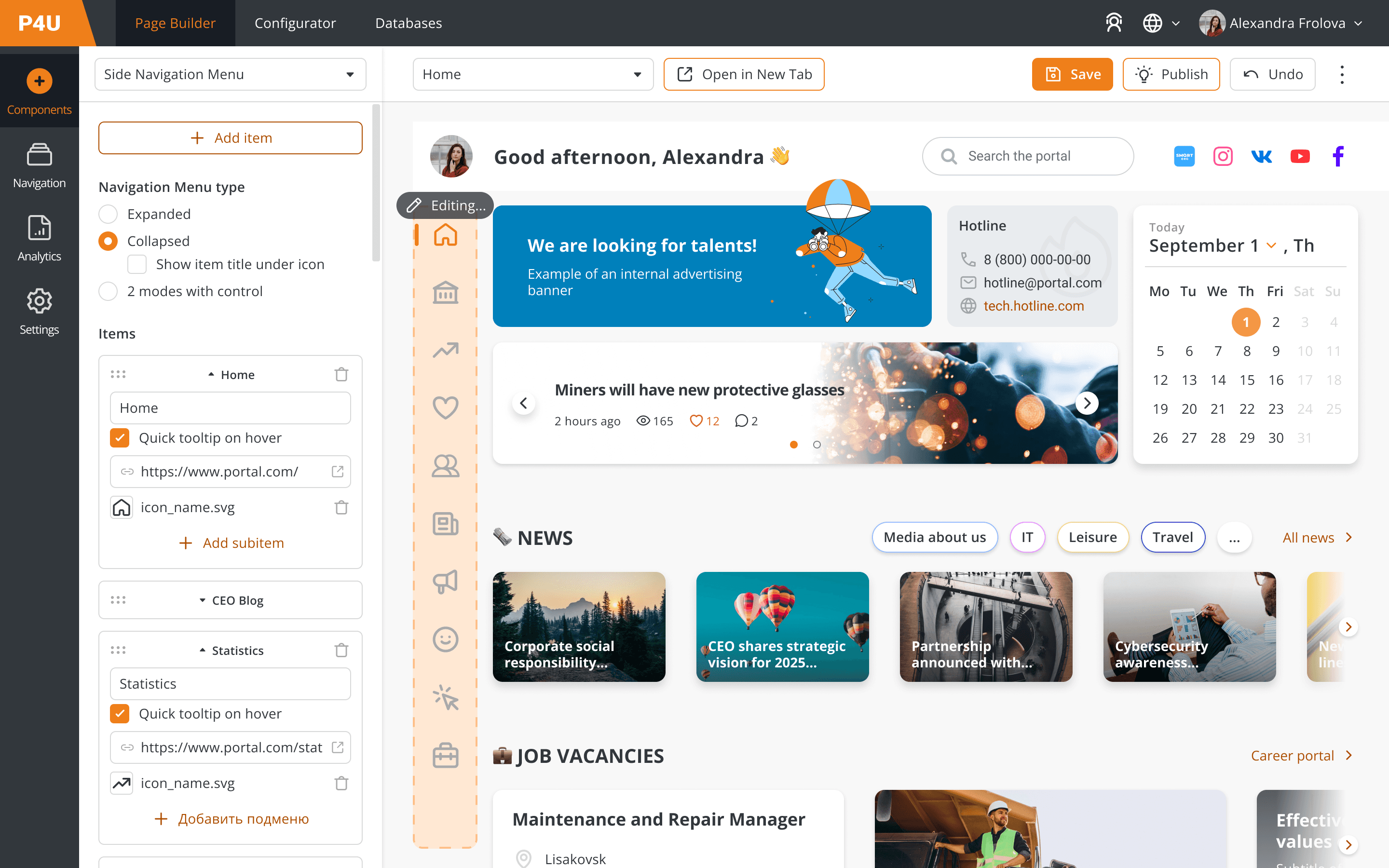
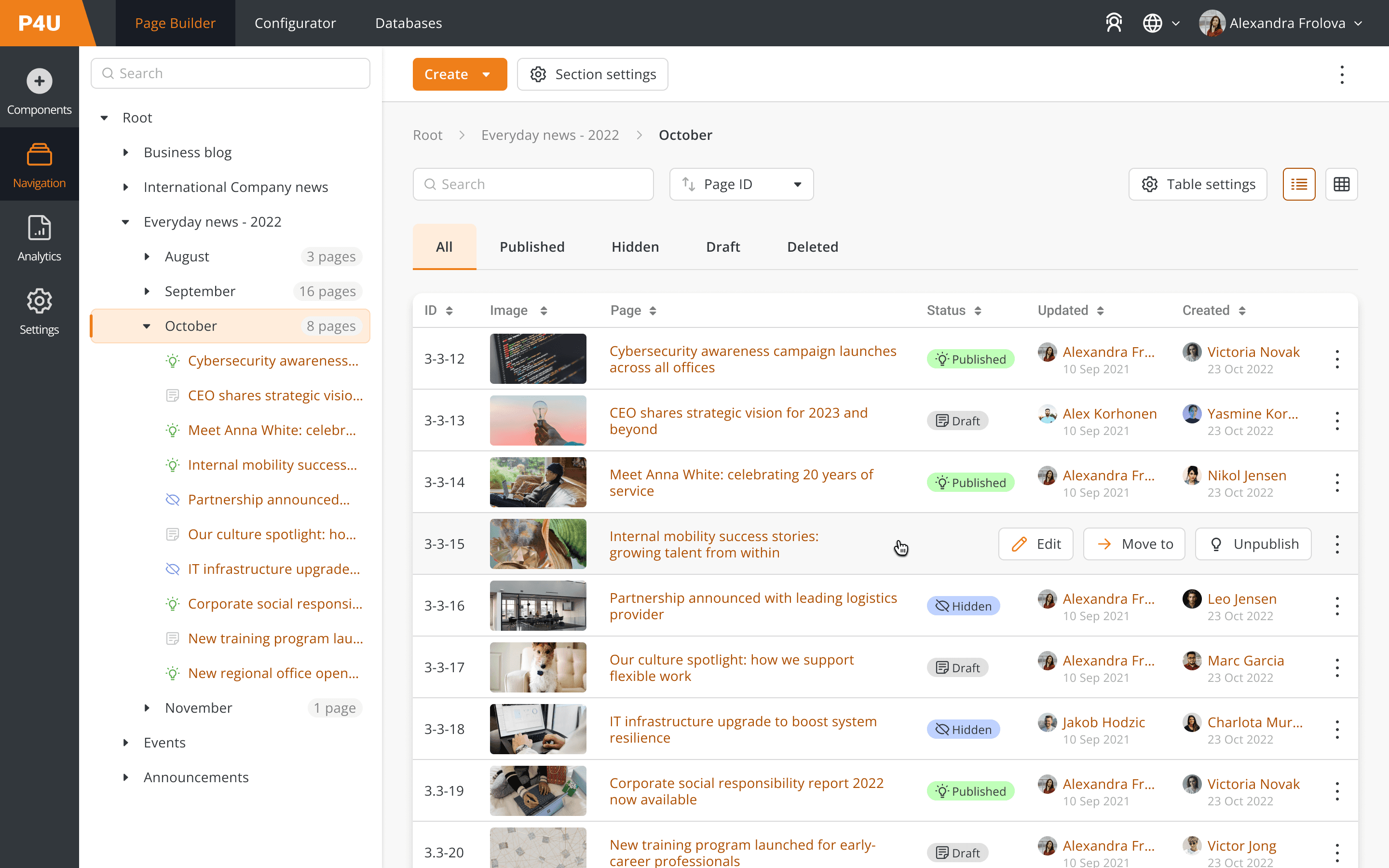
There was an idea: to create a corporate portal. But not just a developed solution for a stereotypical website with business news and an admin dashboard. We wanted to design and develop our own custom web portal builder with pre-defined customizable blocks and elements.

Home page, news, albums, widgets, cloud, calendar - you name it. So I designed for three types of users: for regular employees (view only), for content creators (create new items and edit existing ones), and for admins (develop the platform structure, dependencies, rights, and page templates).

30%

boost in idea analysis speed

35%

reduction in new system development by implementing a design system

30%

boost in idea analysis speed

35%

reduction in new system development by implementing a design system

30%

boost in idea analysis speed

35%

reduction in new system development by implementing a design system

If you ask me what the biggest challenge was, I would probably tell you that it was fighting the desire to do everything with UX best practices. Because we had no strict deadlines and we had permission to do a lot of things. But when you have 100+ features in less than 1 year, so, I as a designer have to choose.

I used the principle of hand drawing: first, you mark the whole object, then you dive into the details. For each feature, there were 2-3 levels of difficulty, depending on how much time we wanted to spend on it. Maybe sometimes it was too ambitious for us to develop, for example, 15 types of questionnaire widgets instead of 3.

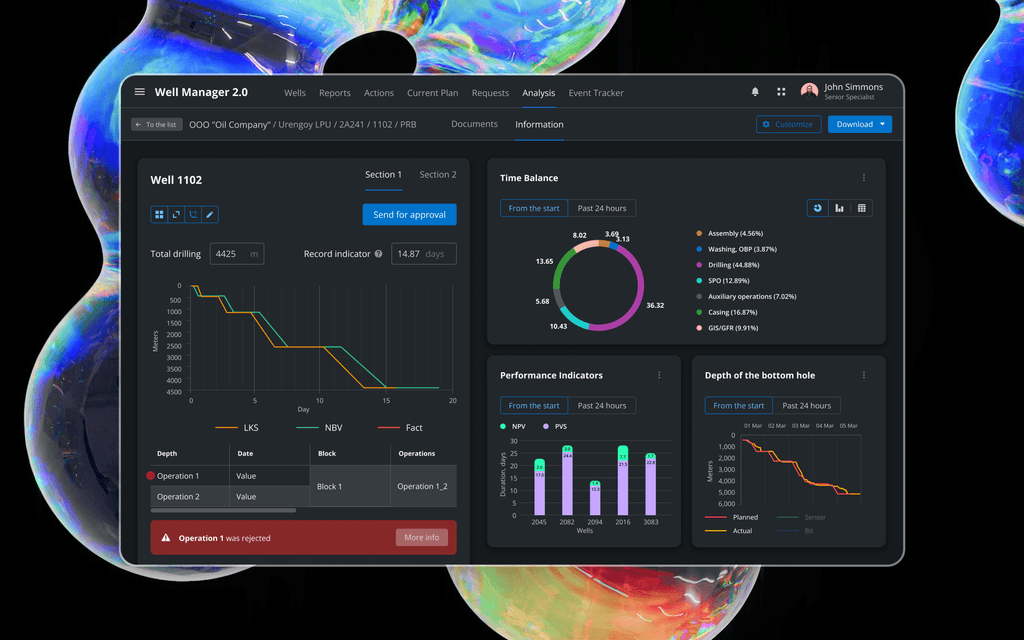
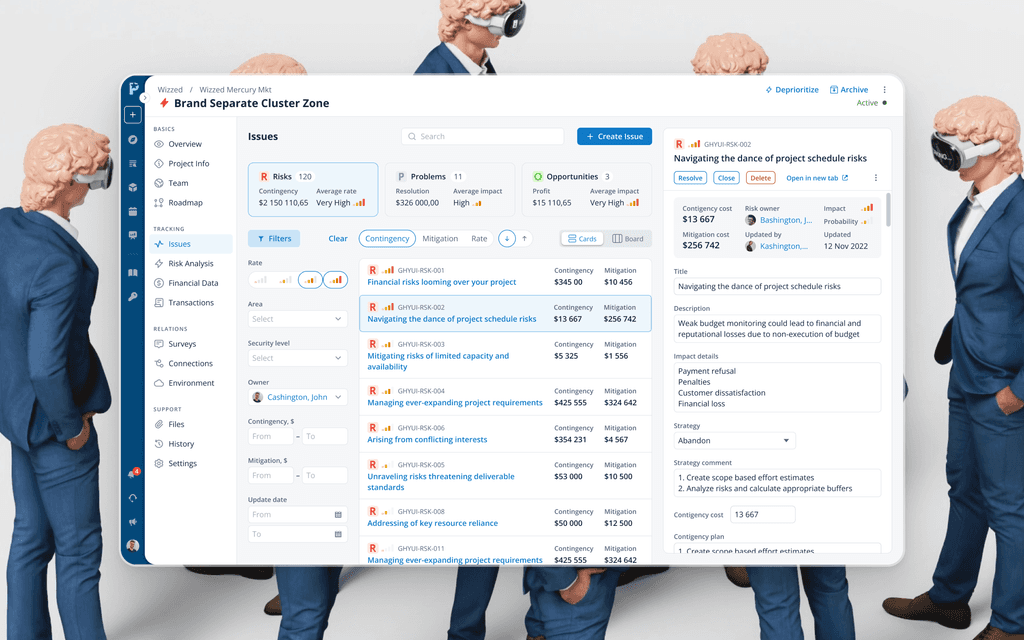
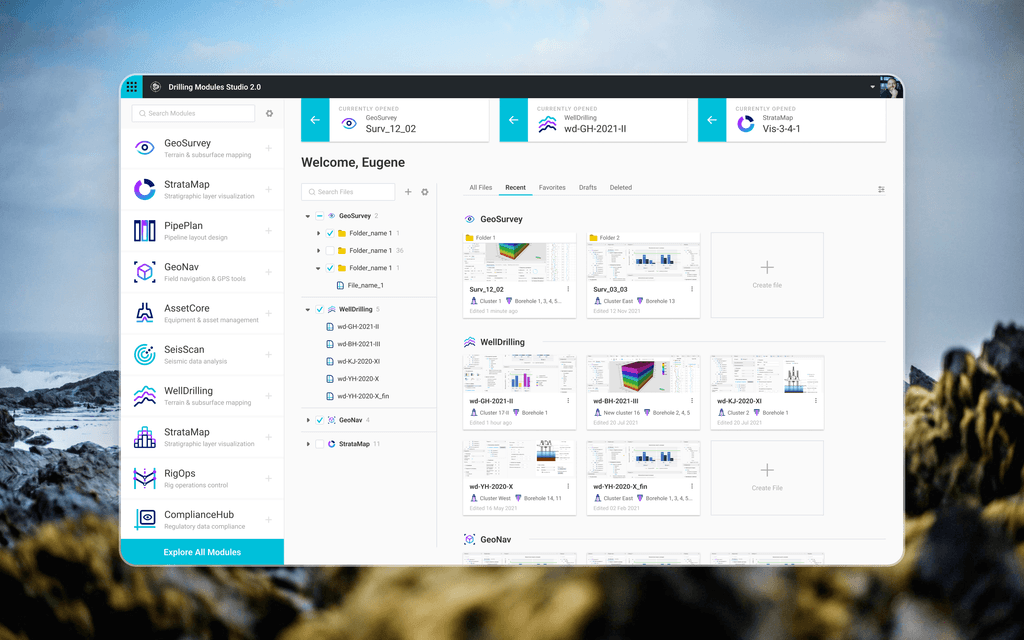
NDA disclaimer: The images shown on this page are drafts, concepts or high-fidelity wireframes and do not reflect the final product. All names, numbers, titles, charts, and other data are fictitious.

NDA disclaimer: The images shown on this page are drafts, concepts or high-fidelity wireframes and do not reflect the final product. All names, numbers, titles, charts, and other data are fictitious.

NDA disclaimer: The images shown on this page are drafts, concepts or high-fidelity wireframes and do not reflect the final product. All names, numbers, titles, charts, and other data are fictitious.