Goals

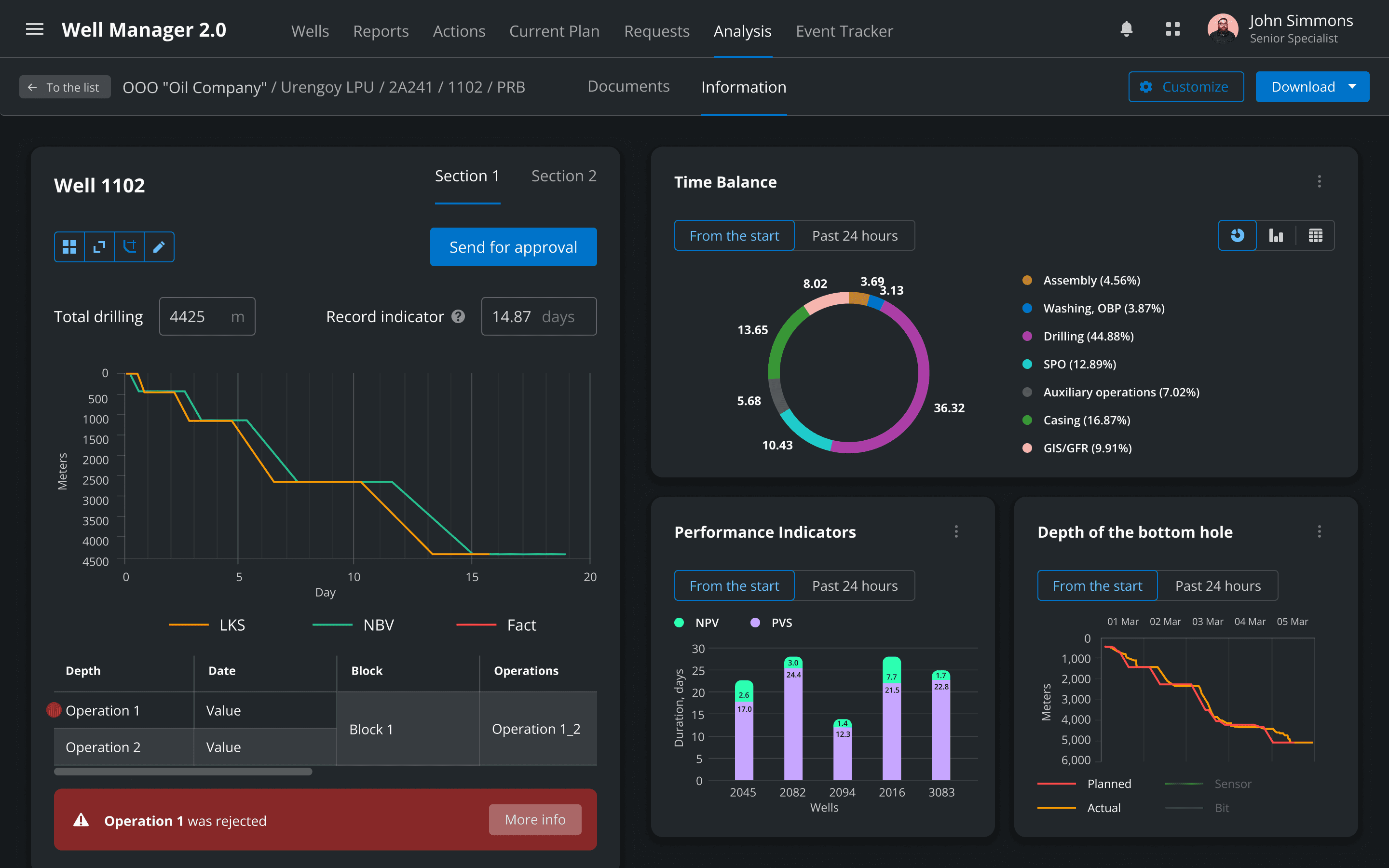
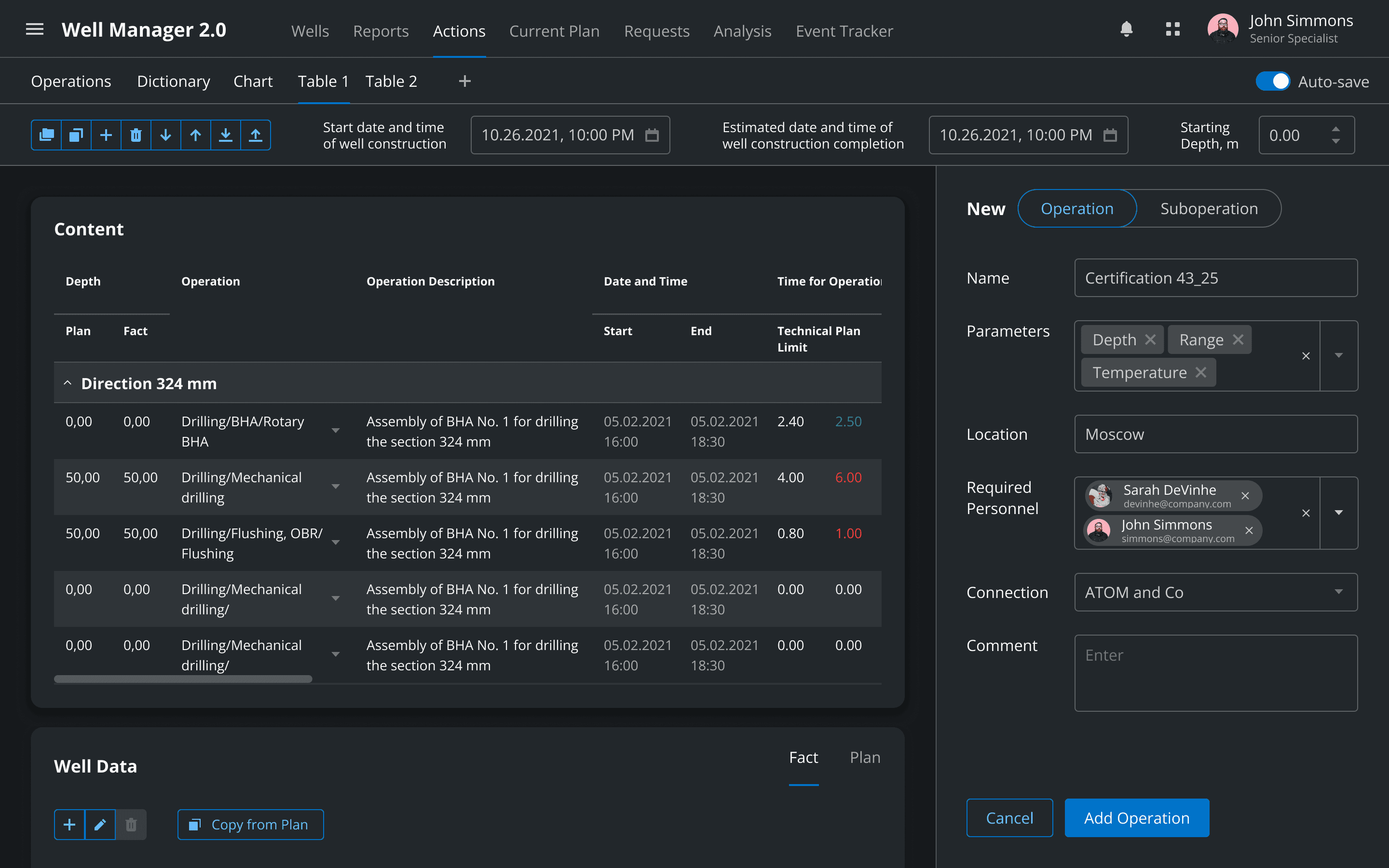
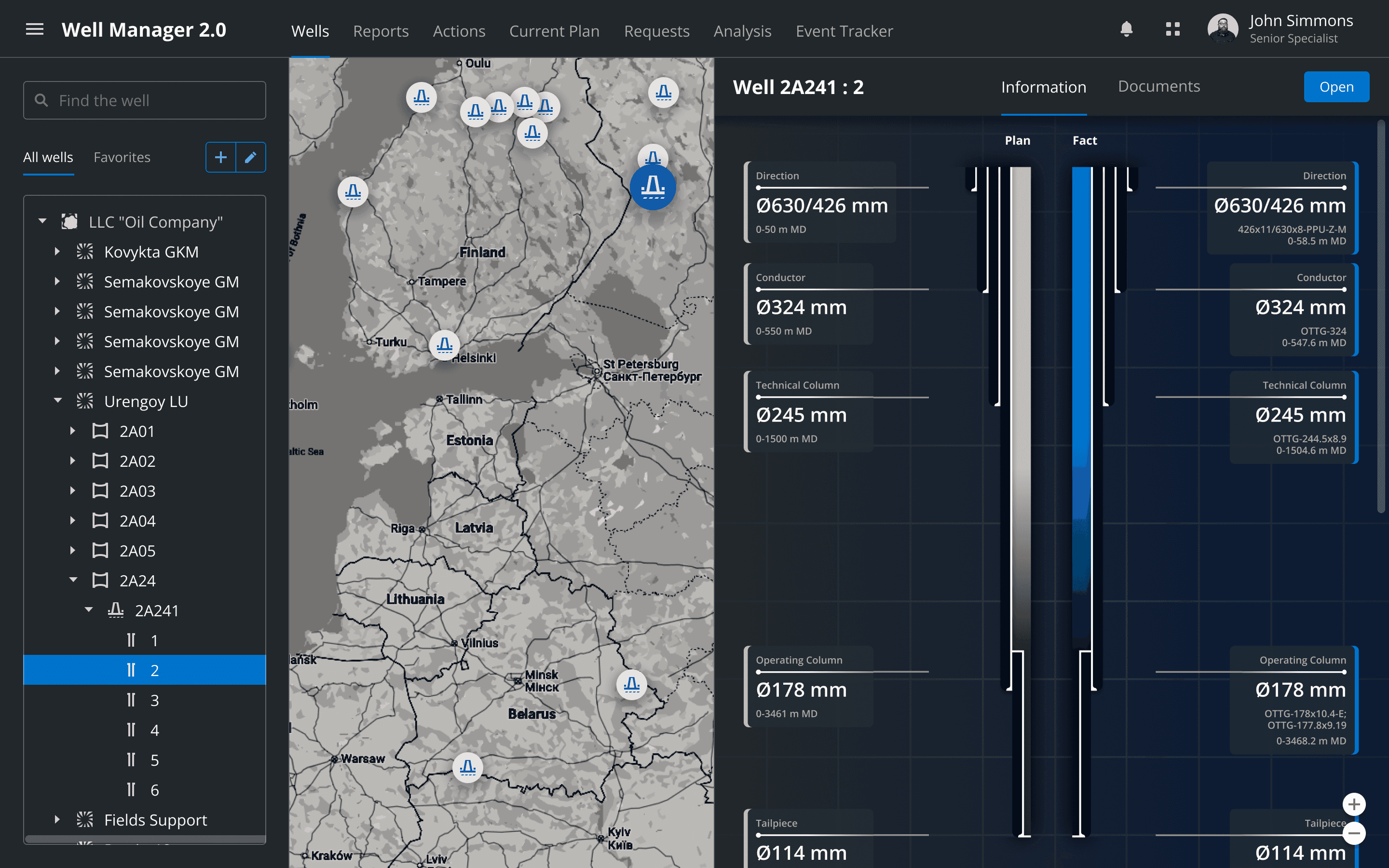
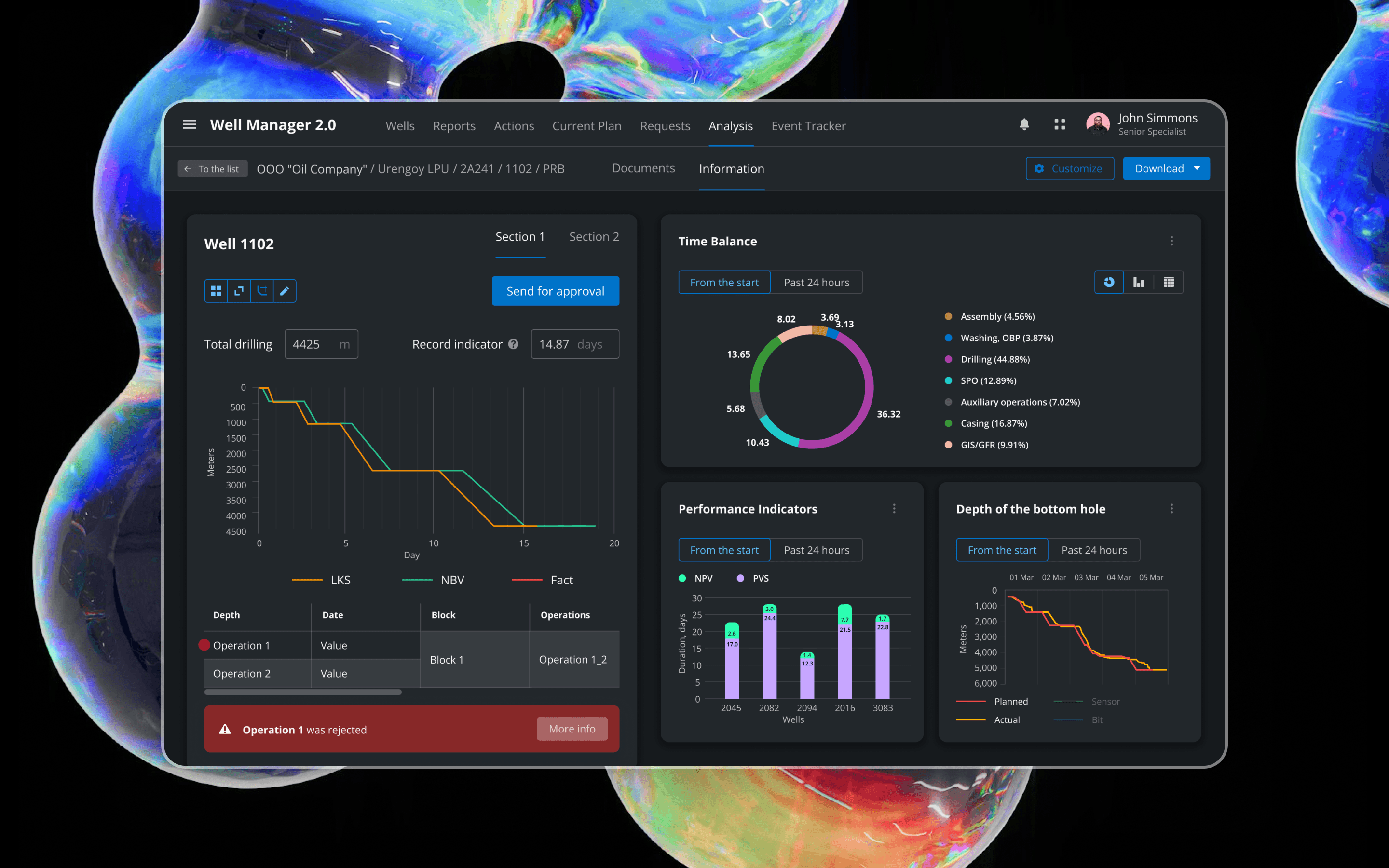
Design a web application MVP for a bidding process targeting a top-tier client.

- Ensured all customer requirements were met,
- Exclusively utilized the customer's design system for product design,
- Secured the tender.

My role

- UI/UX design
- Wireframes / Prototypes
- Design hand-off
- Presentations
- Team consultancy

Team

- Project Manager
- Analyst
- UX/Product Designer
- 2 Developers
- 2 Industrial Engineers

Result

Prototyped an MVP within the client's design framework, outperforming 80% of competitors in the tender process.

Users

Oil professionals that to track and analyze processes in wells.

Challenges

- No access to the client and no way to conduct the interviews,
- All industry and business decisions were internally managed by our team of engineers.

Duration

2 month

Tools

Figma, Jira, Consta Design System
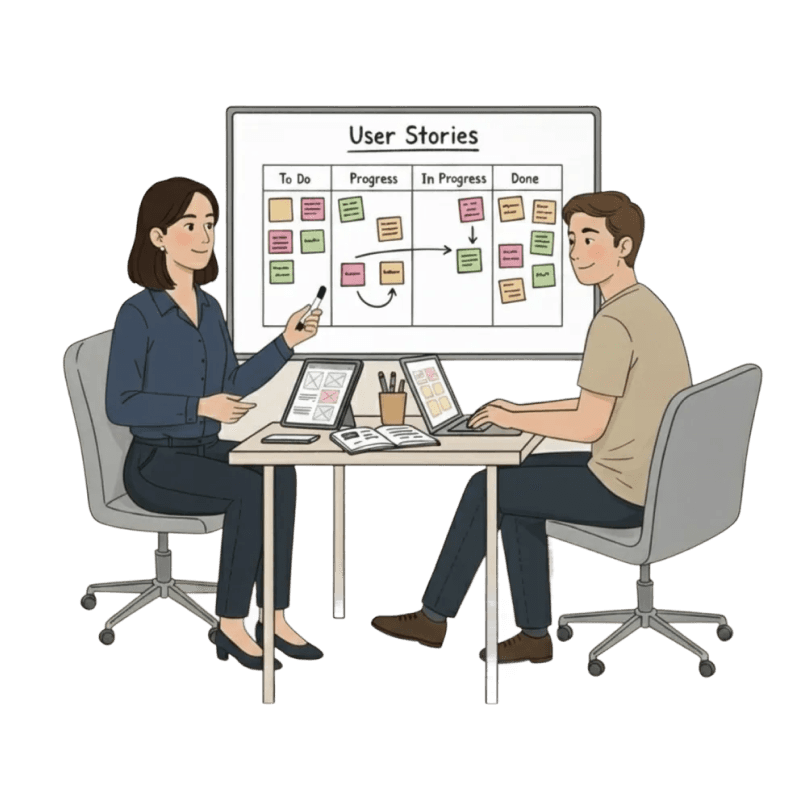
Show design process

Task

It can come from:

Client
Big conceptual undefined requests.

Product Owner
User stories that need analysis, targeted on business needs.

Myself
Features and tunings to improve UX of final users.

Tasks can be:

Simple
You just do it. All the other team knows exactly how to do it.

Complex
Nobody knows what the result will be, me included. These 30% of tasks - fuel for number of ideation workshops, analysis, iteration, user research and hours of discussions.

Draft & users

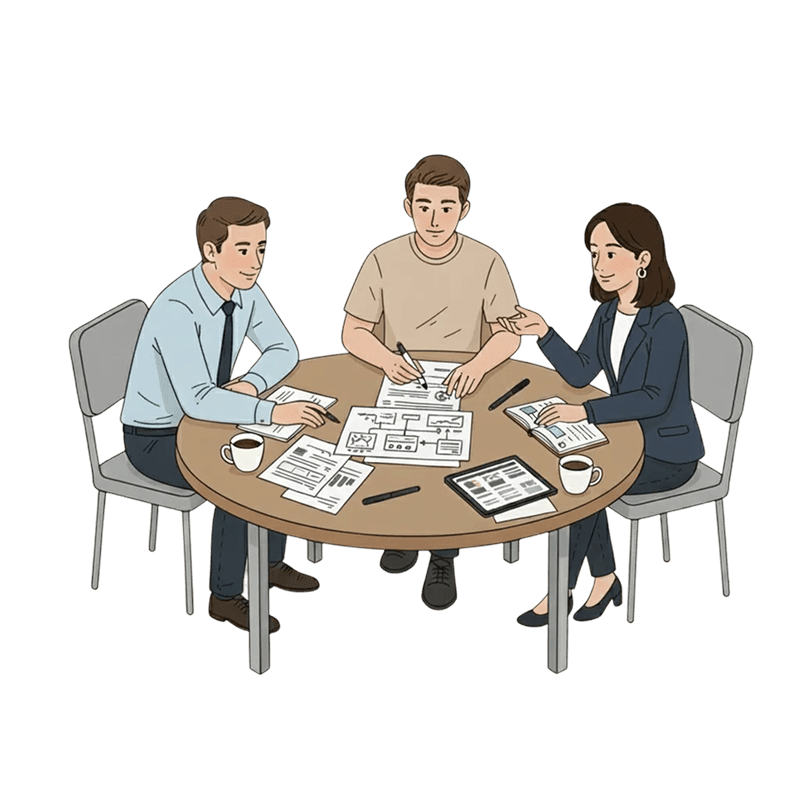
If task is "simple", I have two checks of wireframes:

With Product Owner
If design answered business requirements.

With developers
If we can simplify design (without losing in UX) to speed up time to market.

If task is "complex", plus to those two I also have:

Brainstorm session with client
Sometimes it about them reinventing the whole business process. Sometimes it me to guide them into the right direction.

User interviews
30-minutes calls with users where they perform some tasks on clickable prototype. Depends on my hypothesis proven or rejected, the Draft stage can have another iteration.

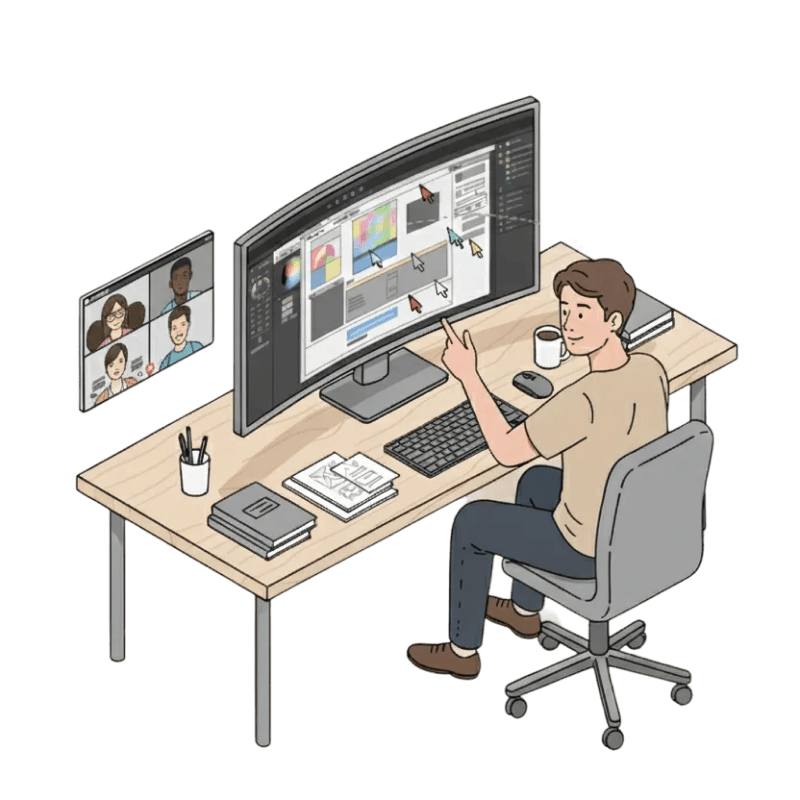
UI & hand-off

90% of time
I work with predefined design systems. So I build the entire UI from its components.

10% of time -
some unique solutions where discussion with developers is needed.

After we discussed the final design with the team, I prepare mockups (flows, comments, documentation if needed).

When someone starts to work on this task in sprint they invite me on the tasks kick-off, where we check everything we need to do.

After the task is ready, I have a design review during the task demo or myself on the dev stage.

Release

As I work in-house, I have control on what happens after the release.

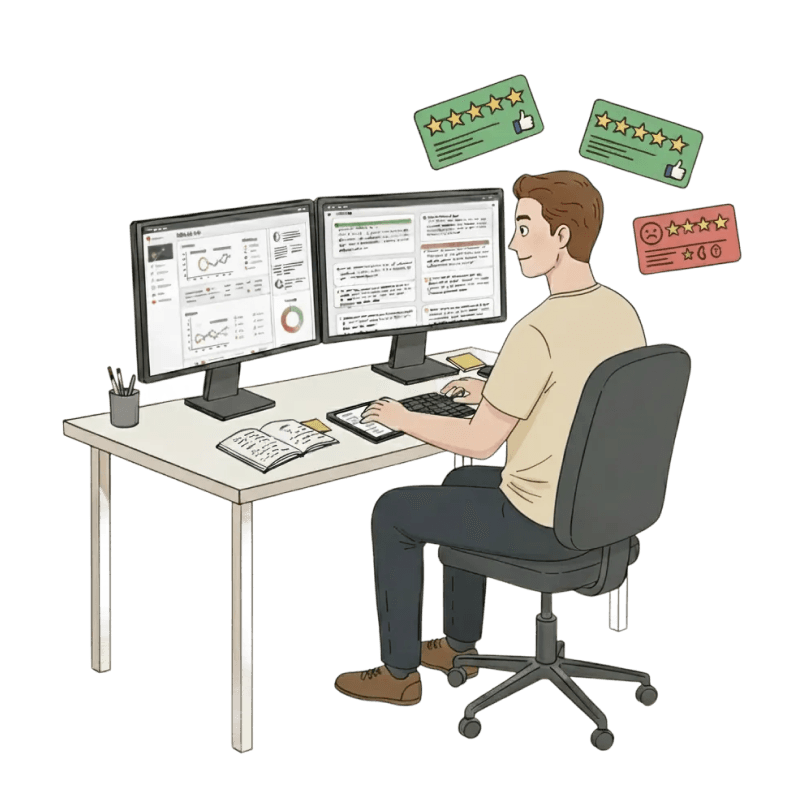
If feedback is negative and prioritized, I analys it it and go on the next iteration of design.

If feedback is positive, I can propose that new feature/pattern/flow for another product in our ecosystem. Yes, I test design innovations on selected products before the whole-ecosystem implementation.

Task

It can come from:

Client
Big conceptual undefined requests.

Product Owner
User stories that need analysis, targeted on business needs.

Myself
Features and tunings to improve UX of final users.

Tasks can be:

Simple
You just do it. All the other team knows exactly how to do it.

Complex
Nobody knows what the result will be, me included. These 30% of tasks - fuel for number of ideation workshops, analysis, iteration, user research and hours of discussions.

Draft & users

If task is "simple", I have two checks of wireframes:

With Product Owner
If design answered business requirements.

With developers
If we can simplify design (without losing in UX) to speed up time to market.

If task is "complex", plus to those two I also have:

Brainstorm session with client
Sometimes it about them reinventing the whole business process. Sometimes it me to guide them into the right direction.

User interviews
30-minutes calls with users where they perform some tasks on clickable prototype. Depends on my hypothesis proven or rejected, the Draft stage can have another iteration.

UI & hand-off

90% of time
I work with predefined design systems. So I build the entire UI from its components.

10% of time -
some unique solutions where discussion with developers is needed.

After we discussed the final design with the team, I prepare mockups (flows, comments, documentation if needed).

When someone starts to work on this task in sprint they invite me on the tasks kick-off, where we check everything we need to do.

After the task is ready, I have a design review during the task demo or myself on the dev stage.

Release

As I work in-house, I have control on what happens after the release.

If feedback is negative and prioritized, I analys it it and go on the next iteration of design.

If feedback is positive, I can propose that new feature/pattern/flow for another product in our ecosystem. Yes, I test design innovations on selected products before the whole-ecosystem implementation.

Show design process

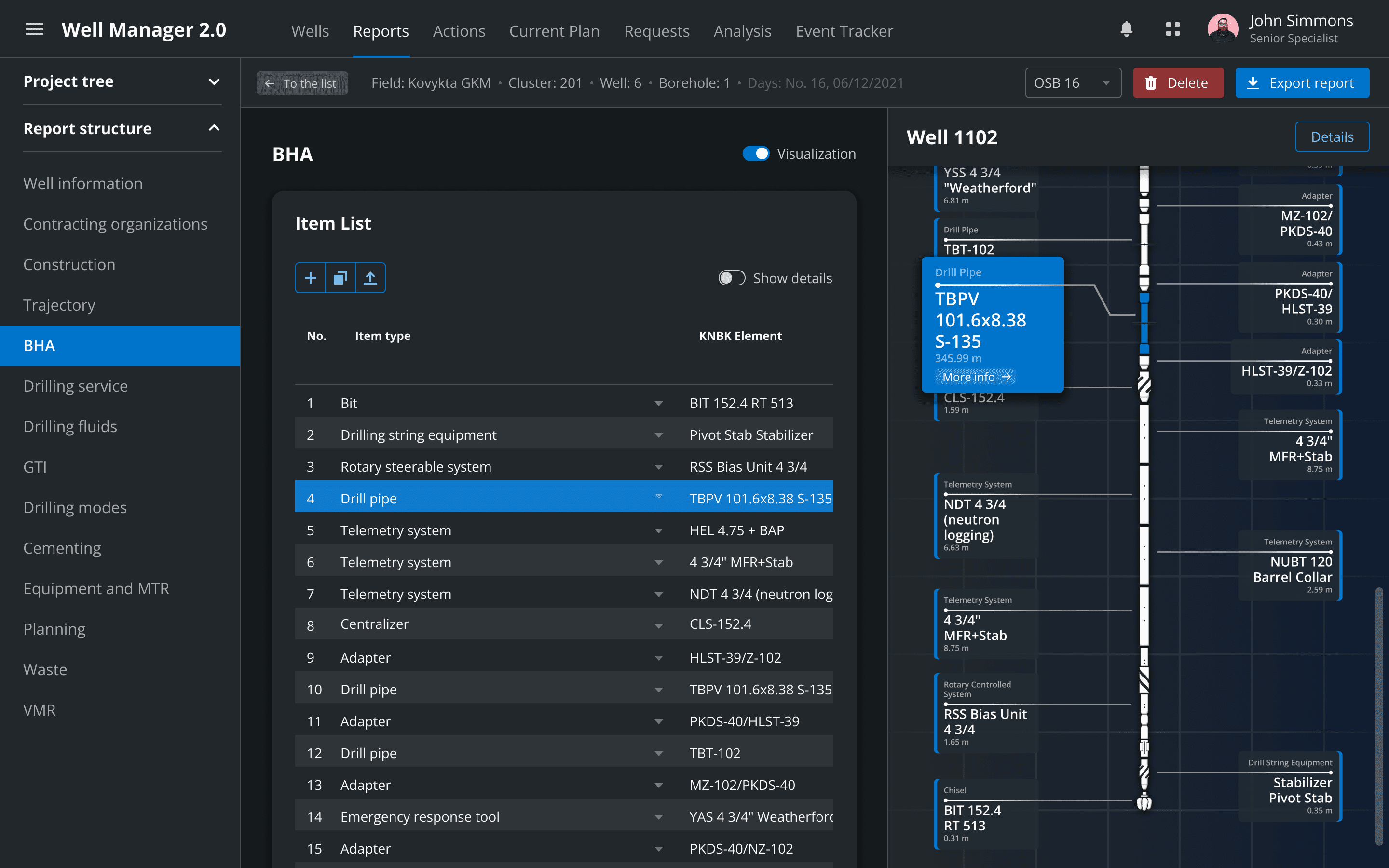
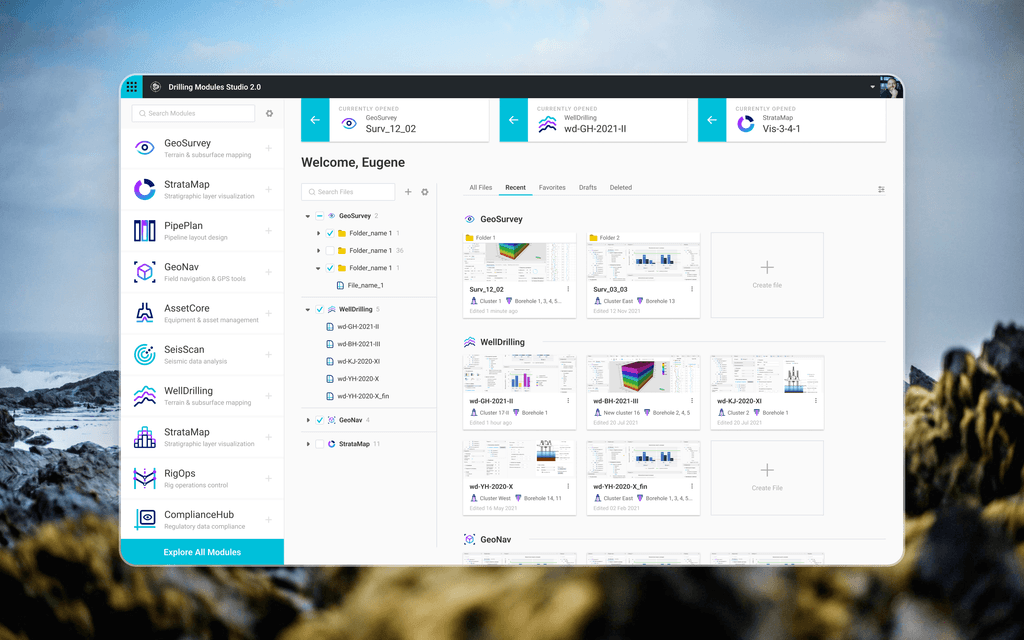
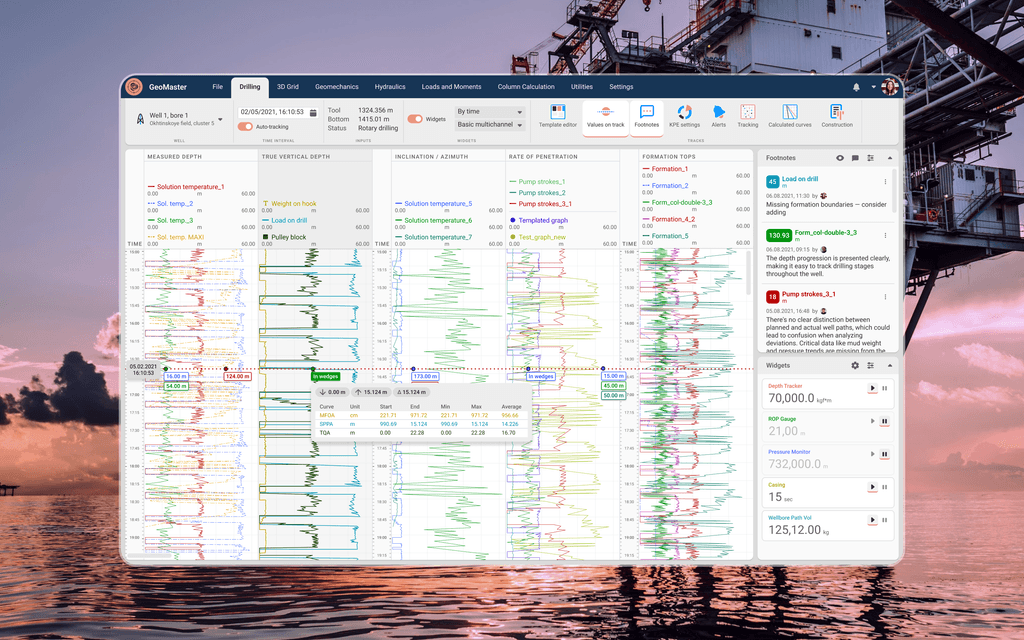
Long explanations short: it's a massive tool for geodetic calculations, research and study of what happens with wells and drills underground. And also about the underground itself.

There was already working software that needed to be improved. I developed the design system, the rules, and designed new features that were released in new versions. Some of them are unique for this kind of tools, so I hope it helped in sales.

30%

boost in idea analysis speed

35%

reduction in new system development by implementing a design system

30%

boost in idea analysis speed

35%

reduction in new system development by implementing a design system

30%

boost in idea analysis speed

35%

reduction in new system development by implementing a design system

Of course, you can't design such a thing with the same approach as designing an e-com or Instagram-like app or delivery service.


Geodesy and engineering is a vast field where you need to have a consultants. And our team had one. Together with business analysts and geodetic engineers, we dove into the processes, broke everything down into steps and redesigned it for the pro users.

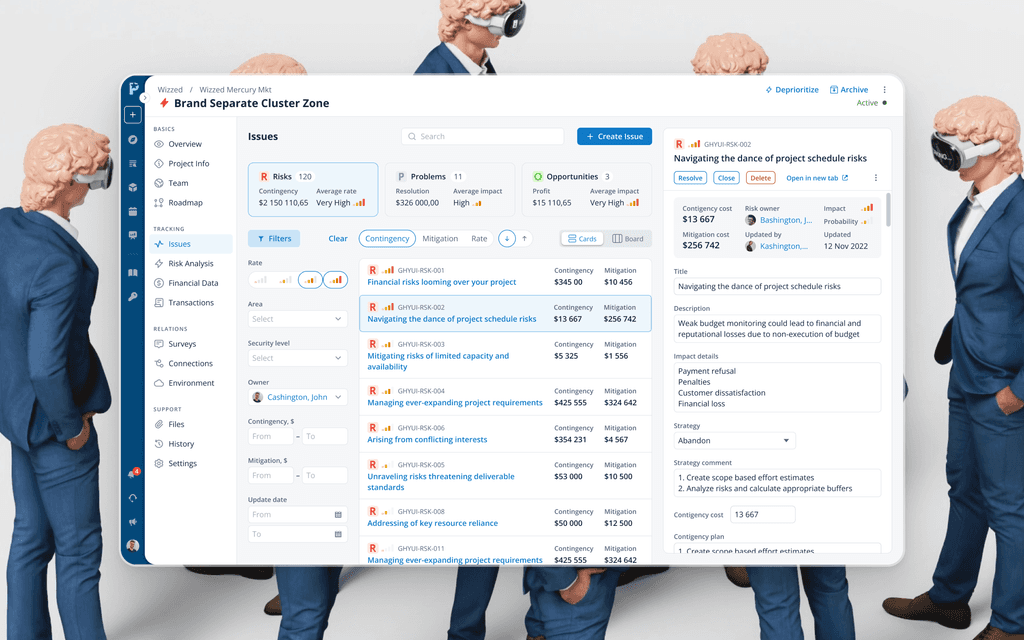
NDA disclaimer: The images shown on this page are drafts, concepts or high-fidelity wireframes and do not reflect the final product. All names, numbers, titles, charts, and other data are fictitious.

NDA disclaimer: The images shown on this page are drafts, concepts or high-fidelity wireframes and do not reflect the final product. All names, numbers, titles, charts, and other data are fictitious.

NDA disclaimer: The images shown on this page are drafts, concepts or high-fidelity wireframes and do not reflect the final product. All names, numbers, titles, charts, and other data are fictitious.