Goals

Consolidate numerous tools into one ERP system.

- Minimize reliance on third-party tools,
- Streamline scalability from technical and UX standpoints,
- Lower maintenance expenses by promoting in-house solutions,
- Enforce corporate visual language and design system,
- Enhance UX and ensure alignment with other enterprise systems.

My role

- UI/UX/Product design
- User research
- Wireframes / Prototypes
- Design hand-off
- Presentations
- Feature proposals,
- UI kit development
- Team consultancy

Team

- Product Owner
- 2 Analysts
- UX/Product Designer
- 4 Developers
- 2 QA
- 15 stakeholders
- Consultants from other teams

Duration

1 year

Tools

Figma, Miro, Jira, Confluence

Result

Re-engineered the ERP by consolidating over 15+ modules, eliminating 3 legacy platforms, and cutting 100% of maintenance costs. Established the visual language, with ongoing work post my departure.

Users

It's a complex ERP (enterprise resource planning) system, essential for every thriving business. Targeting all employees, we recognize two distinct user groups:

1. Requesters requiring a swift access to features, easy form filling, status tracking, and prompt feedback,
2. Reviewers and managers needed a streamlined UI to efficiently process requests in bulk.

We adopted a paradigm where nearly every functionality boasts a dual UI approach to cater to both user groups effectively.

Challenges

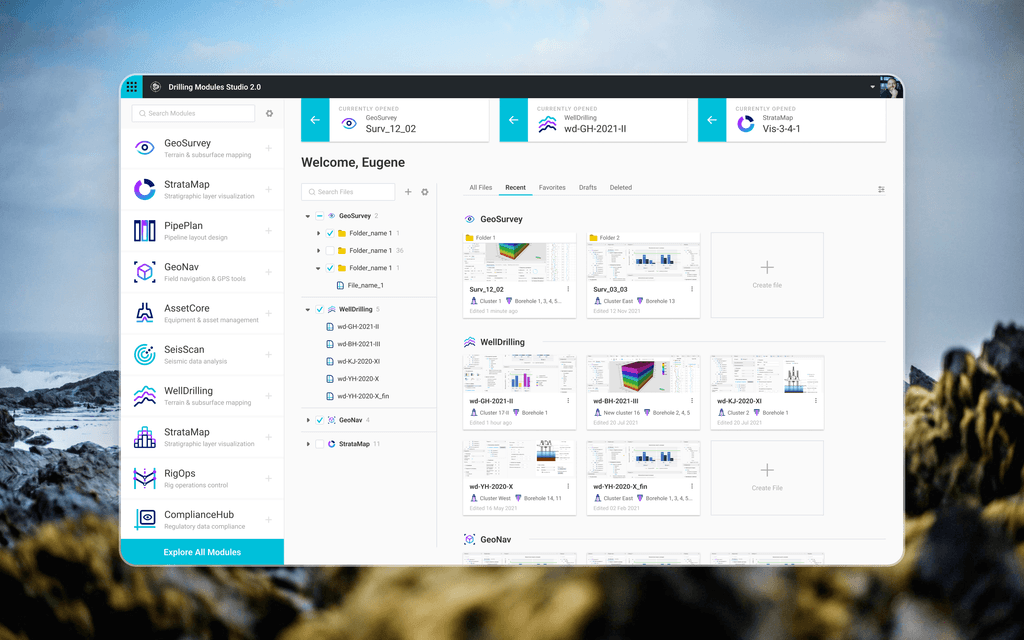
Before consolidating the "big tools," each function operated as a separate application with its framework, requirements, and distinct UX/UI, leading to inconsistencies across the board.
Show design process

Task

It can come from:

Client
Big conceptual undefined requests.

Product Owner
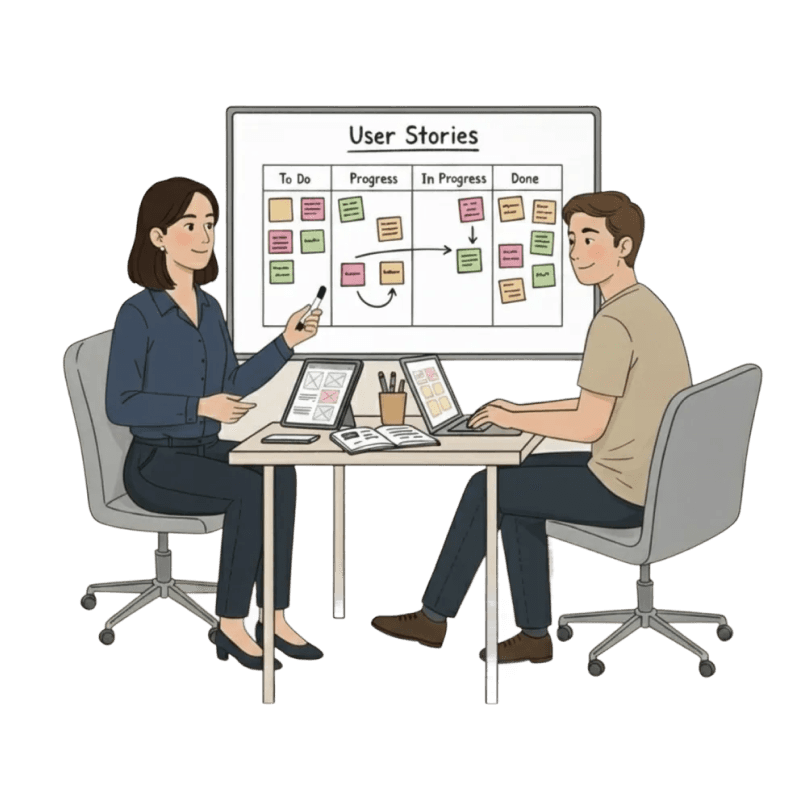
User stories that need analysis, targeted on business needs.

Myself
Features and tunings to improve UX of final users.

Tasks can be:

Simple
You just do it. All the other team knows exactly how to do it.

Complex
Nobody knows what the result will be, me included. These 30% of tasks - fuel for number of ideation workshops, analysis, iteration, user research and hours of discussions.

Draft & users

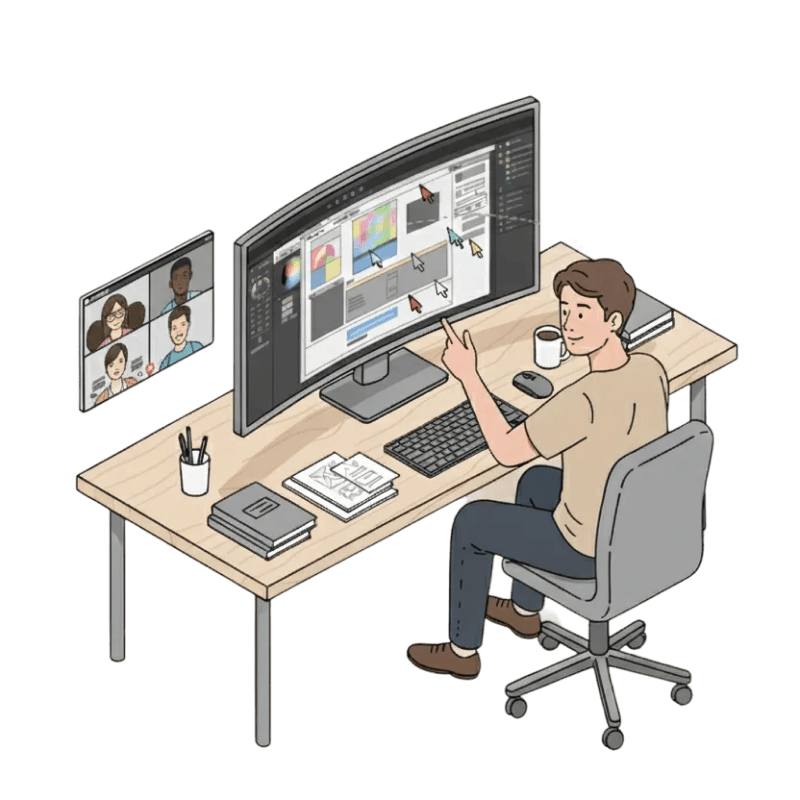
If task is "simple", I have two checks of wireframes:

With Product Owner
If design answered business requirements.

With developers
If we can simplify design (without losing in UX) to speed up time to market.

If task is "complex", plus to those two I also have:

Brainstorm session with client
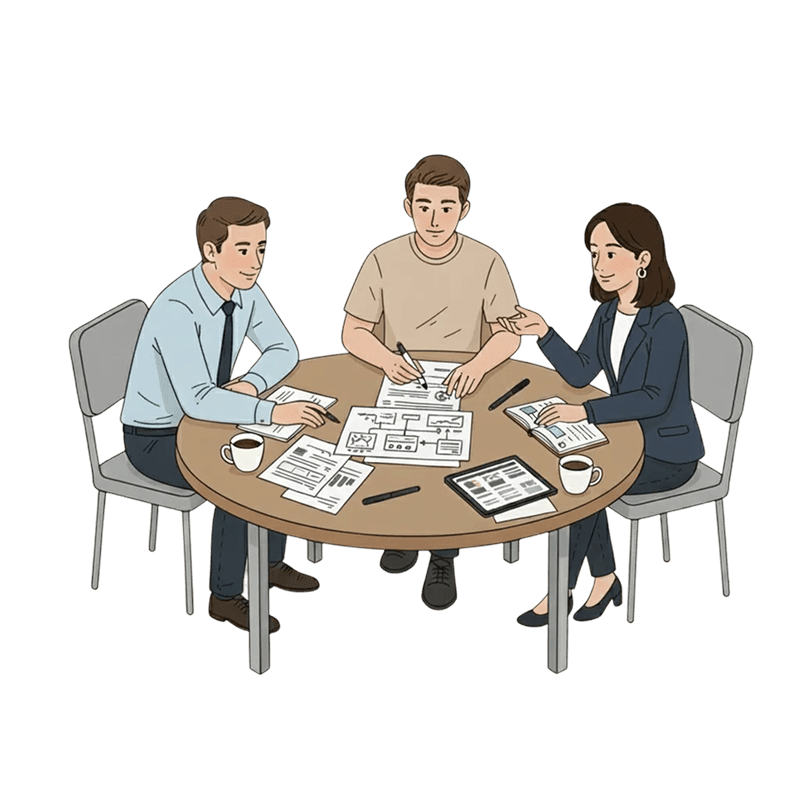
Sometimes it about them reinventing the whole business process. Sometimes it me to guide them into the right direction.

User interviews
30-minutes calls with users where they perform some tasks on clickable prototype. Depends on my hypothesis proven or rejected, the Draft stage can have another iteration.

UI & hand-off

90% of time
I work with predefined design systems. So I build the entire UI from its components.

10% of time -
some unique solutions where discussion with developers is needed.

After we discussed the final design with the team, I prepare mockups (flows, comments, documentation if needed).

When someone starts to work on this task in sprint they invite me on the tasks kick-off, where we check everything we need to do.

After the task is ready, I have a design review during the task demo or myself on the dev stage.

Release

As I work in-house, I have control on what happens after the release.

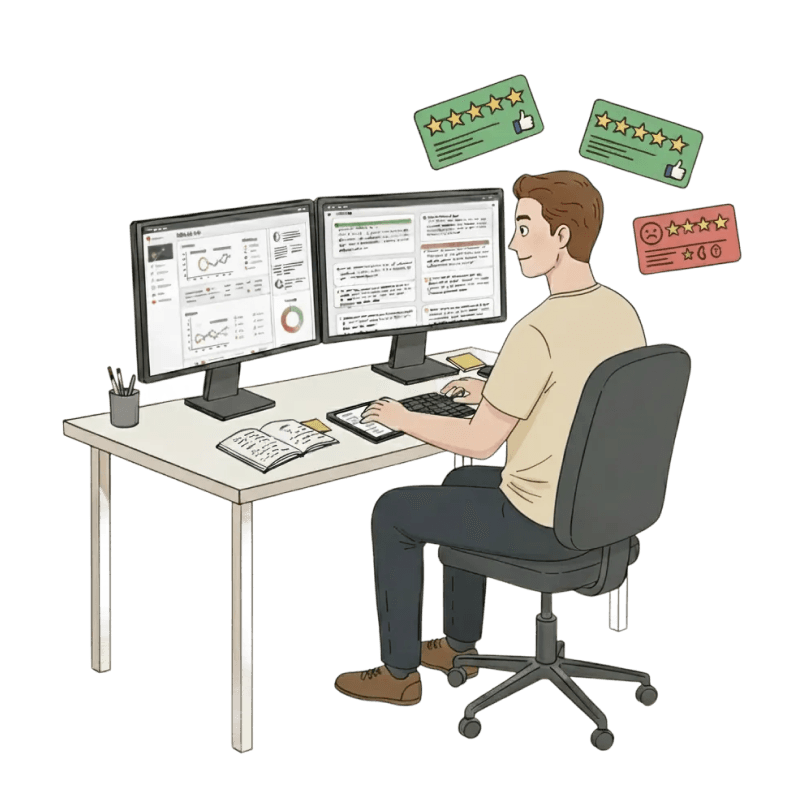
If feedback is negative and prioritized, I analys it it and go on the next iteration of design.

If feedback is positive, I can propose that new feature/pattern/flow for another product in our ecosystem. Yes, I test design innovations on selected products before the whole-ecosystem implementation.

Task

It can come from:

Client
Big conceptual undefined requests.

Product Owner
User stories that need analysis, targeted on business needs.

Myself
Features and tunings to improve UX of final users.

Tasks can be:

Simple
You just do it. All the other team knows exactly how to do it.

Complex
Nobody knows what the result will be, me included. These 30% of tasks - fuel for number of ideation workshops, analysis, iteration, user research and hours of discussions.

Draft & users

If task is "simple", I have two checks of wireframes:

With Product Owner
If design answered business requirements.

With developers
If we can simplify design (without losing in UX) to speed up time to market.

If task is "complex", plus to those two I also have:

Brainstorm session with client
Sometimes it about them reinventing the whole business process. Sometimes it me to guide them into the right direction.

User interviews
30-minutes calls with users where they perform some tasks on clickable prototype. Depends on my hypothesis proven or rejected, the Draft stage can have another iteration.

UI & hand-off

90% of time
I work with predefined design systems. So I build the entire UI from its components.

10% of time -
some unique solutions where discussion with developers is needed.

After we discussed the final design with the team, I prepare mockups (flows, comments, documentation if needed).

When someone starts to work on this task in sprint they invite me on the tasks kick-off, where we check everything we need to do.

After the task is ready, I have a design review during the task demo or myself on the dev stage.

Release

As I work in-house, I have control on what happens after the release.

If feedback is negative and prioritized, I analys it it and go on the next iteration of design.

If feedback is positive, I can propose that new feature/pattern/flow for another product in our ecosystem. Yes, I test design innovations on selected products before the whole-ecosystem implementation.

Show design process

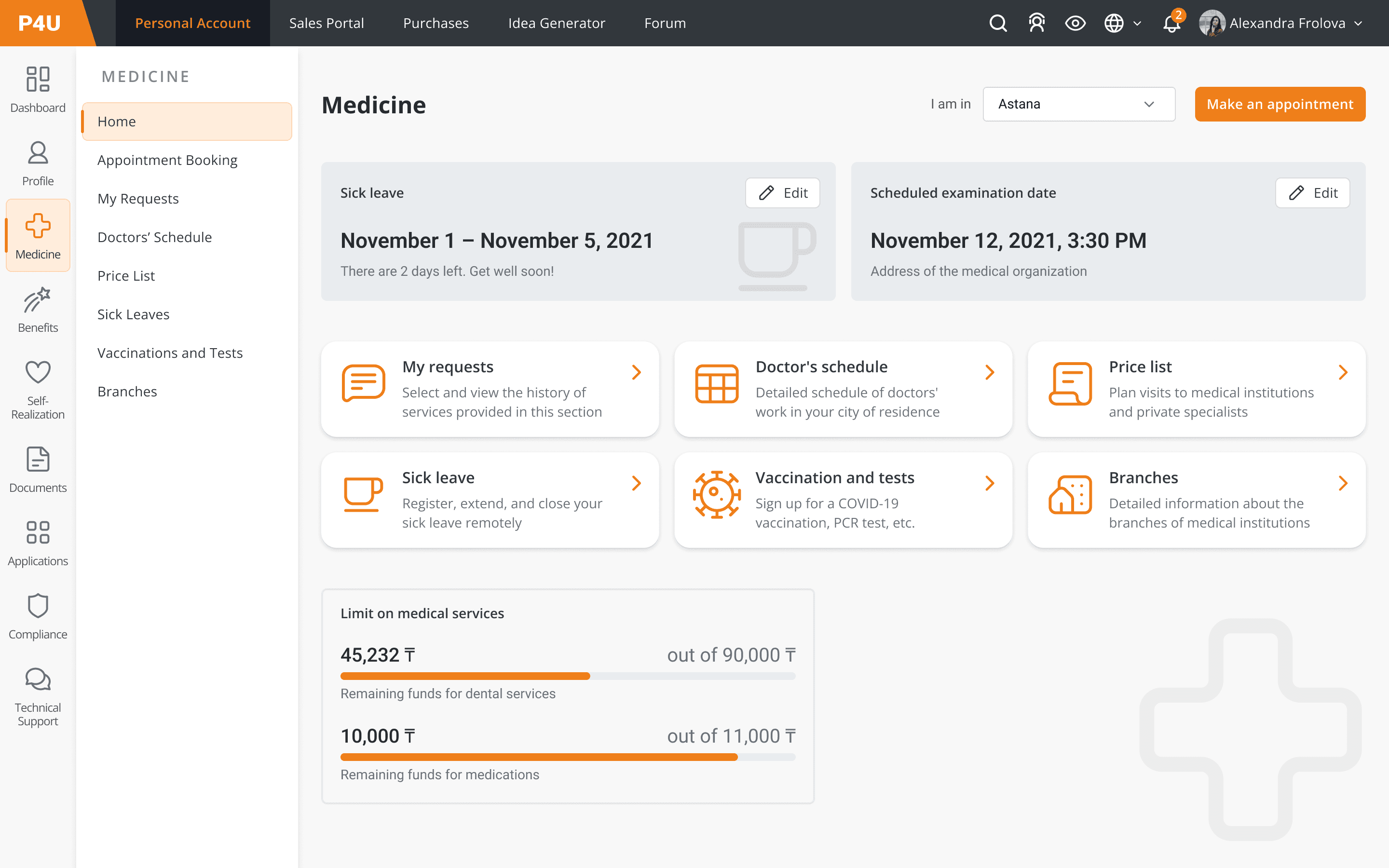
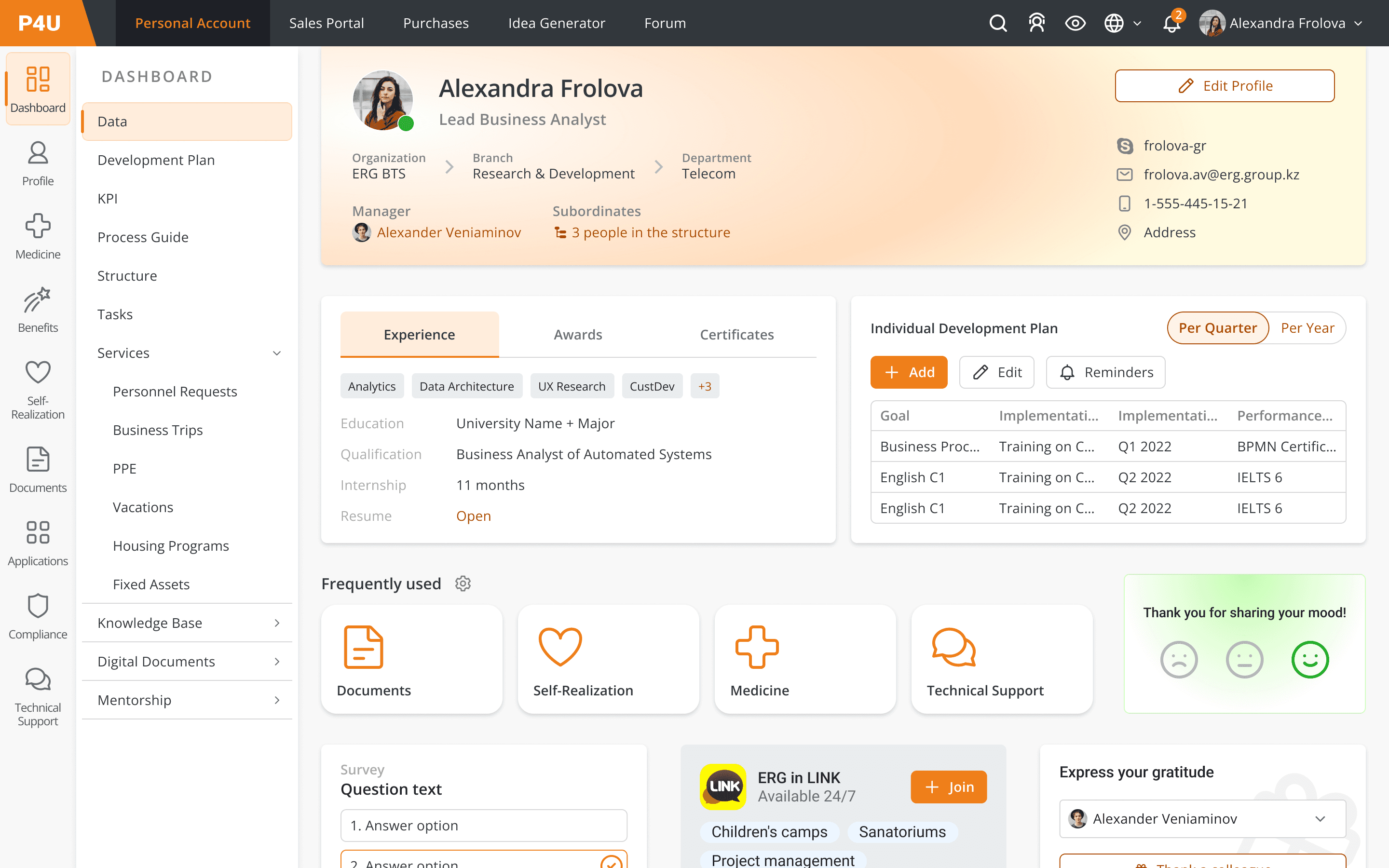
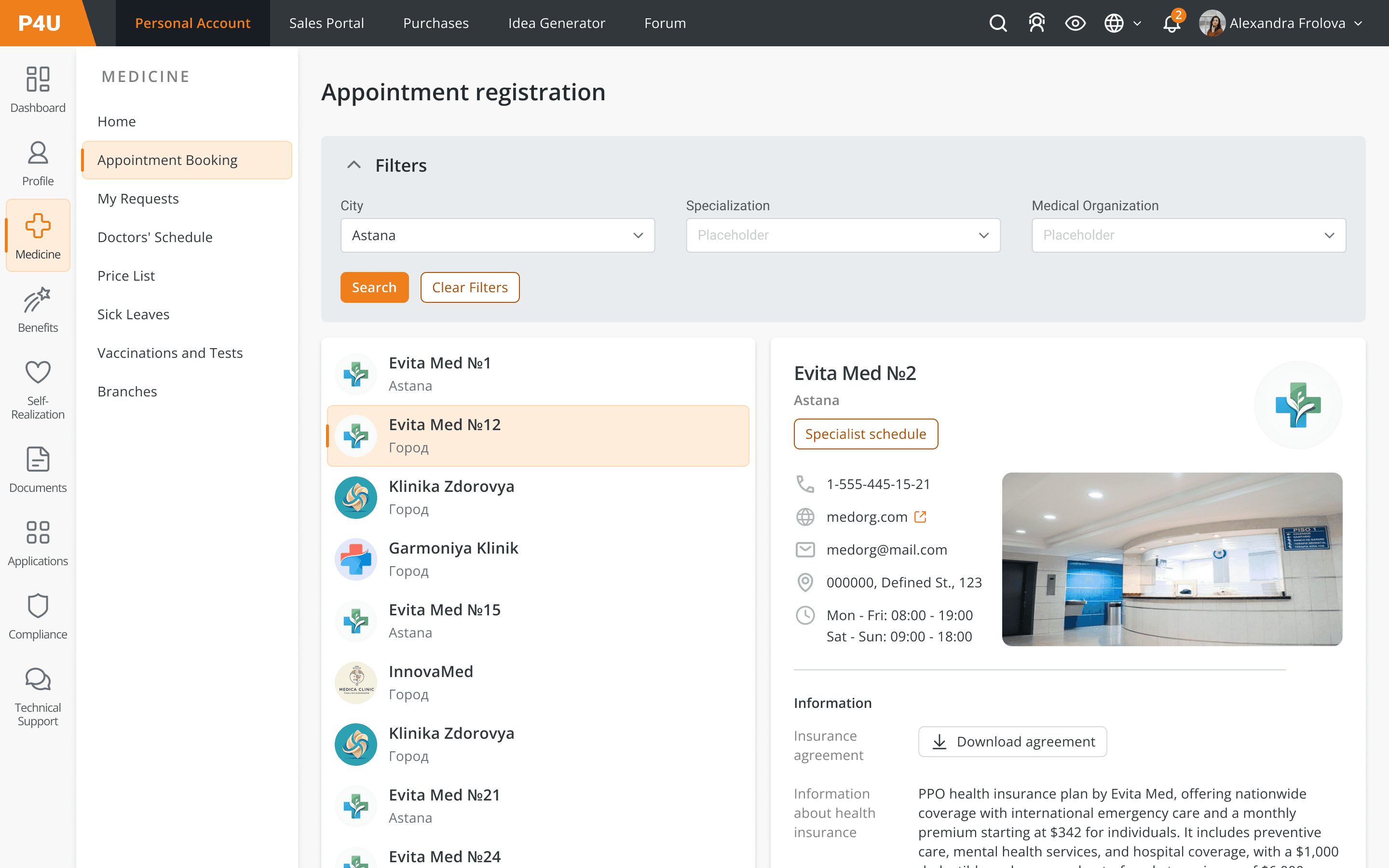
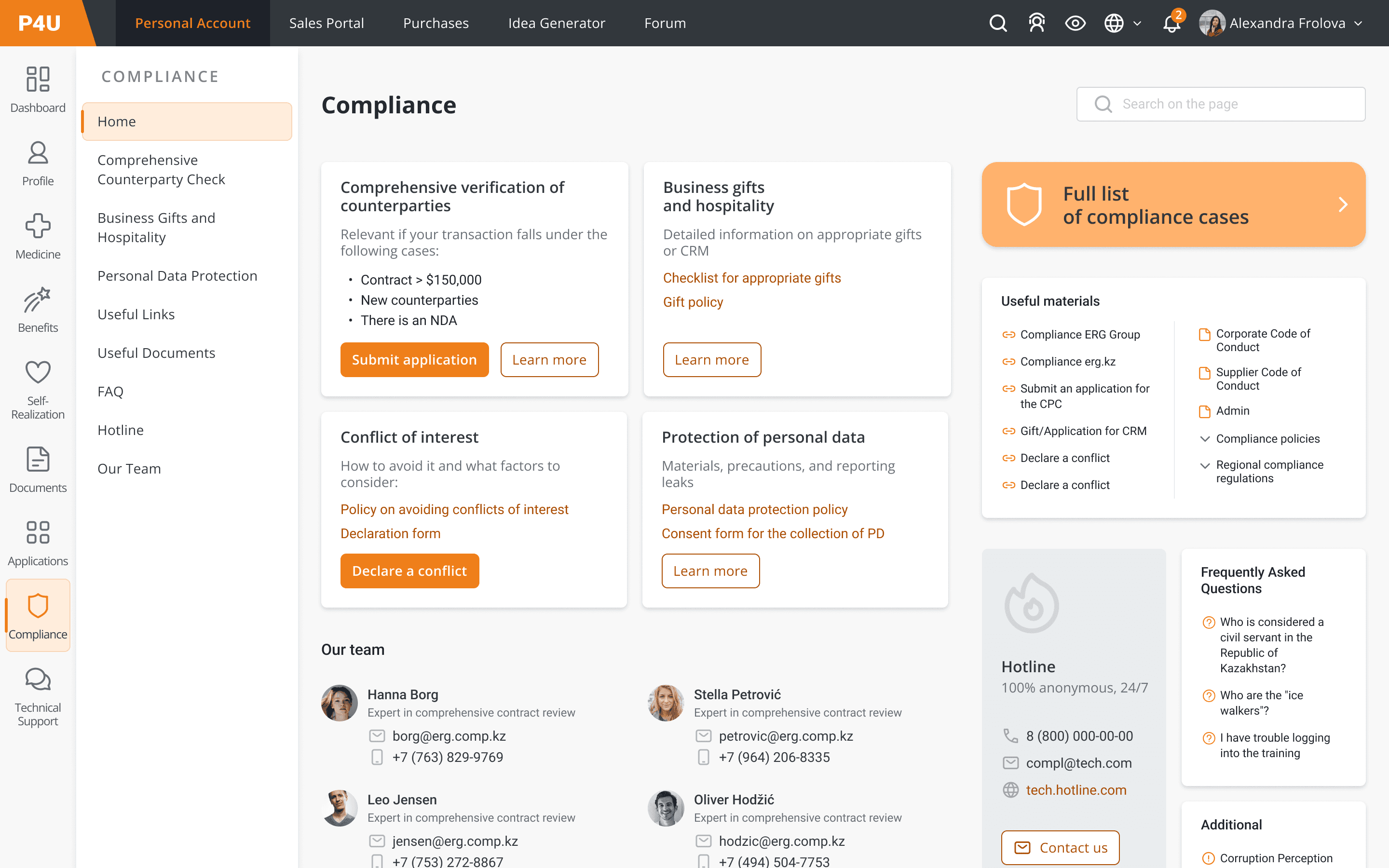
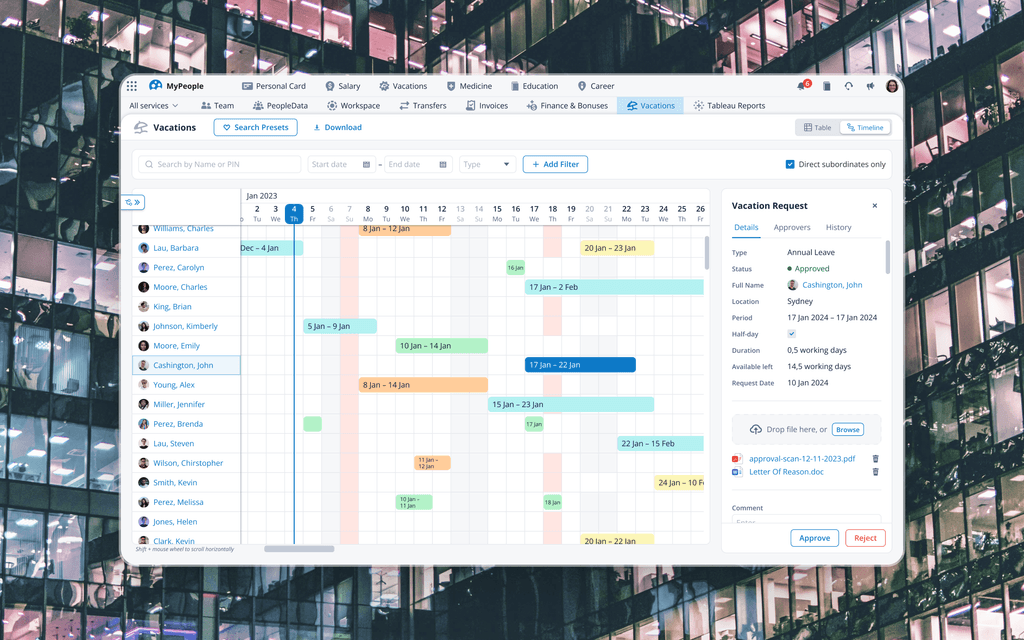
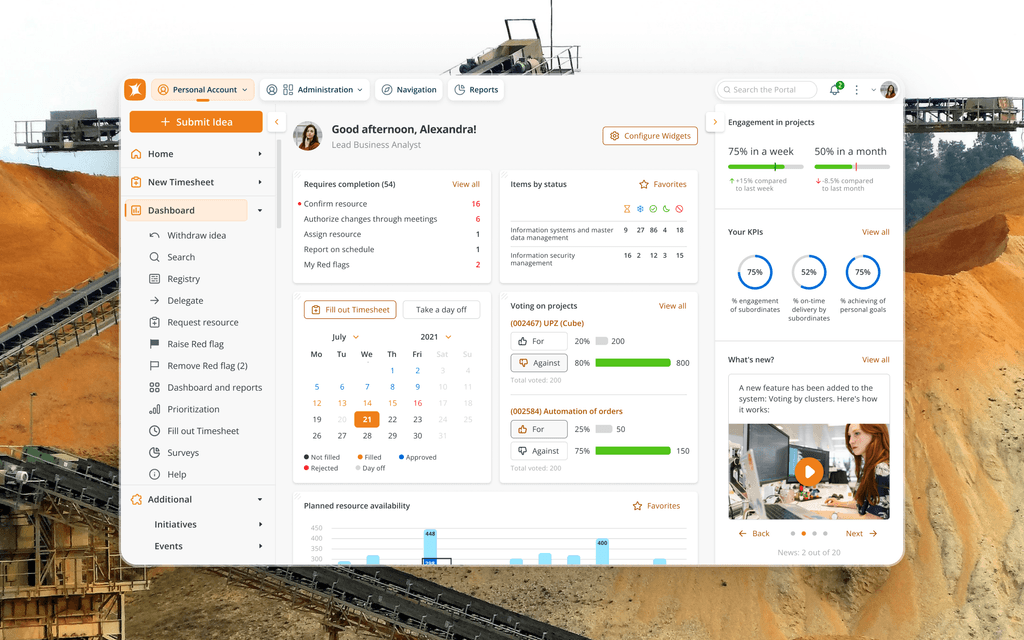
Enterprise Resource Planning (ERP) is the portal in large companies where you can apply for vacation, request business trips, study options about your health insurance and have all the document templates you have ever heard of or not.

Simply put, each button in the main menu is a whole department that serves your needs. And the tricky part is to design the flow for each unique department and make this experience seamless for employees.

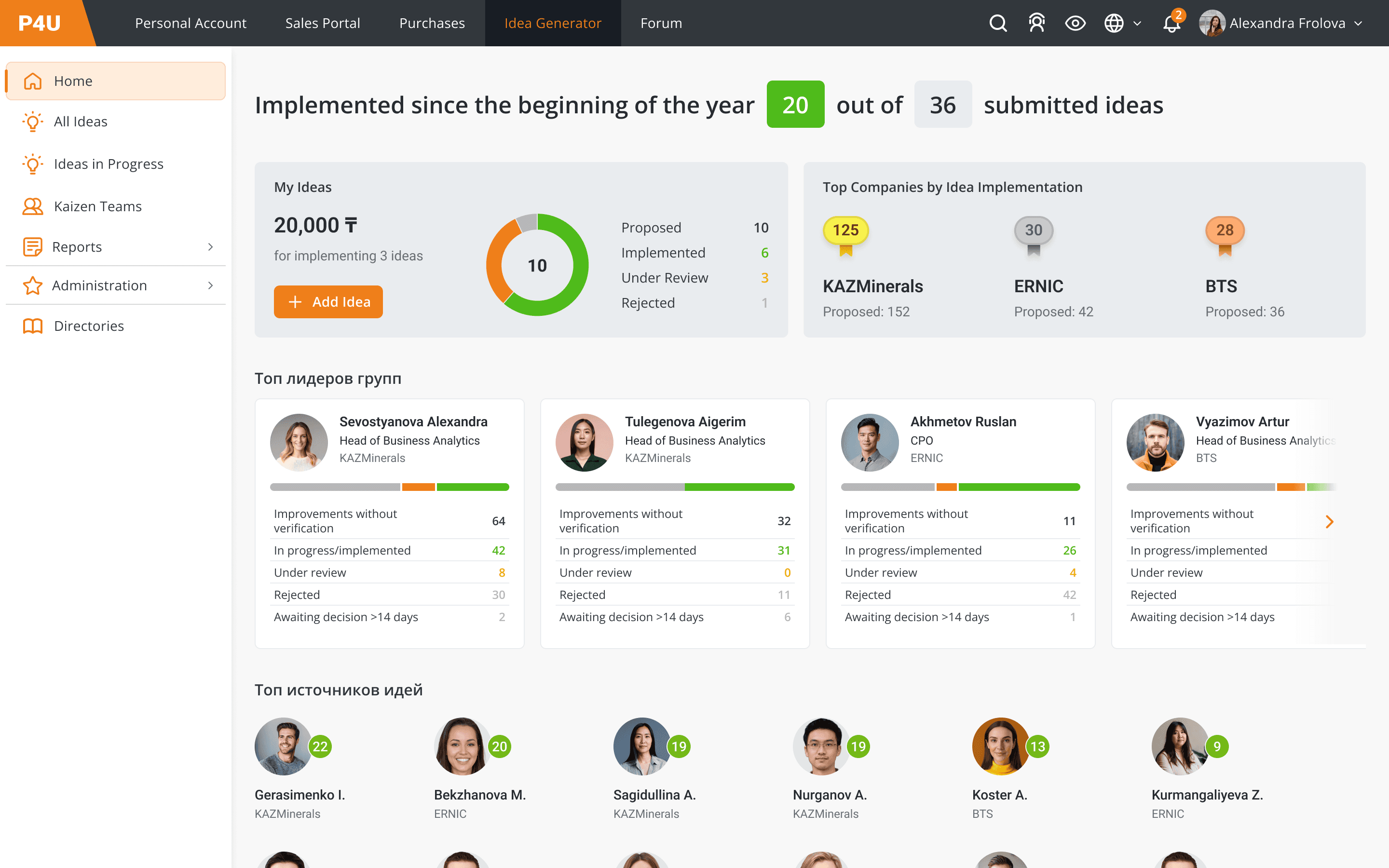
That's where iterative design comes in. I, along with the business analytics team, designed the first version for departments A, B, and C, then collected all the feedback and moved to the next circle to design the second version. We repeated this until the UX merged between the different flows.

30%

boost in idea analysis speed

35%

reduction in new system development by implementing a design system

30%

boost in idea analysis speed

35%

reduction in new system development by implementing a design system

30%

boost in idea analysis speed

35%

reduction in new system development by implementing a design system

We experimented a lot with frameworks and UI, moving between Microsoft UI, different versions of OutSystems, and custom development. At some point I had to deal with all of them because some parts of the systems were done in the past, some were in MVP and some were part of our other system.

Technically it was a super -app and its parts were hosted on different platforms. Our team had a goal to make it look and behave like the same application, but to achieve this effect I had to use different design systems, frameworks and communicate with different development teams.

NDA disclaimer: The images shown on this page are drafts, concepts or high-fidelity wireframes and do not reflect the final product. All names, numbers, titles, charts, and other data are fictitious.

NDA disclaimer: The images shown on this page are drafts, concepts or high-fidelity wireframes and do not reflect the final product. All names, numbers, titles, charts, and other data are fictitious.

NDA disclaimer: The images shown on this page are drafts, concepts or high-fidelity wireframes and do not reflect the final product. All names, numbers, titles, charts, and other data are fictitious.