Goals

Launch a test environment for the educational platform to showcase the startup's viability:

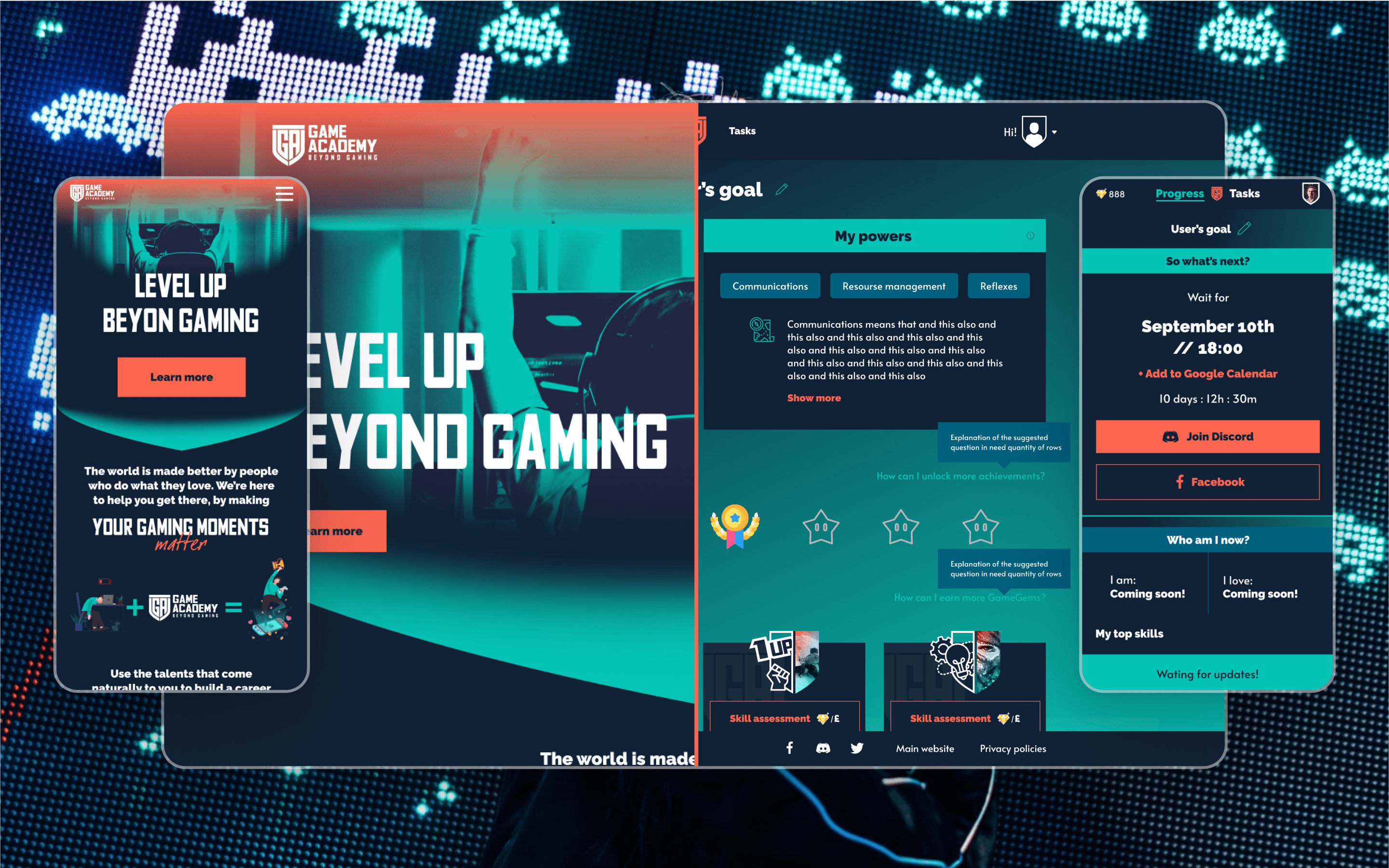
- Develop UI/UX for MVP covering onboarding, personal dashboard, and educational flow for both desktop and mobile,

- Design the website for both desktop and mobile,

- Prepare all essential materials for further development, including UI components, visual languages, icons, etc.

My role

- UI/UX design
- Wireframes / Prototypes
- Design hand-off
- UI kit
- Promo materials

Team

- 2 Product Owners (different teams)
- 2 Analysts
- UX/Product Designer
- HR stakeholders

Duration

4 months

Tools

Figma

Result

Prototyped an MVP that garnered investment and developed the visual language for the website and promotional materials. After a successful test launch, the product transitioned to the design studio.

Users

Target audience: Individuals with a background in video games seeking to enhance their soft and hard skills in a group setting. They require an engaging and familiar visual design reminiscent of gaming platforms like Discord or Twitch, with extensive gamification features and interactive elements.

Challenges

Balancing effort and value was critical. Although we had numerous ideas, for the MVP, we needed to select only a few while ensuring they functioned as a comprehensive product.
Show design process

Task

It can come from:

Client
Big conceptual undefined requests.

Product Owner
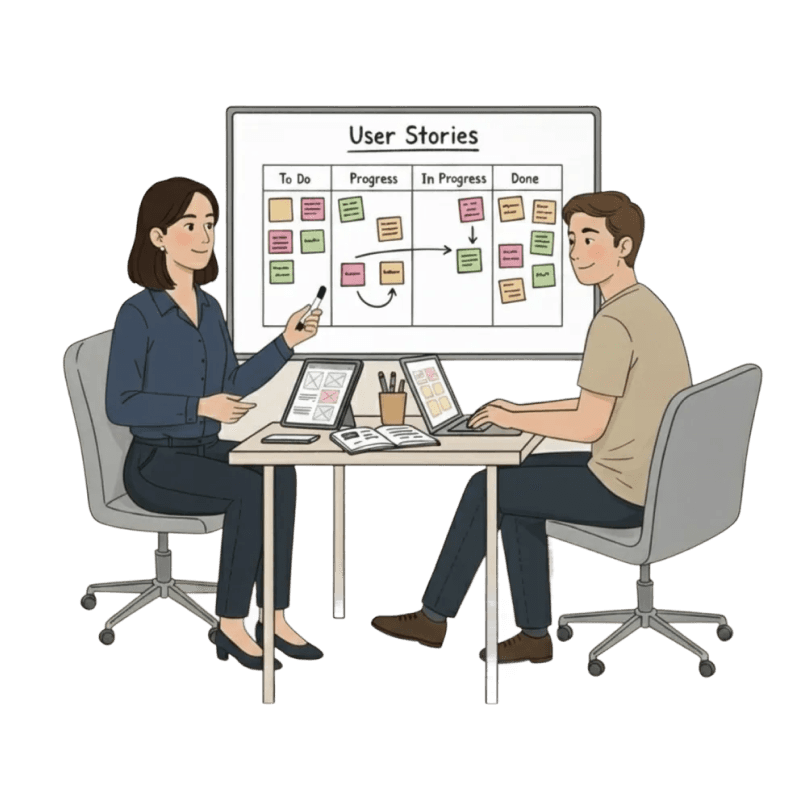
User stories that need analysis, targeted on business needs.

Myself
Features and tunings to improve UX of final users.

Tasks can be:

Simple
You just do it. All the other team knows exactly how to do it.

Complex
Nobody knows what the result will be, me included. These 30% of tasks - fuel for number of ideation workshops, analysis, iteration, user research and hours of discussions.

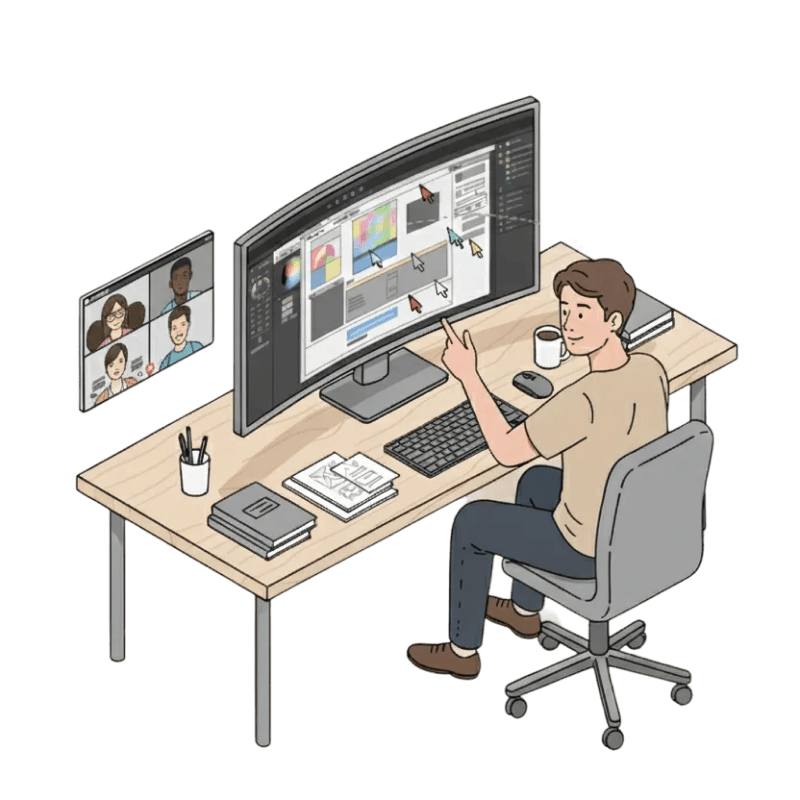
Draft & users

If task is "simple", I have two checks of wireframes:

With Product Owner
If design answered business requirements.

With developers
If we can simplify design (without losing in UX) to speed up time to market.

If task is "complex", plus to those two I also have:

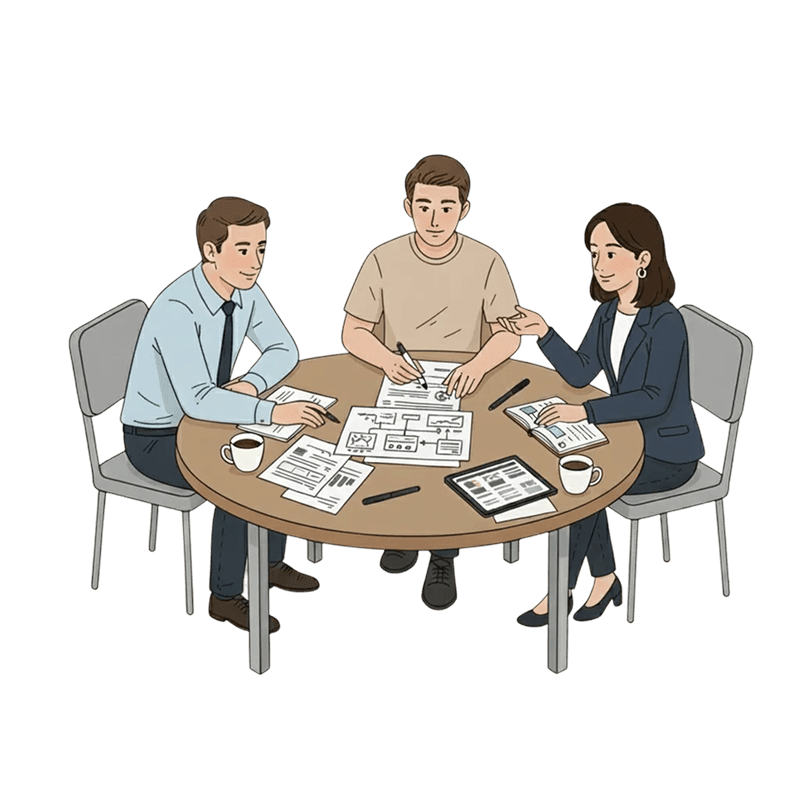
Brainstorm session with client
Sometimes it about them reinventing the whole business process. Sometimes it me to guide them into the right direction.

User interviews
30-minutes calls with users where they perform some tasks on clickable prototype. Depends on my hypothesis proven or rejected, the Draft stage can have another iteration.

UI & hand-off

90% of time
I work with predefined design systems. So I build the entire UI from its components.

10% of time -
some unique solutions where discussion with developers is needed.

After we discussed the final design with the team, I prepare mockups (flows, comments, documentation if needed).

When someone starts to work on this task in sprint they invite me on the tasks kick-off, where we check everything we need to do.

After the task is ready, I have a design review during the task demo or myself on the dev stage.

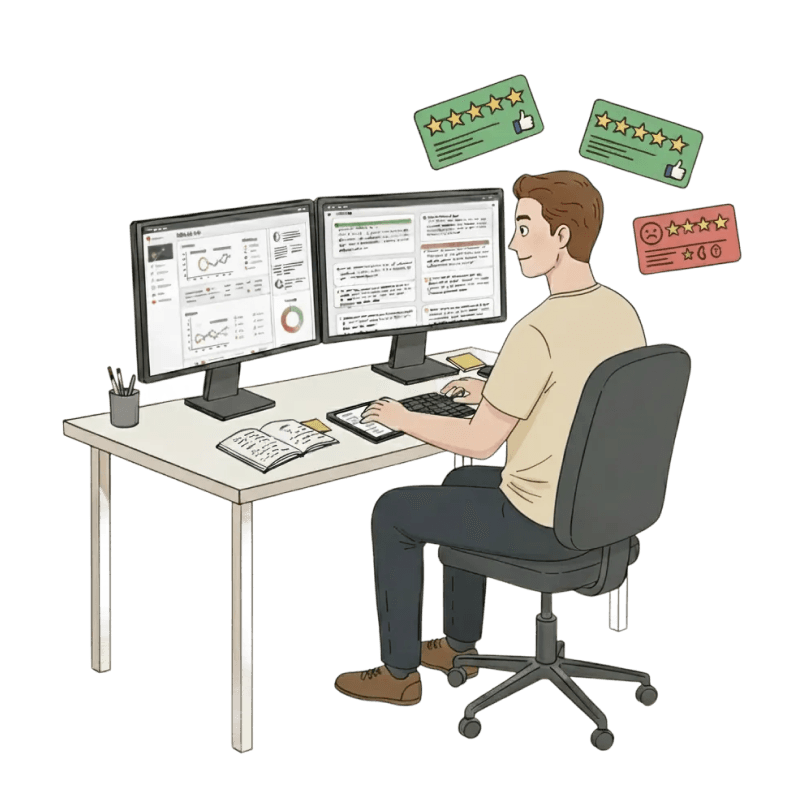
Release

As I work in-house, I have control on what happens after the release.

If feedback is negative and prioritized, I analys it it and go on the next iteration of design.

If feedback is positive, I can propose that new feature/pattern/flow for another product in our ecosystem. Yes, I test design innovations on selected products before the whole-ecosystem implementation.

Task

It can come from:

Client
Big conceptual undefined requests.

Product Owner
User stories that need analysis, targeted on business needs.

Myself
Features and tunings to improve UX of final users.

Tasks can be:

Simple
You just do it. All the other team knows exactly how to do it.

Complex
Nobody knows what the result will be, me included. These 30% of tasks - fuel for number of ideation workshops, analysis, iteration, user research and hours of discussions.

Draft & users

If task is "simple", I have two checks of wireframes:

With Product Owner
If design answered business requirements.

With developers
If we can simplify design (without losing in UX) to speed up time to market.

If task is "complex", plus to those two I also have:

Brainstorm session with client
Sometimes it about them reinventing the whole business process. Sometimes it me to guide them into the right direction.

User interviews
30-minutes calls with users where they perform some tasks on clickable prototype. Depends on my hypothesis proven or rejected, the Draft stage can have another iteration.

UI & hand-off

90% of time
I work with predefined design systems. So I build the entire UI from its components.

10% of time -
some unique solutions where discussion with developers is needed.

After we discussed the final design with the team, I prepare mockups (flows, comments, documentation if needed).

When someone starts to work on this task in sprint they invite me on the tasks kick-off, where we check everything we need to do.

After the task is ready, I have a design review during the task demo or myself on the dev stage.

Release

As I work in-house, I have control on what happens after the release.

If feedback is negative and prioritized, I analys it it and go on the next iteration of design.

If feedback is positive, I can propose that new feature/pattern/flow for another product in our ecosystem. Yes, I test design innovations on selected products before the whole-ecosystem implementation.

Show design process

I had the opportunity to design the MVP for the company's career website. Modern-looking face and nicely-feeling search.

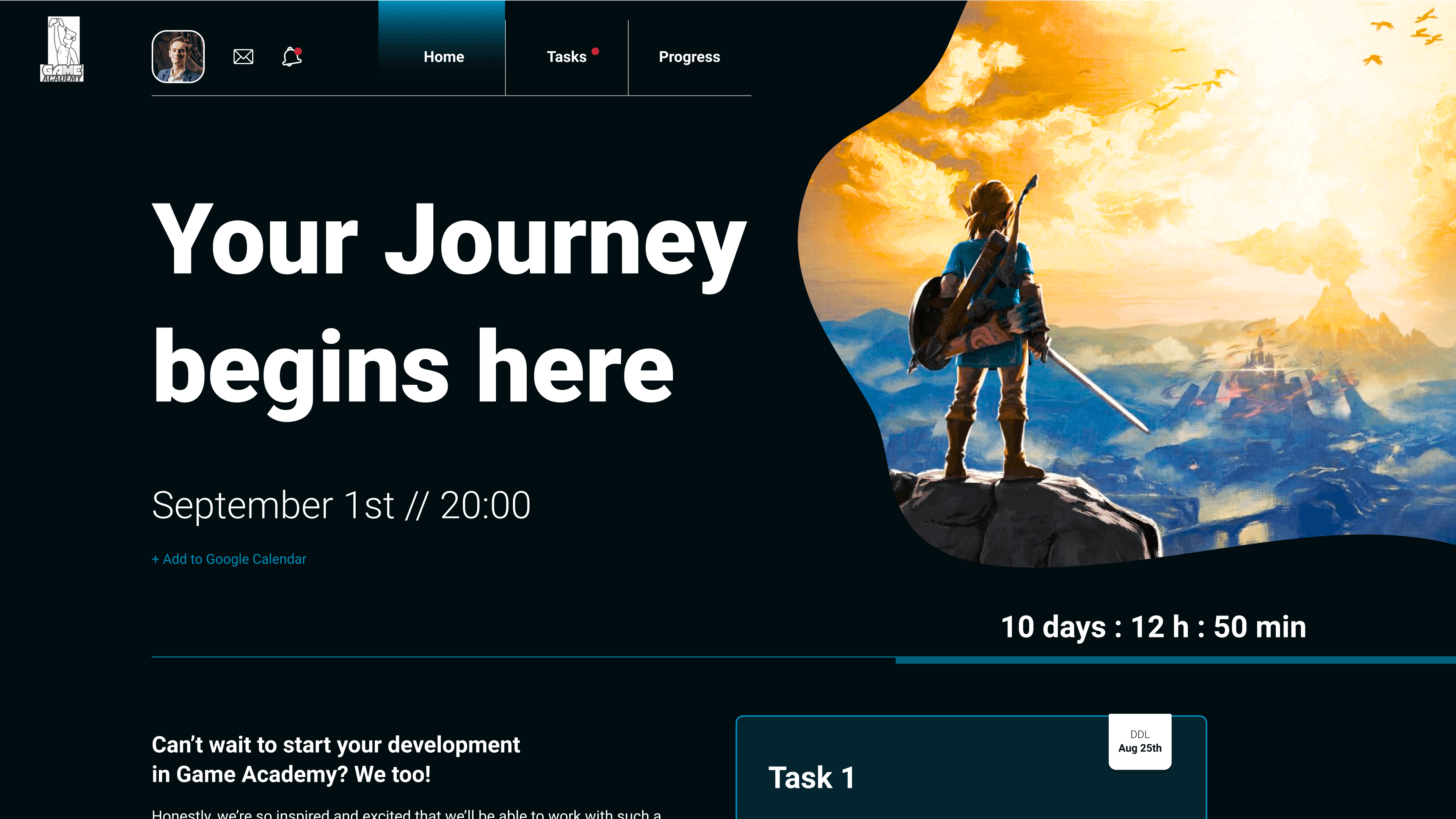
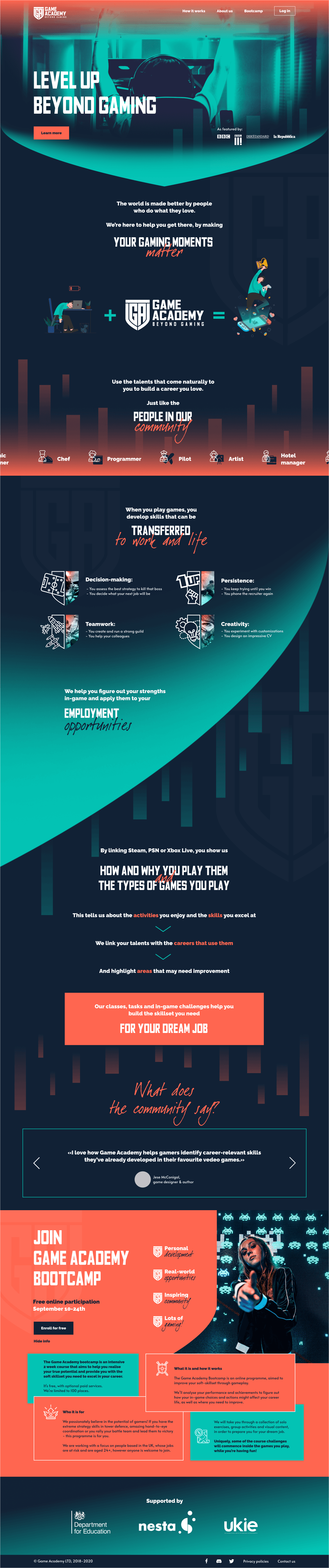
Game Academy is a London-based startup that can be characterized as an EdTech platform for gamers to identify their strengths and determine their future path - both in life and career. Sounds interesting, doesn't it? And even more interesting to be involved in the realization of such an extraordinary idea.

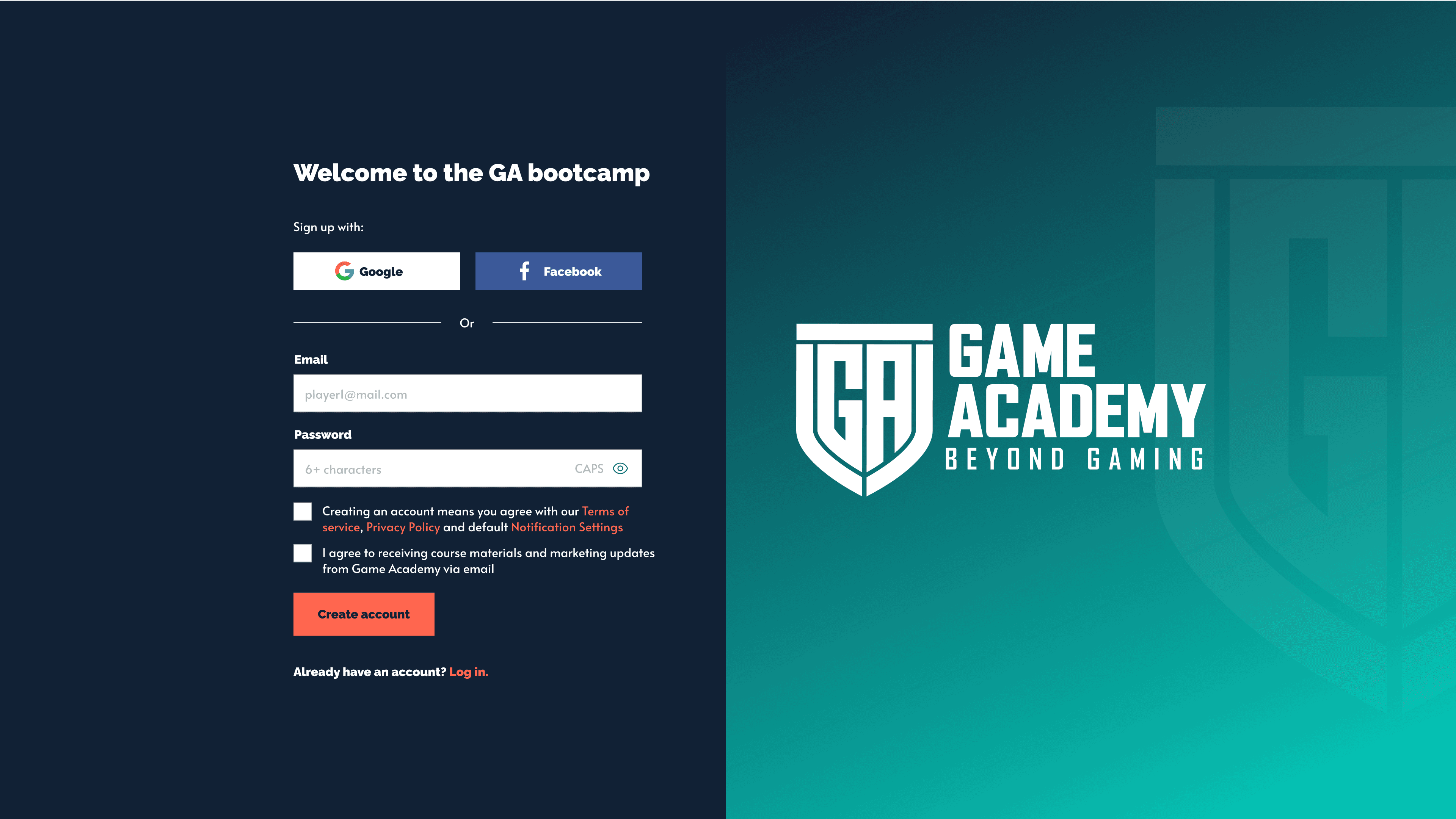
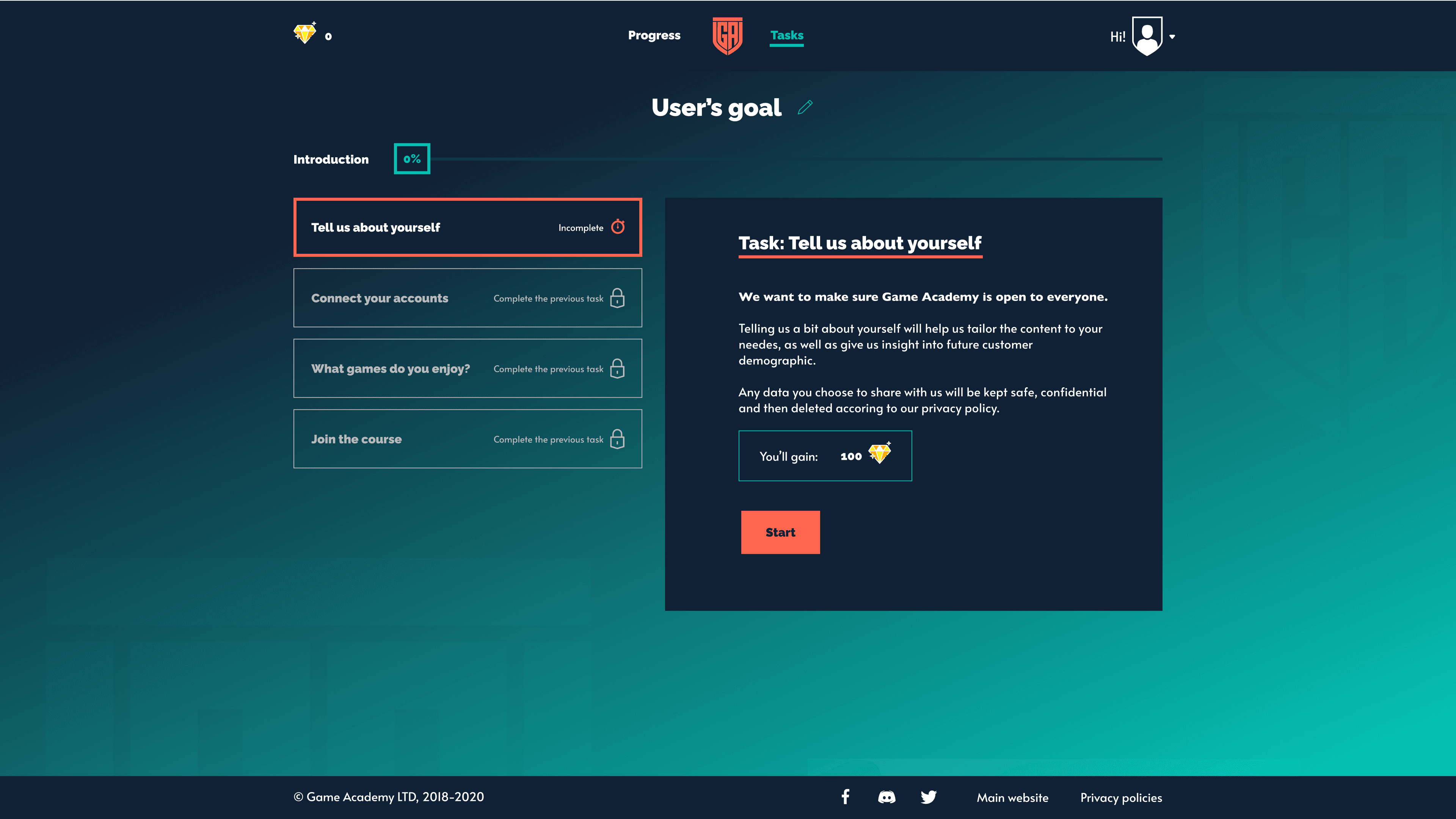
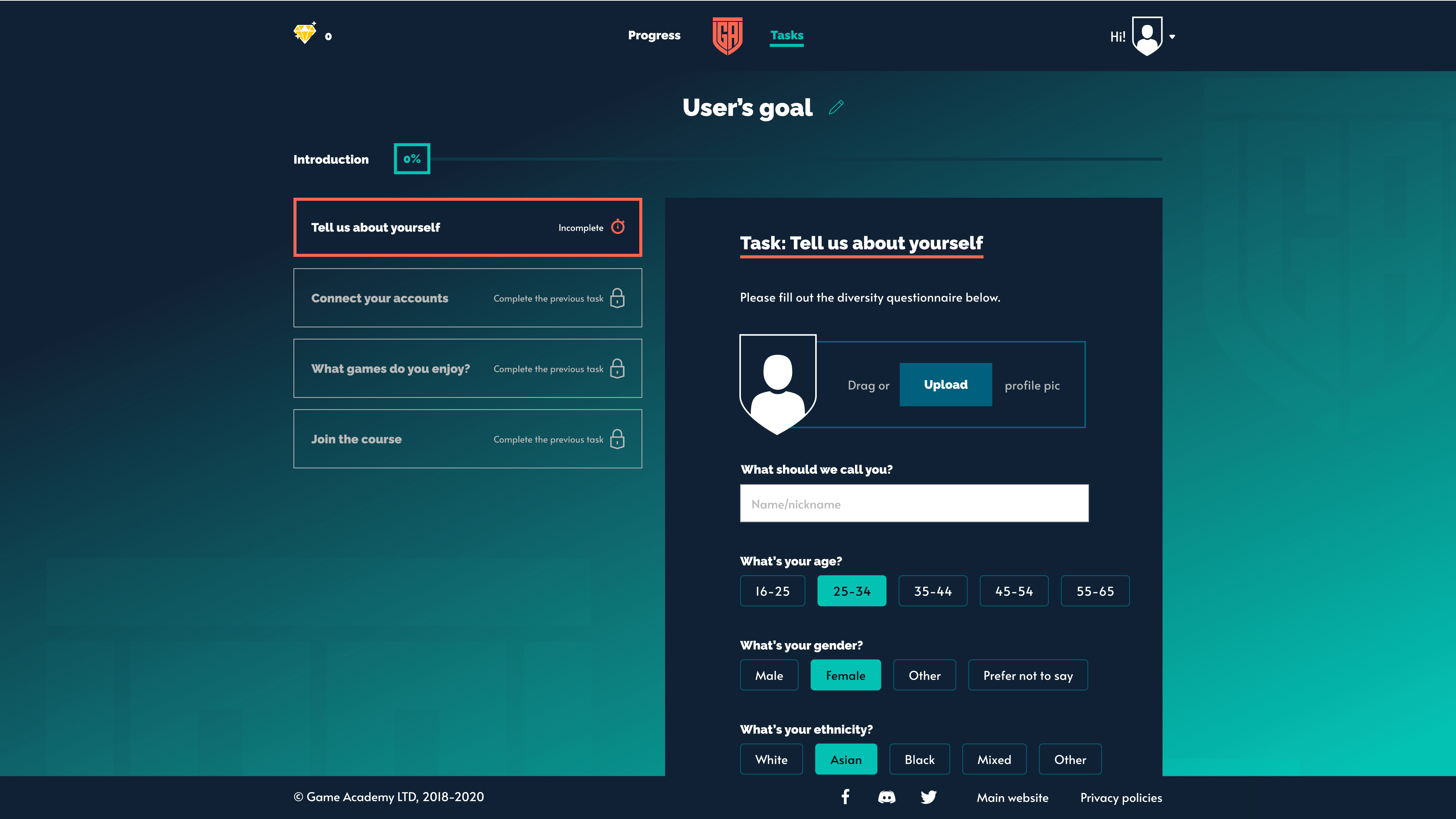
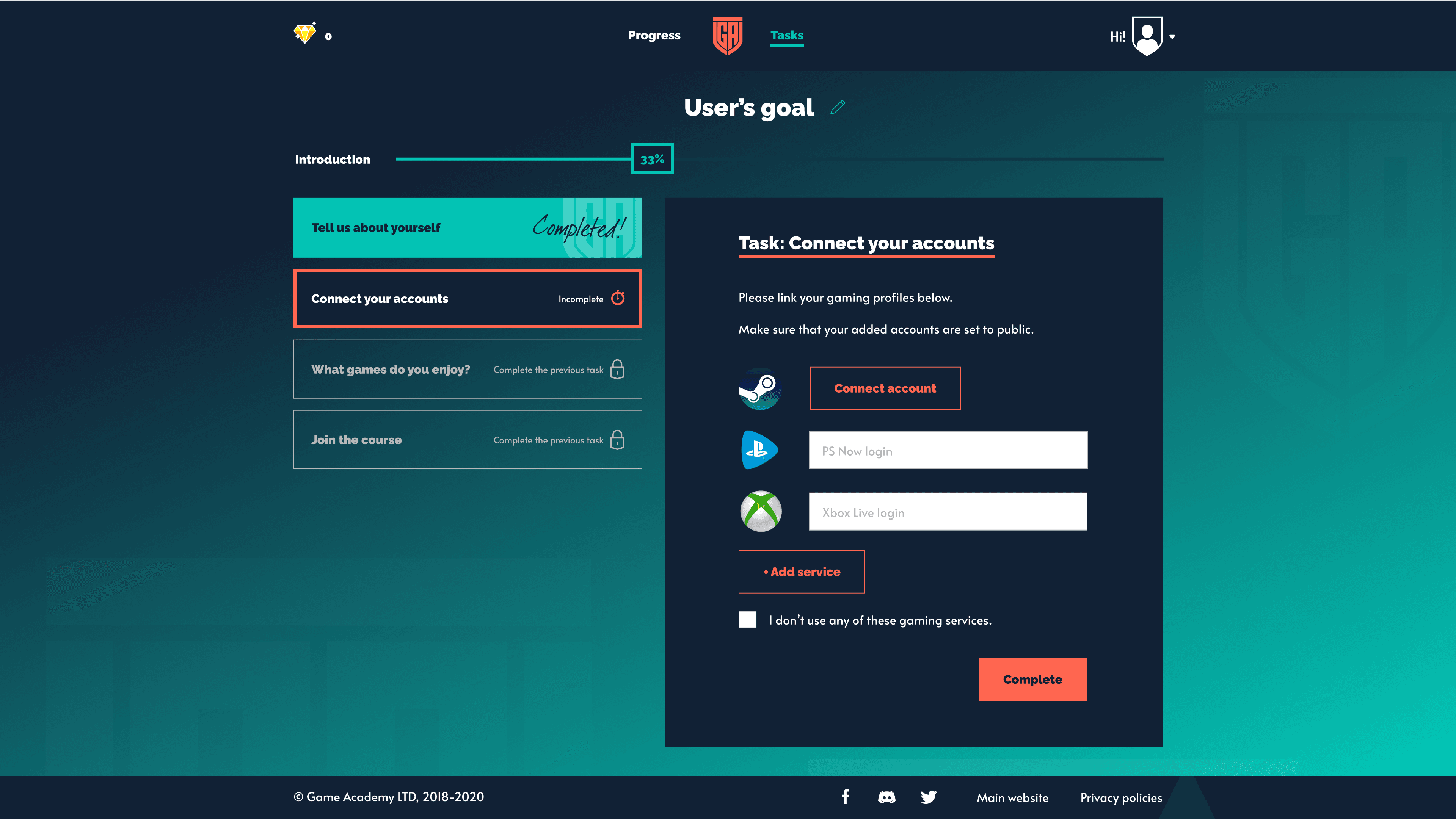
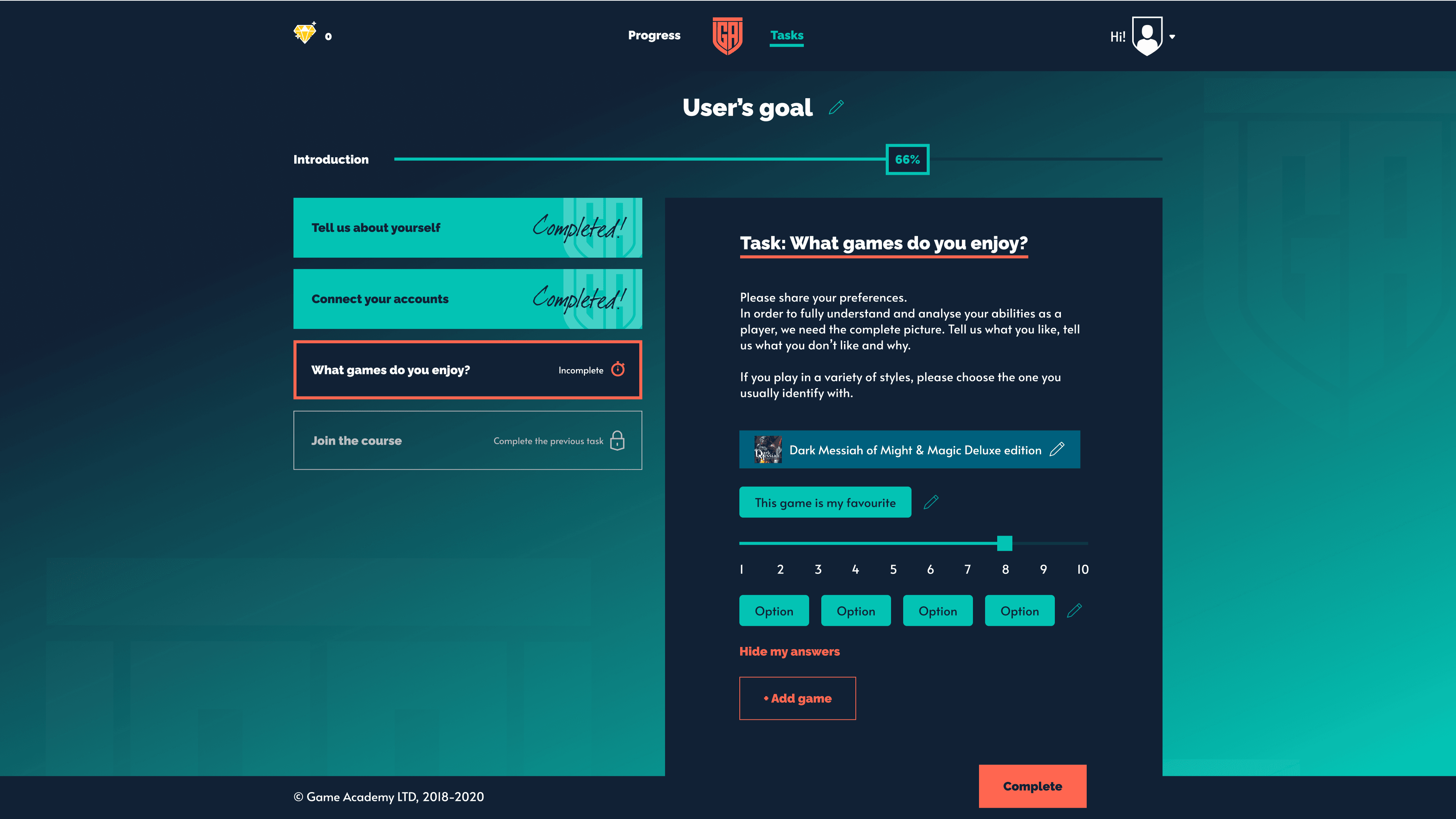
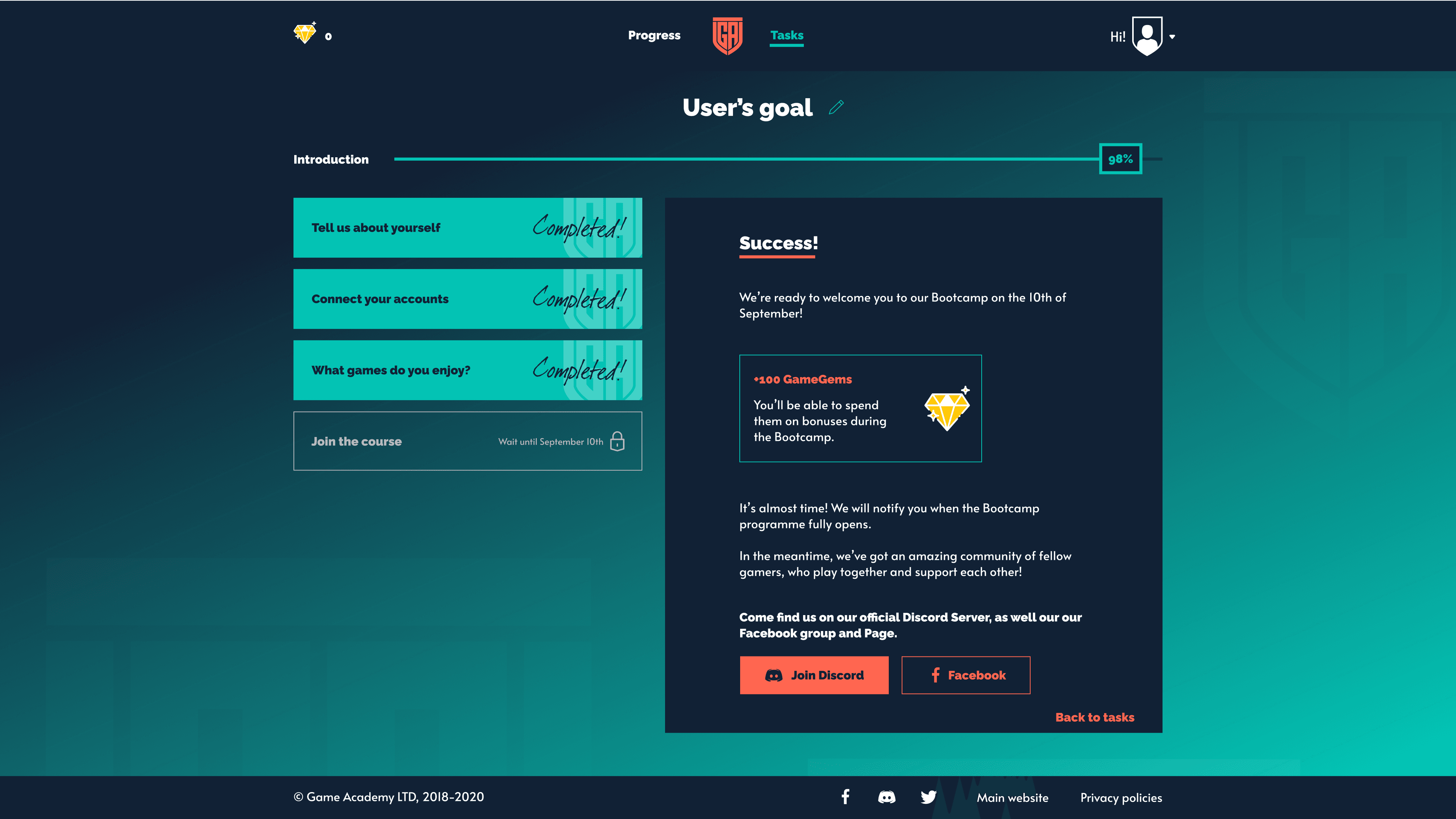
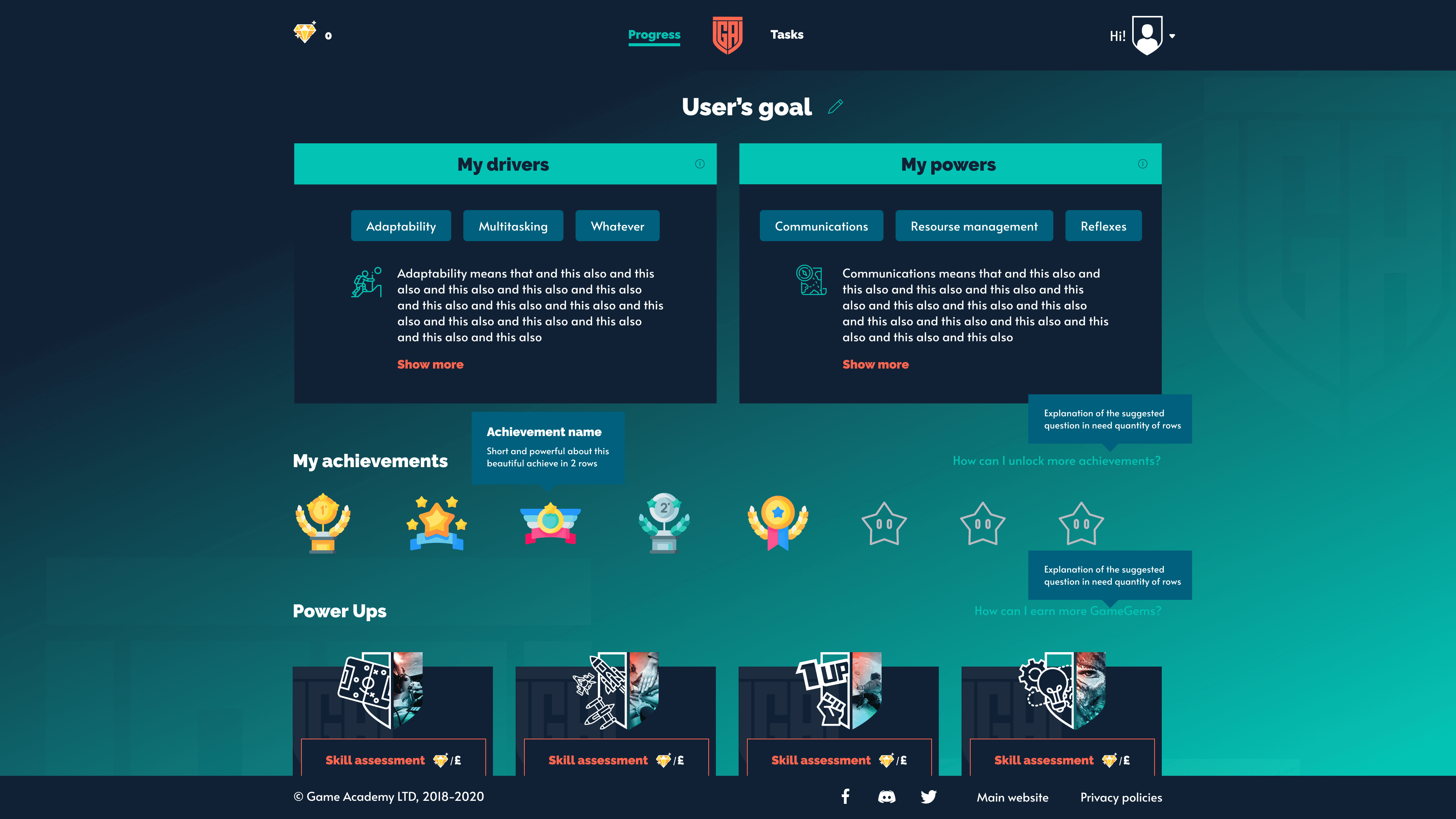
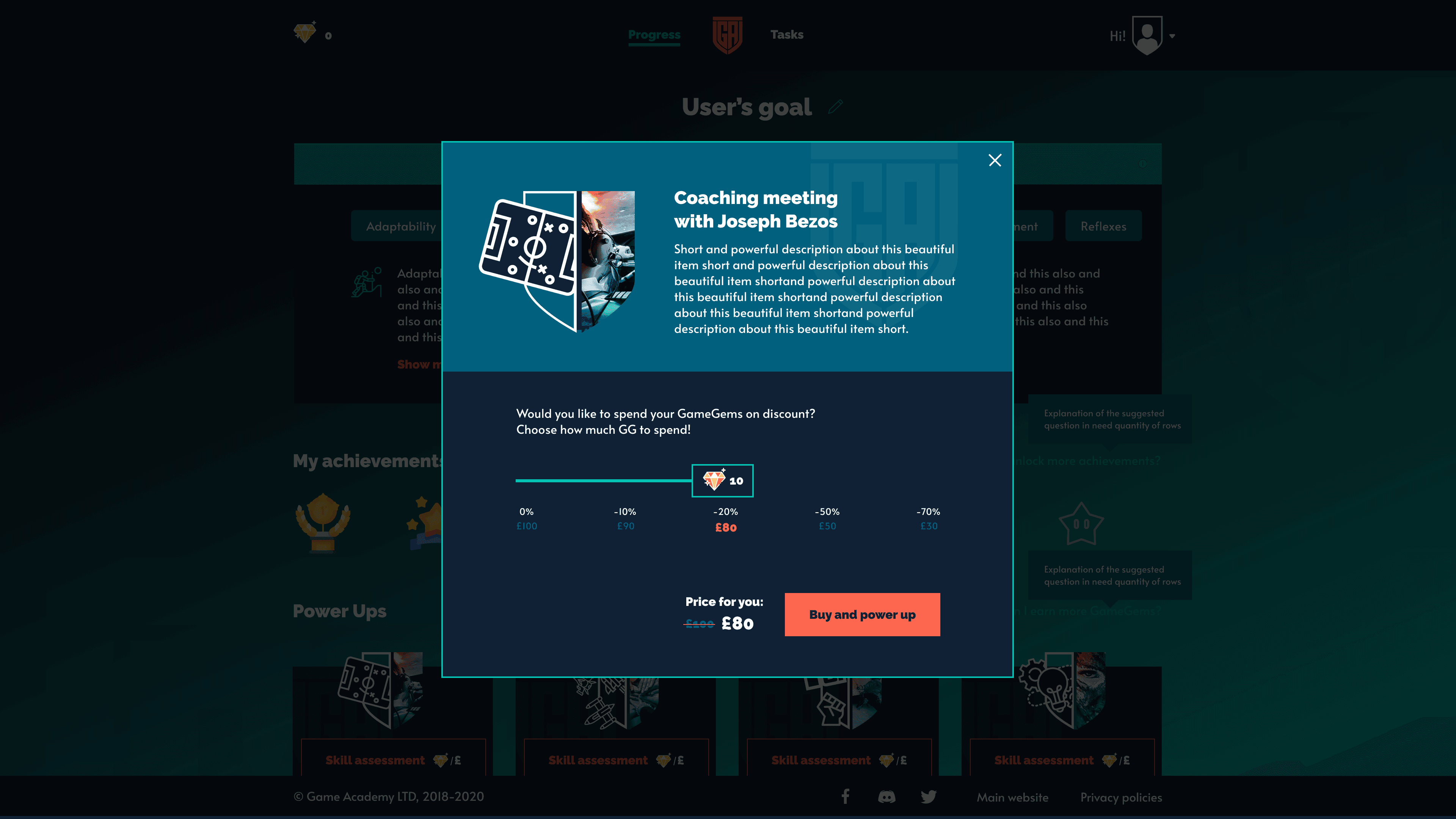
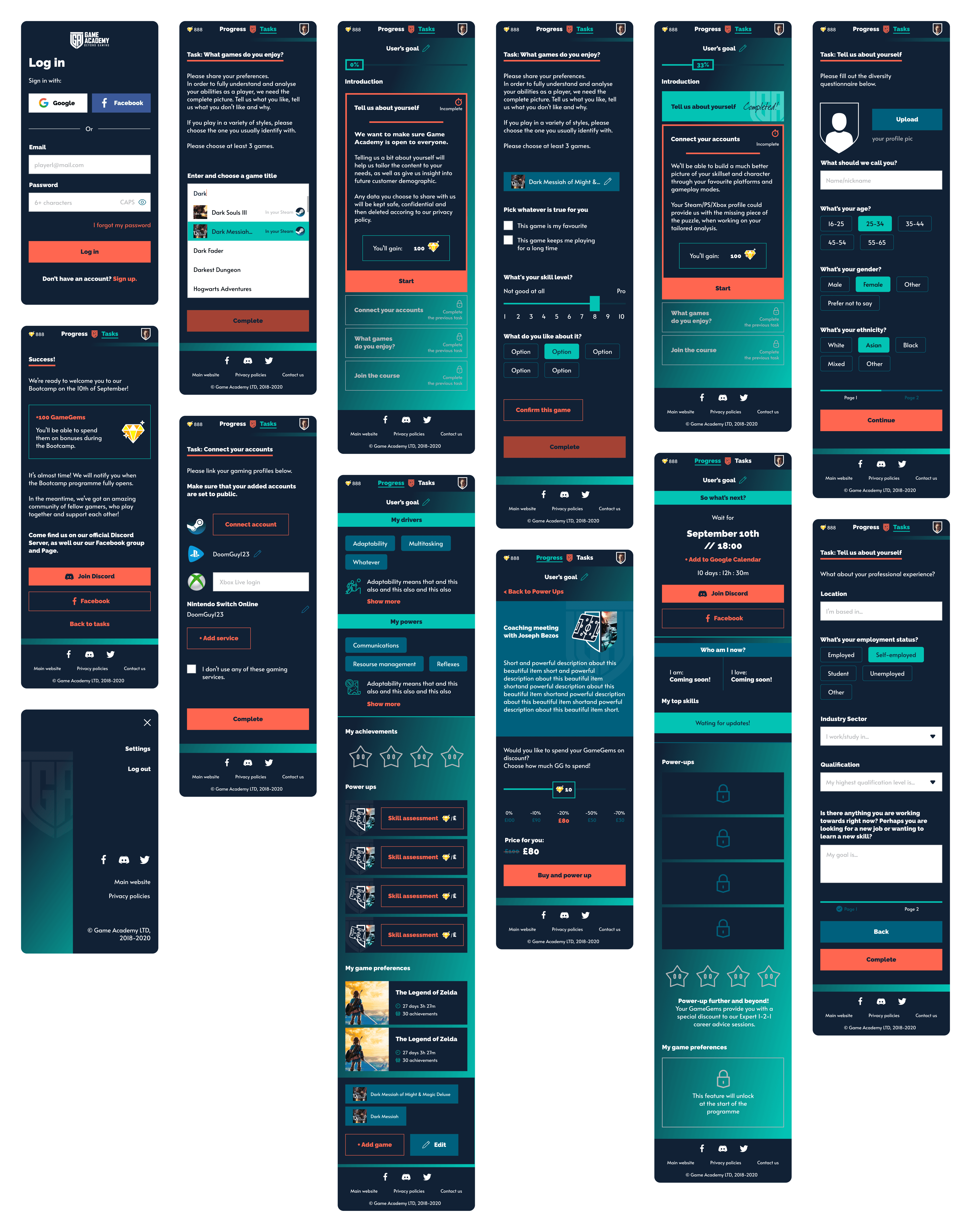
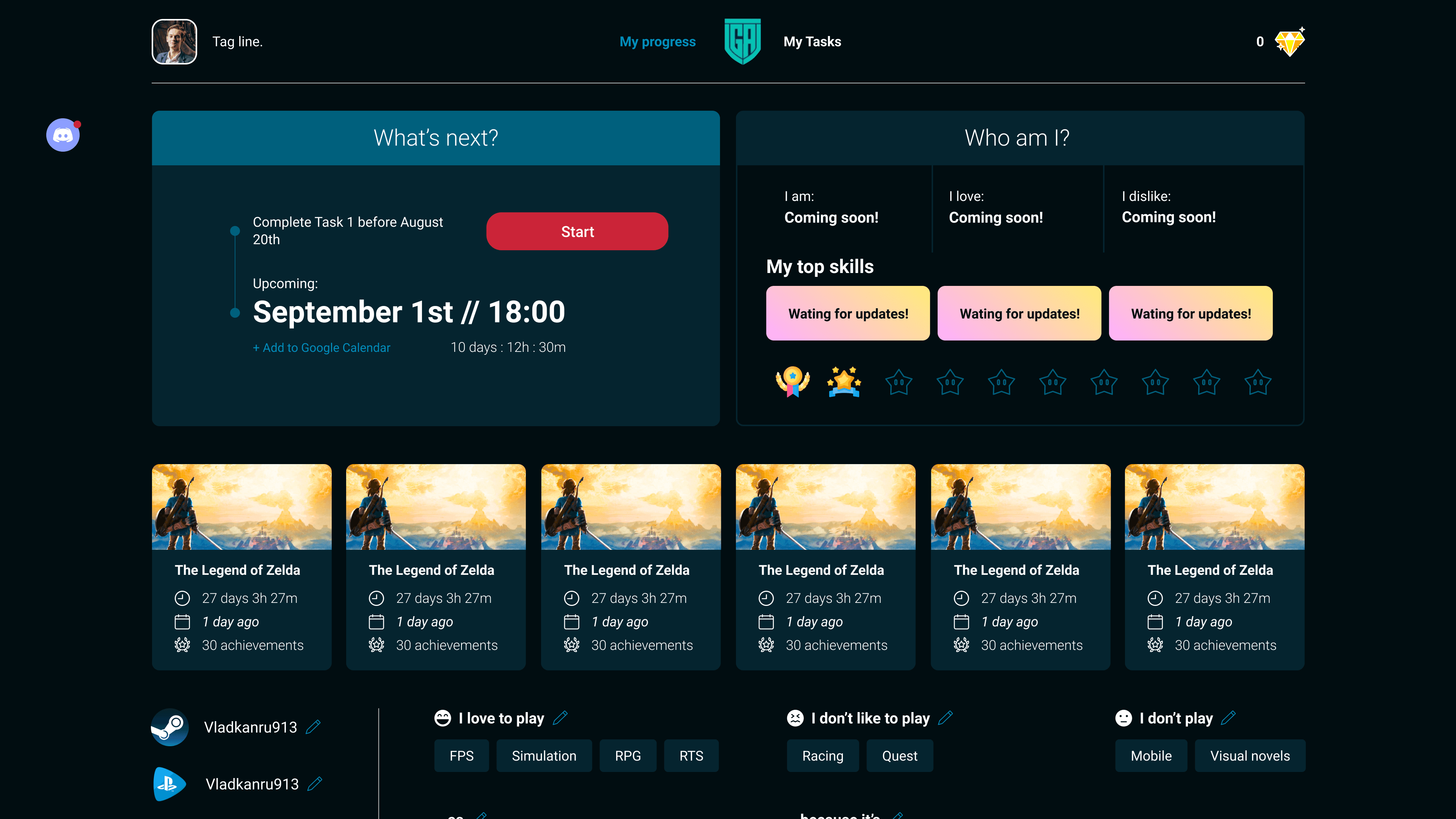
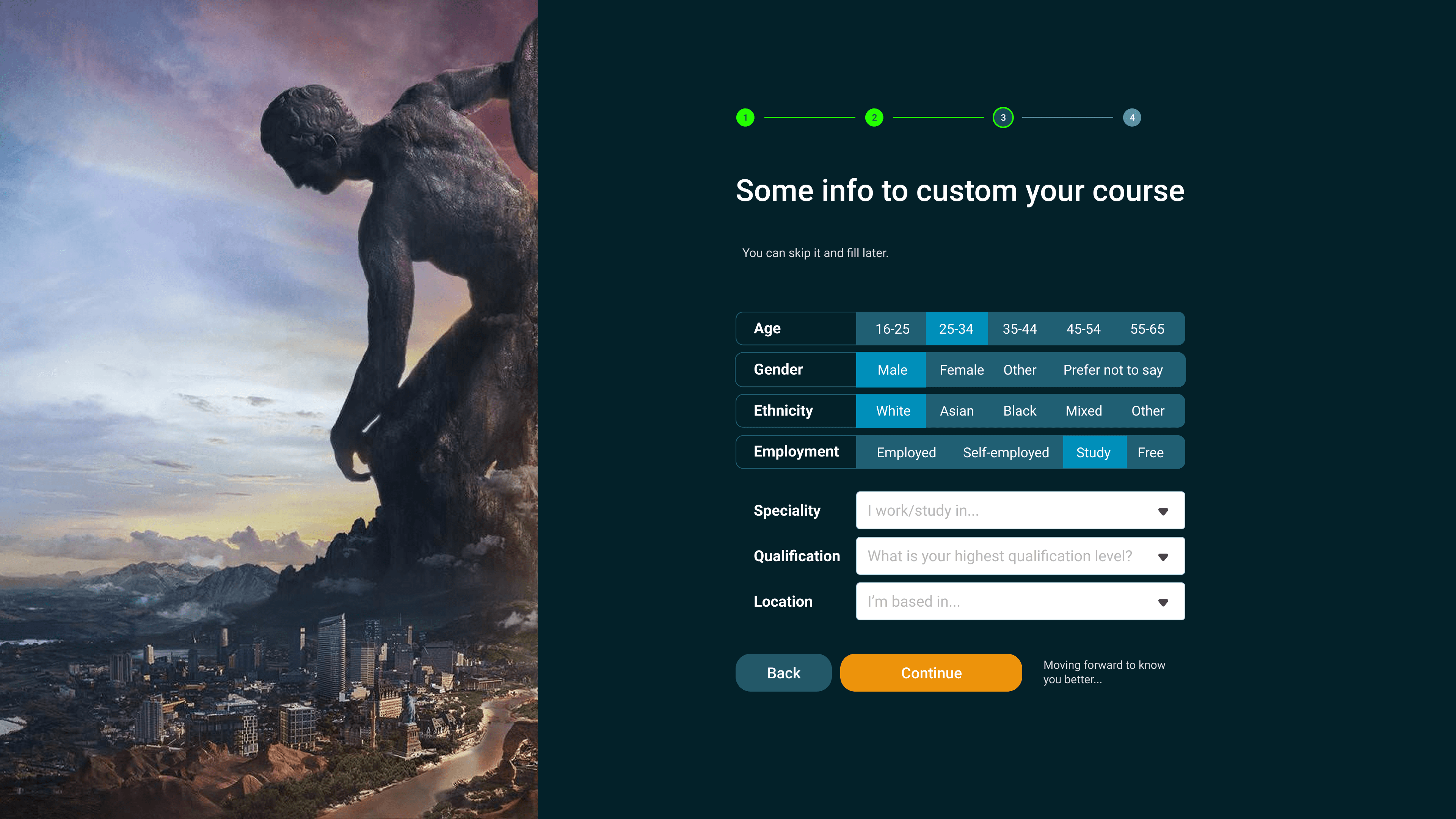
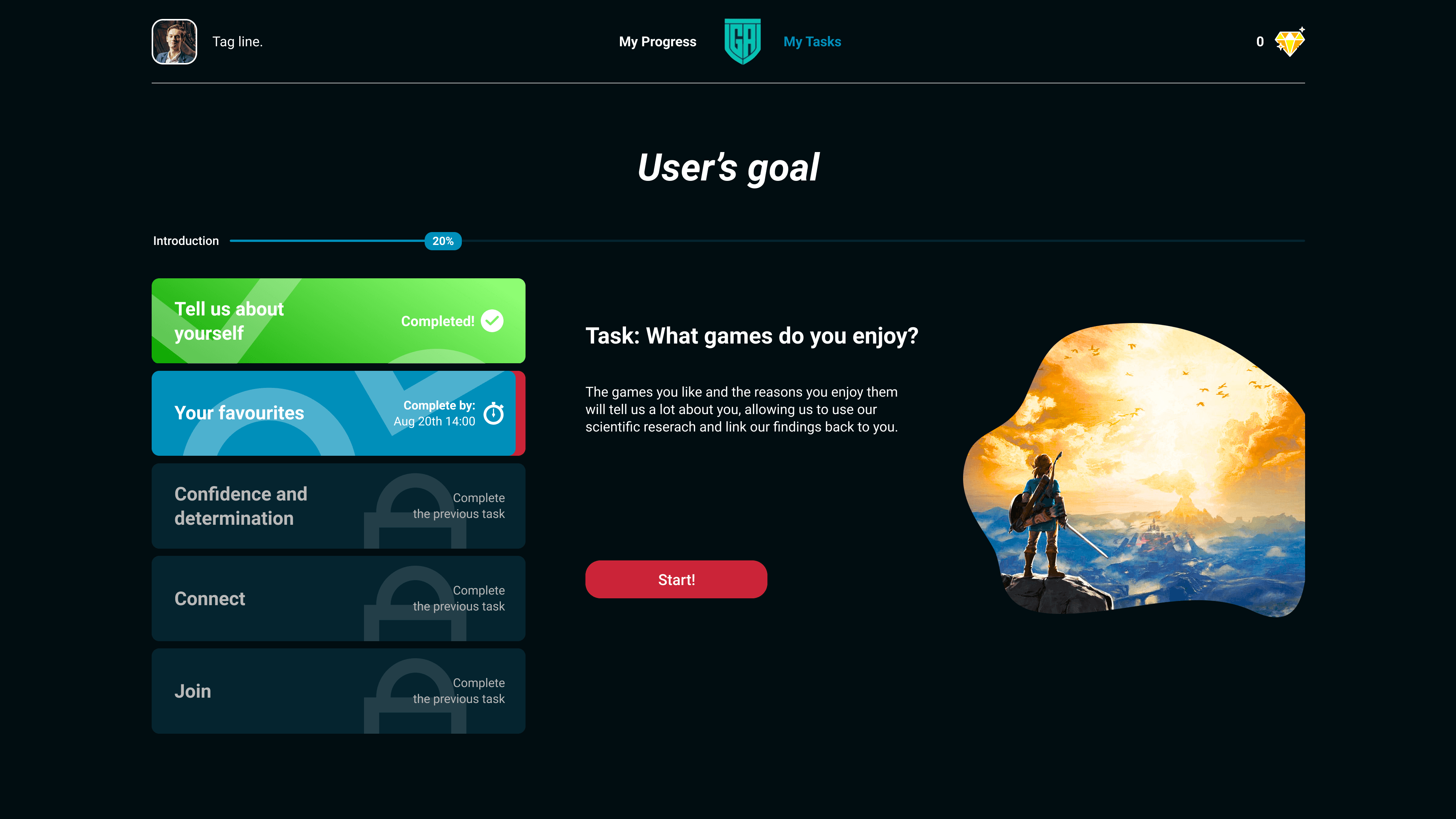
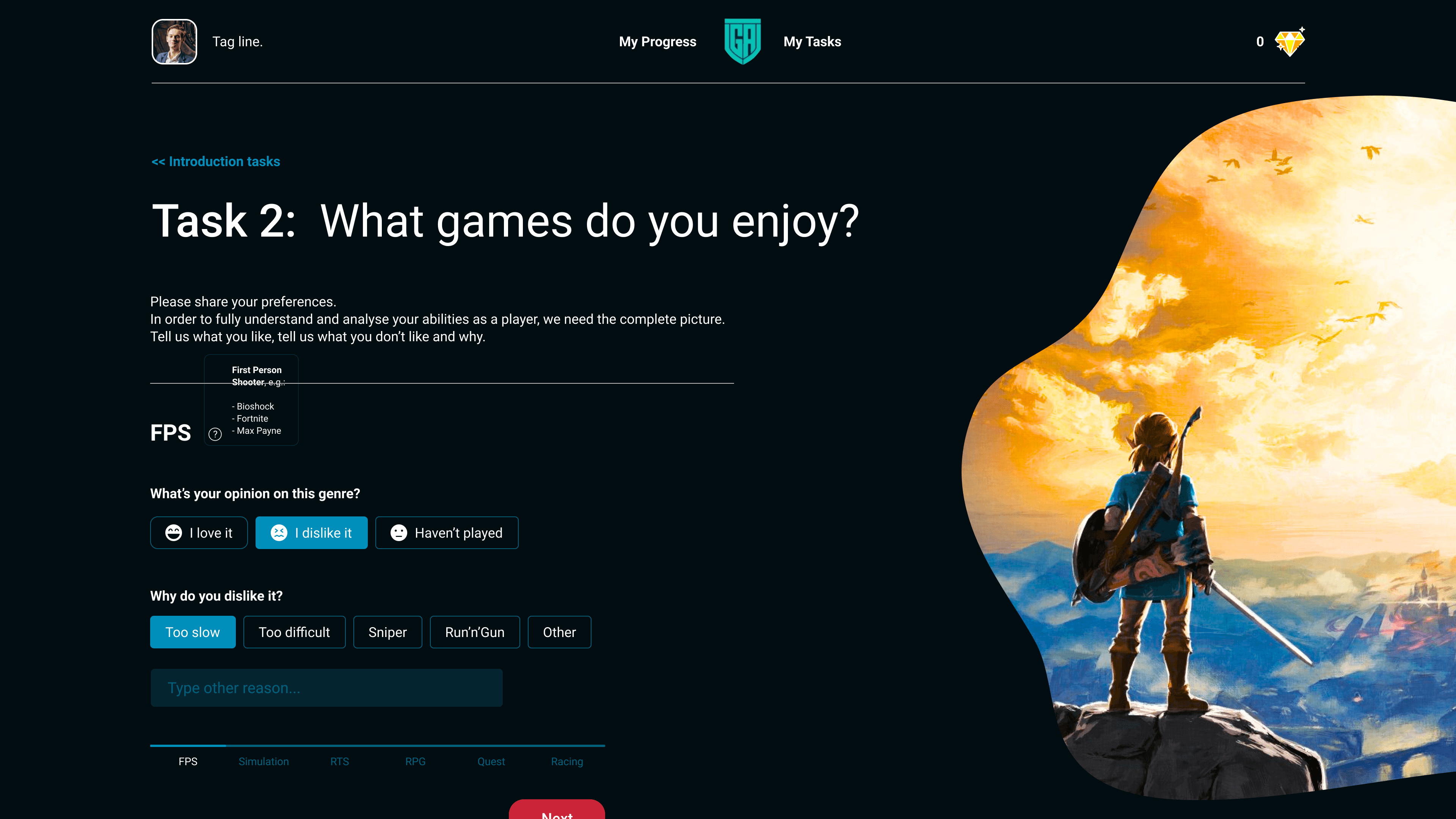
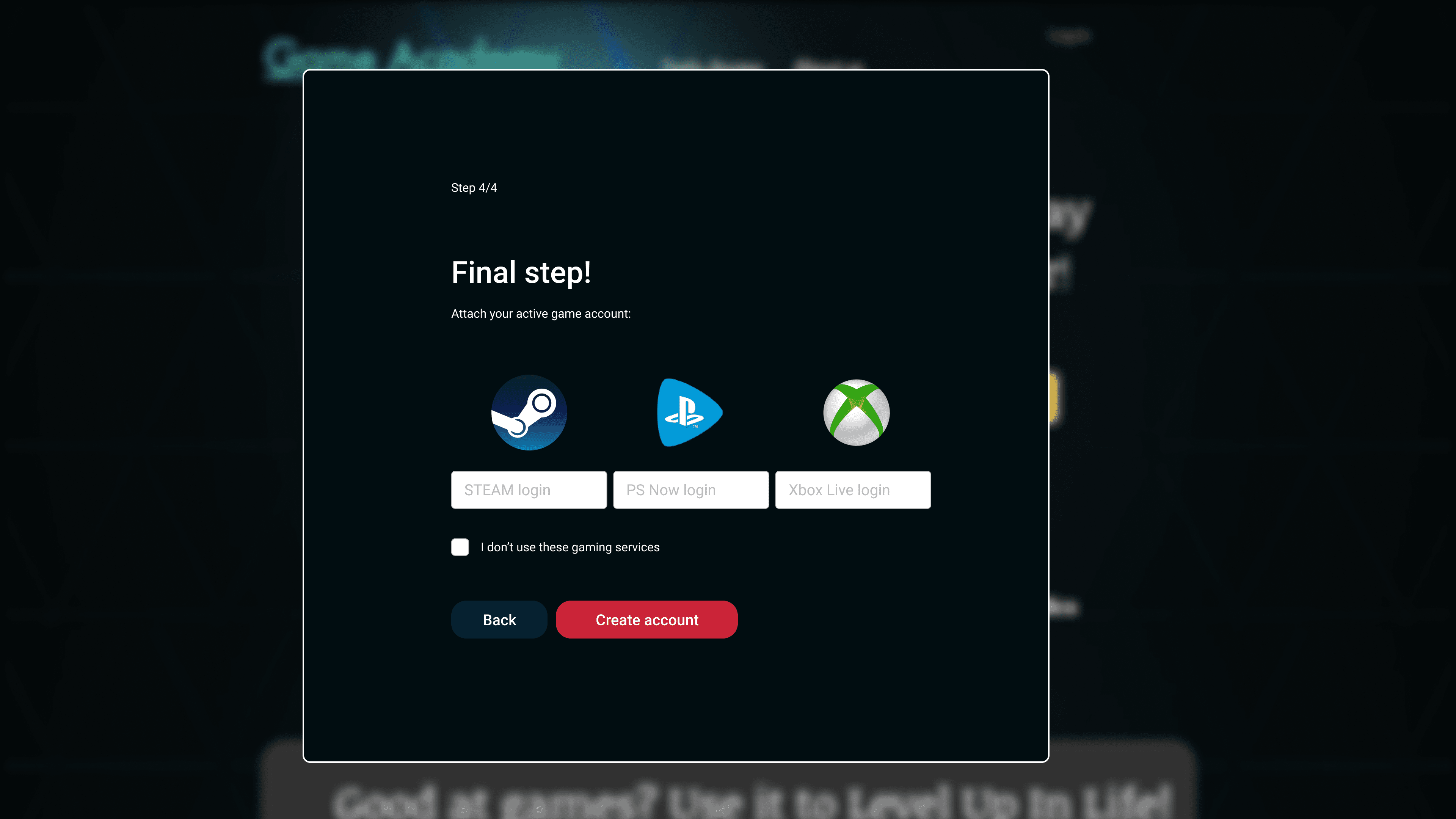
I was responsible for designing the beta of a standalone web version of the platform, through which users would register, be onboarded to the course with introductory tasks, statistics, and further expansion of functionality.

The following were developed:

- Login to the platform;

- User onboarding process;

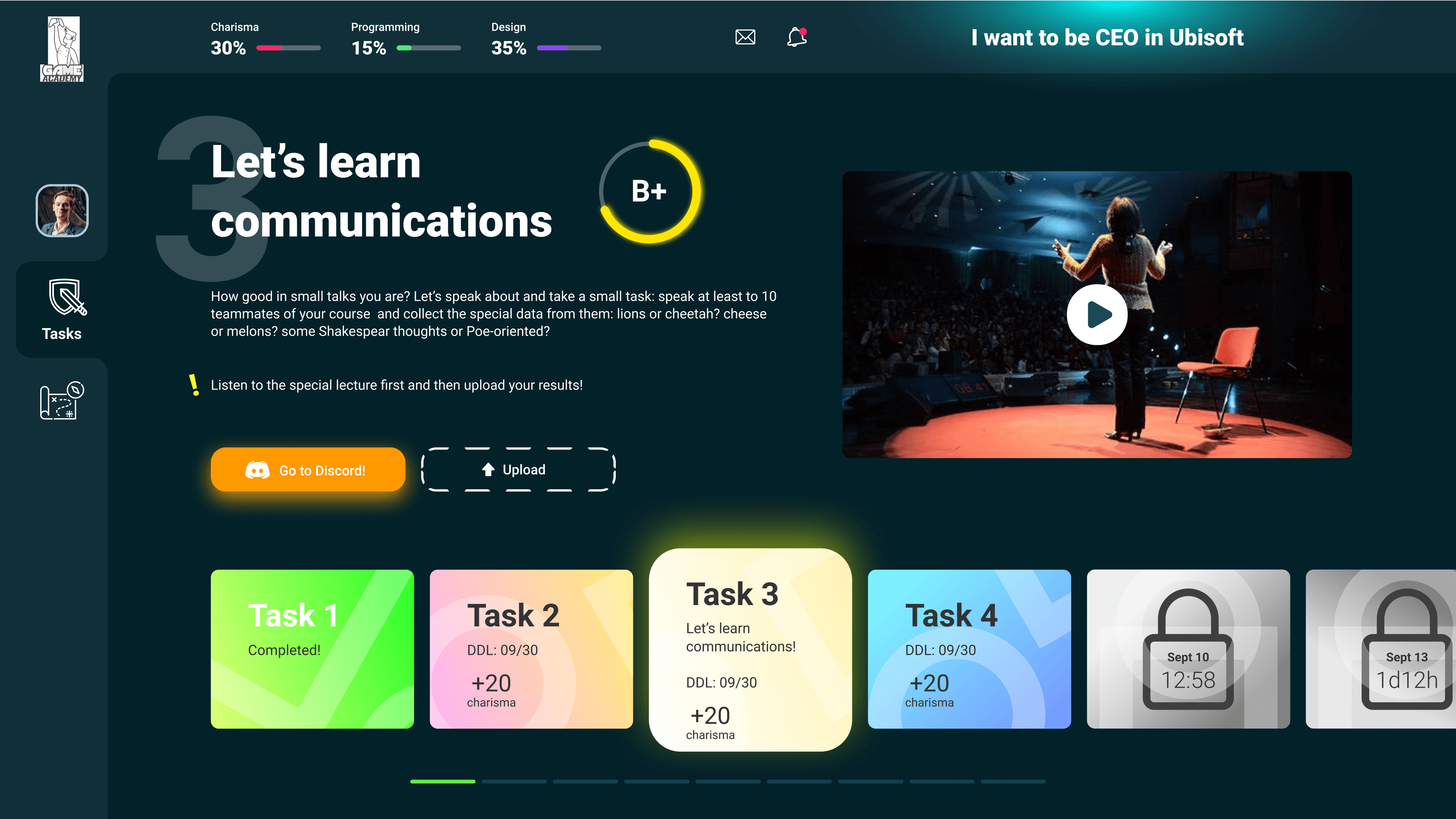
- Introductory tasks;

- Dashboard;

- Mobile version;

- UI/UX guidelines;

- Additional visual material and design.

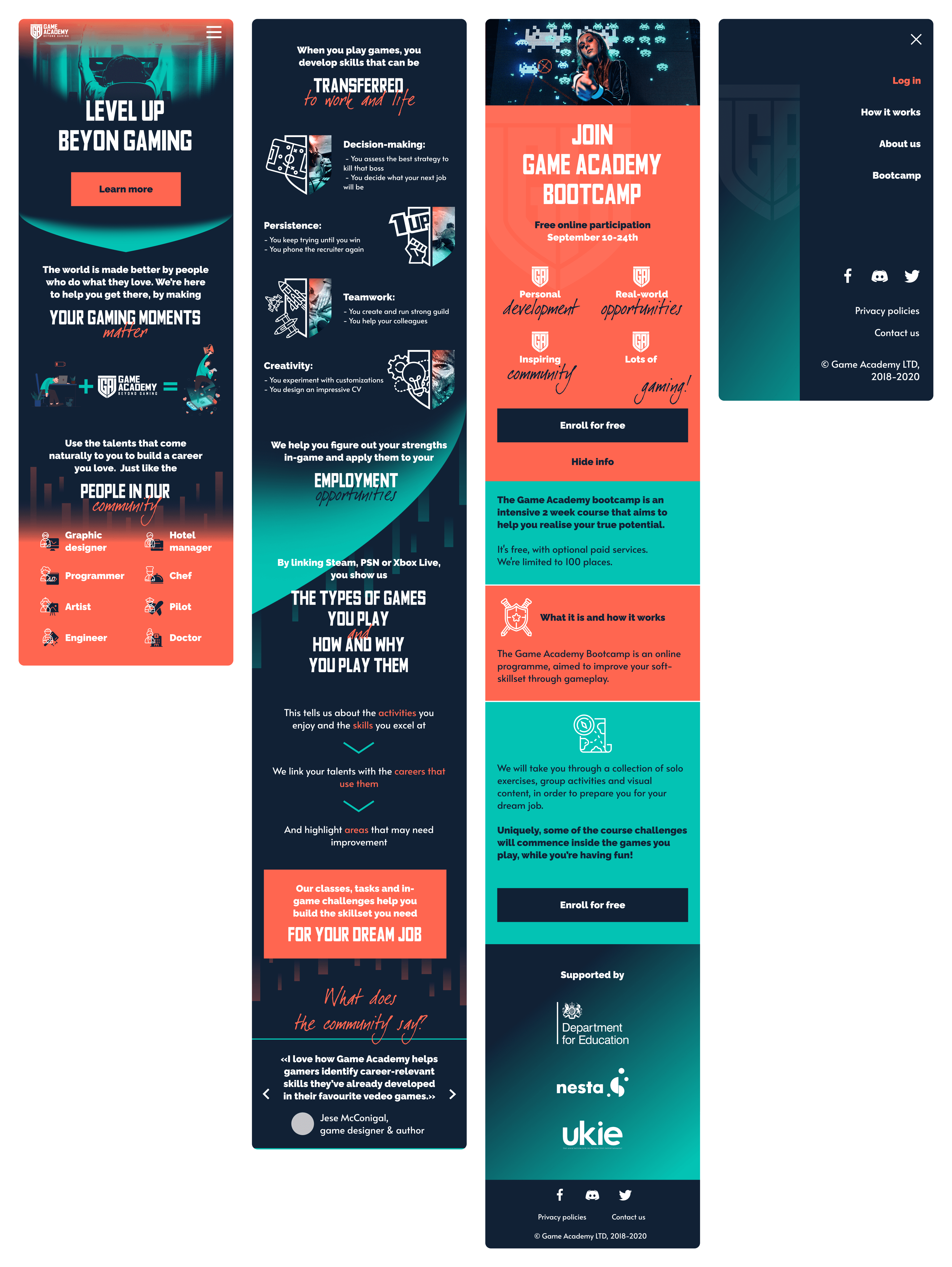
There was no adaptive, I designed a whole new mobile version. In an ideal world (or another round of investment), it would not be the website, but the application that would provide the proper user experience.

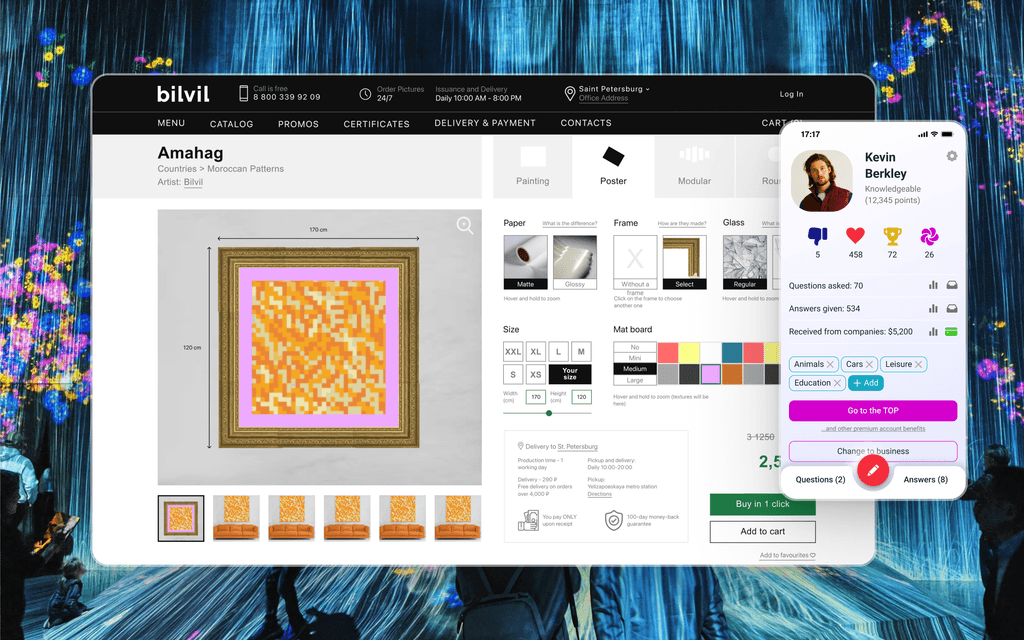
Some search designs - we love search designs.
What products could be, but what they never will be.

We were working on an interesting system: the visual style of the entire Game Academy product was developed by an external agency almost after I had finished the design of the internal user platform (above).


In order not to break the unity of the visual experience, I brought everything together according to the following principle:

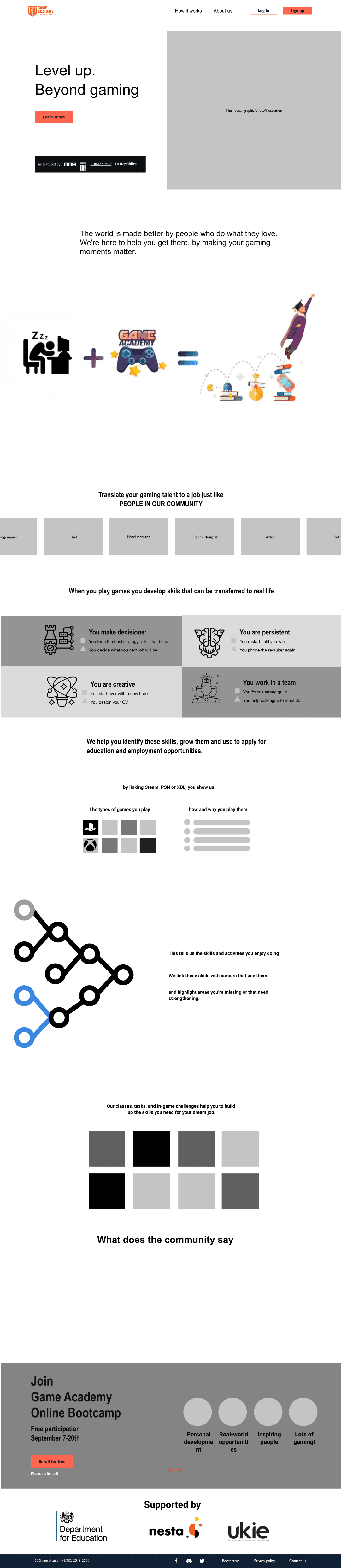
- The landing page and the platform share common brandbook guidelines (colors, headsets, mood), but each has its own personality;

- The platform is adapted to the brand to be more serious and non-distracting, while the landing is designed to resonate with an audience of gamers;

- The UX for the landing page is handed over to the agency's designer to create a landing page that is logical for the brand book he has created;

- I then adapt the design (and create a mobile version) to the existing platform style and convert it into a format that can be easily transferred to development.


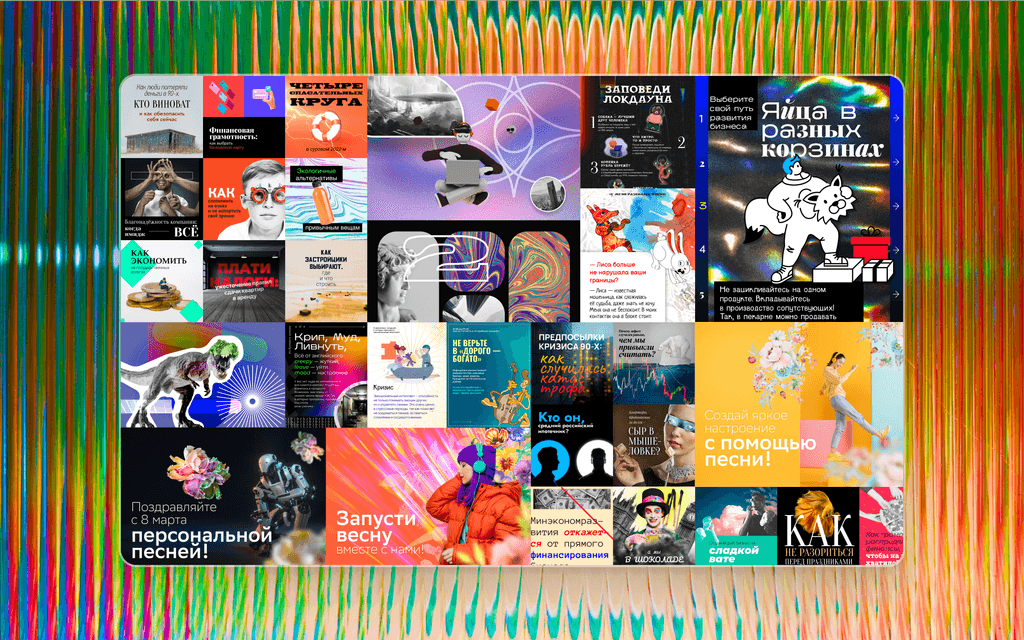
Well, it was not an obvious scheme, but I managed to cover the interests of all parties and get the desired result. I also created visual materials for SMM and the Game Academy courses themselves.


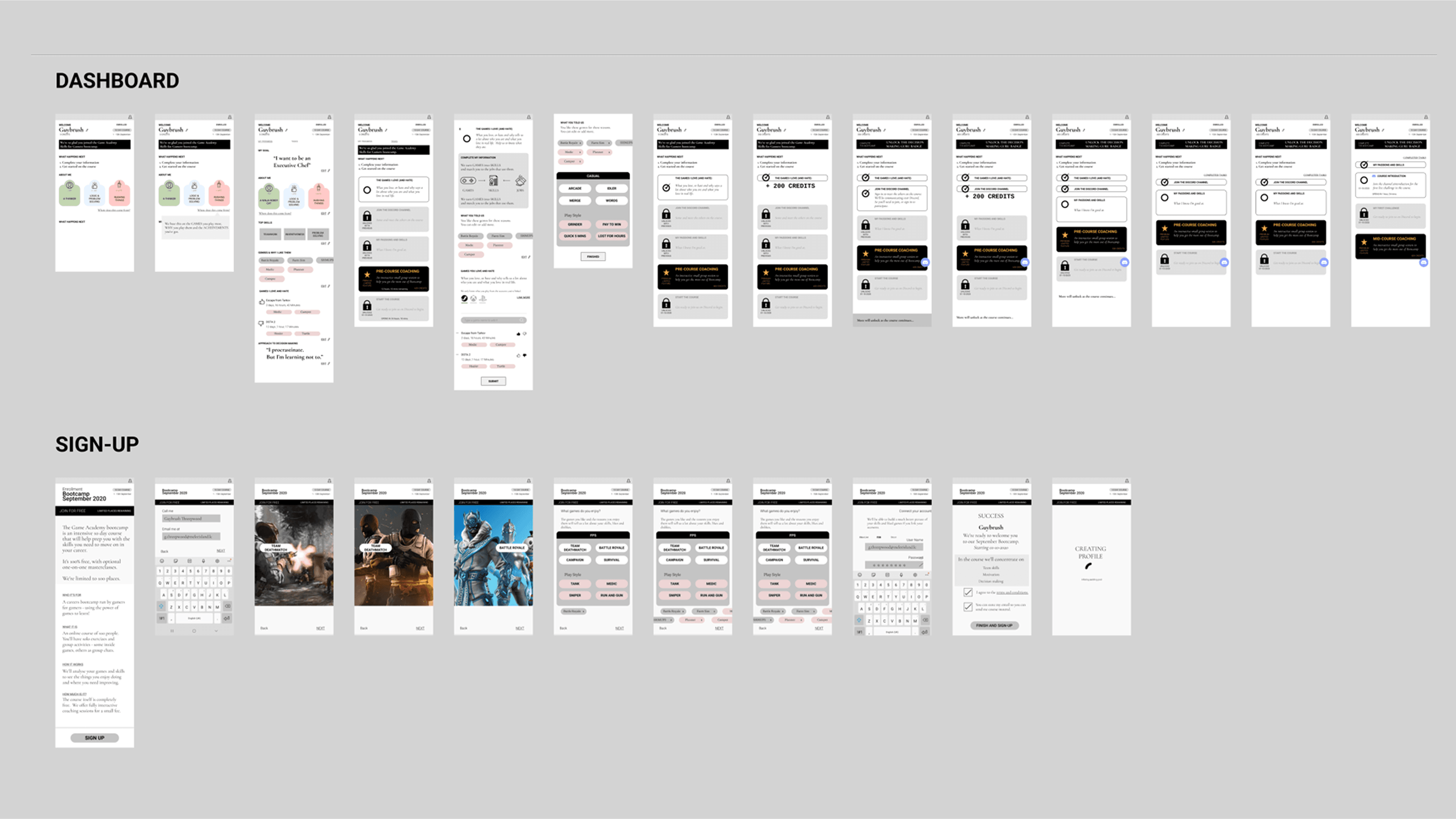
Below is my favorite part of comparing the draft and final versions.

For mobile there was also a separate version.